
Heat Pump Repair in Kentucky
Electricity costs homes less in Kentucky than in 38 of the other 49 states.
Tell us about the job
Takes about a minute. No obligation.
- 27°Fwinter overnight low where people live
- 7 monthsof heat, October through April
- 86°Fsummer afternoon high where people live
- 5 monthsof cooling, May through September
Kentucky splits the load fairly evenly heat October through April, cooling through summer
- Western counties need about 24% more cooling than eastern ones
- Winter nights average 27°F where people live
- Summer afternoons average 86°F where people live
- Heat runs October through April
- Cooling runs May through September
- 1,604 winter storms from 2015 to 2024


- Repair gets the reversing valve working again so the system can actually switch between heat and air conditioning
- A frosted outdoor coil that won't defrost gets that cycle restored so it can pull heat from the air again
- Leaks get sealed, not just topped off, since added refrigerant leaks right back out
- You stop relying on backup electric strips to do the heat pump's job
- Strange noises from the compressor or fan get traced to the part causing them and fixed

Half the homes in Kentucky were built in 1982 or later, and half in 1982 or earlier. A heat pump that old has likely been swapped out at least once. What matters more than the age of the house is the age of the system actually running now. If yours came with the home, check the nameplate for the install date before you assume anything about its condition.
Most of the housing stock here, 70.4 percent, is detached or attached single-family, the kind of house a heat pump repair crew sees every day. That's an ordinary mix, not a reason to expect anything unusual once someone gets the panels off and starts checking the charge and the valve.
Why early fall is when heat pump problems show up
October is when it starts in Kentucky, and the first cold stretch is when a heat pump that was already struggling shows it. The system has to switch over from cooling to heat after sitting idle for months, and a reversing valve or defrost control that was marginal in the spring often won't make that switch cleanly. A unit that limped through last winter on its backup strips is likely to do the same thing again unless whatever caused that gets fixed now, and it won't wait for a mild stretch to show up again.
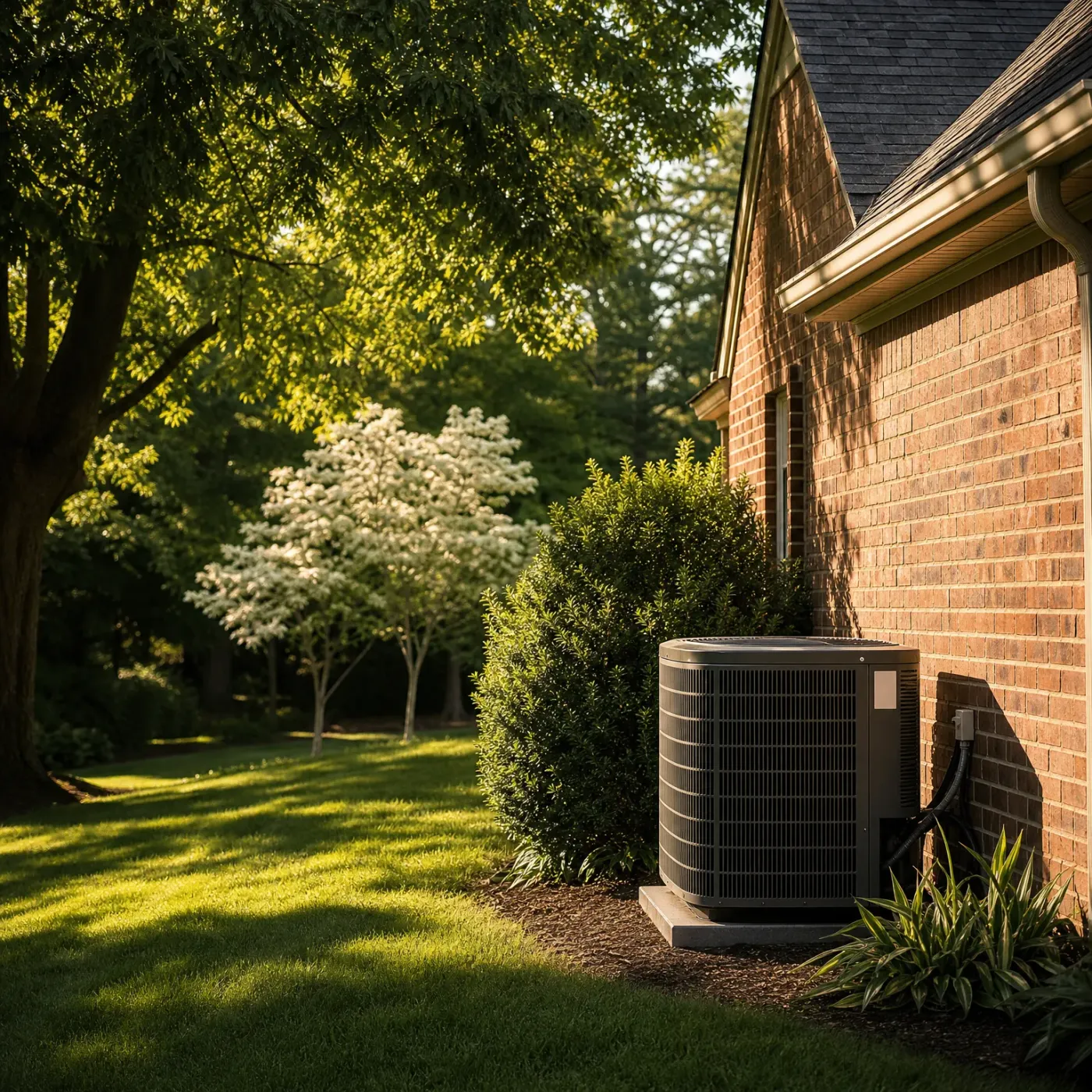
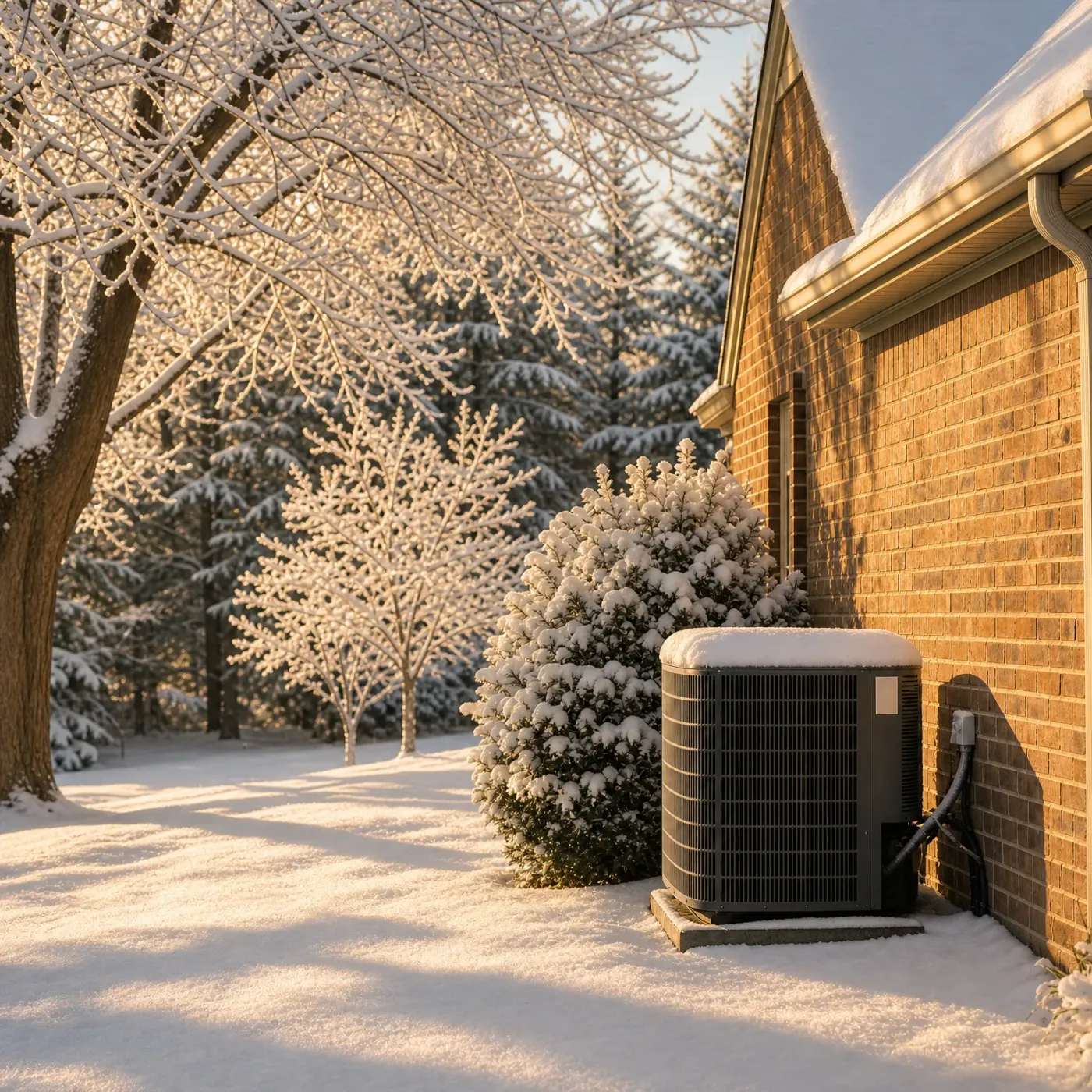
5 months of cooling, May through September
7 months of heat, October through April
What does a heat pump in Kentucky face?
How hot do summer afternoons get?
86°Faverage afternoon high where people live
Alaska66°F
Arizona101°F
How cold do winter nights get?
27°Faverage overnight low where people live
North Dakota4°F
Hawaii65°F
How many months does the heat run?
7 monthsof heating a year
Hawaii0 months
Alaska12 months
What does electricity cost?
12.79¢per kWh (kilowatt hours, the unit on an electric bill), what homes paid in 2024
North Dakota11.51¢
Hawaii42.86¢
How often do storms hit?
147severe weather events per county from 2015 to 2024
Alaska5
Wyoming1,057
How many homes lost power for a day or more?
24%of homes in 2024
Arizona7%
Maine54%
What a failing heat pump sounds and feels like
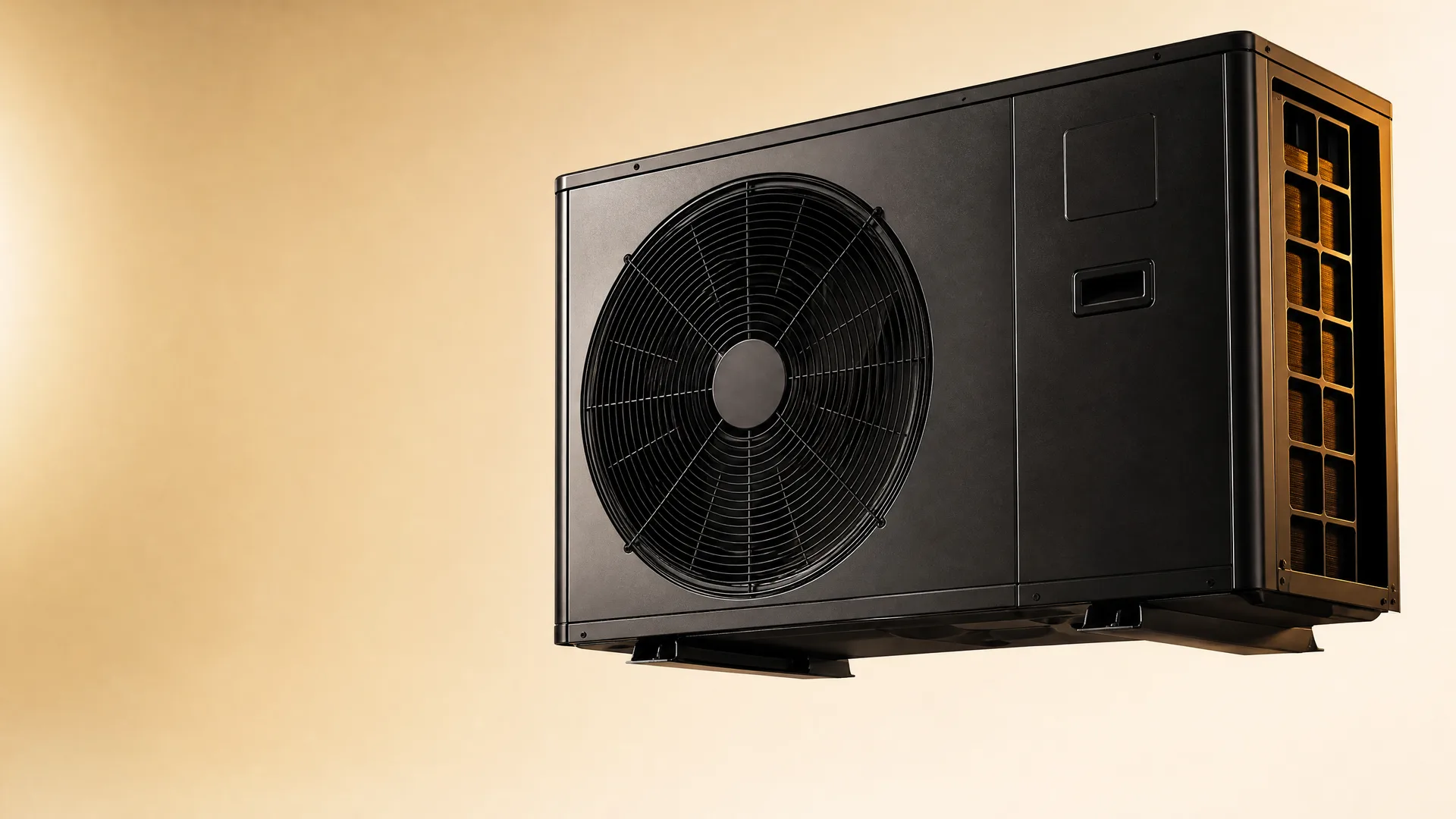
A heat pump that's struggling makes itself known in a few ways. Air coming out of the vents that's barely warm, or just blowing without any real heat behind it, points to a problem with the compressor or the reversing valve rather than the blower itself. Short cycling, where the system kicks on and off every few minutes instead of running a full cycle, wears on the compressor and usually means the refrigerant charge is off or a sensor is giving it bad information. Ice building up on the outdoor unit and staying there is another one. Some frost in cold weather is normal, but if it's not melting off during the defrost cycle, something in that cycle isn't working. Listen for anything new too. A grinding or squealing from the outdoor unit usually means a motor bearing or fan is on its way out. A hissing sound can mean refrigerant escaping somewhere it shouldn't. And if the system leans hard on backup heat, running warm but never quite catching up to the thermostat setting, that's the heat pump telling you it isn't pulling its share of the load anymore.
Repair or replace, what actually decides it
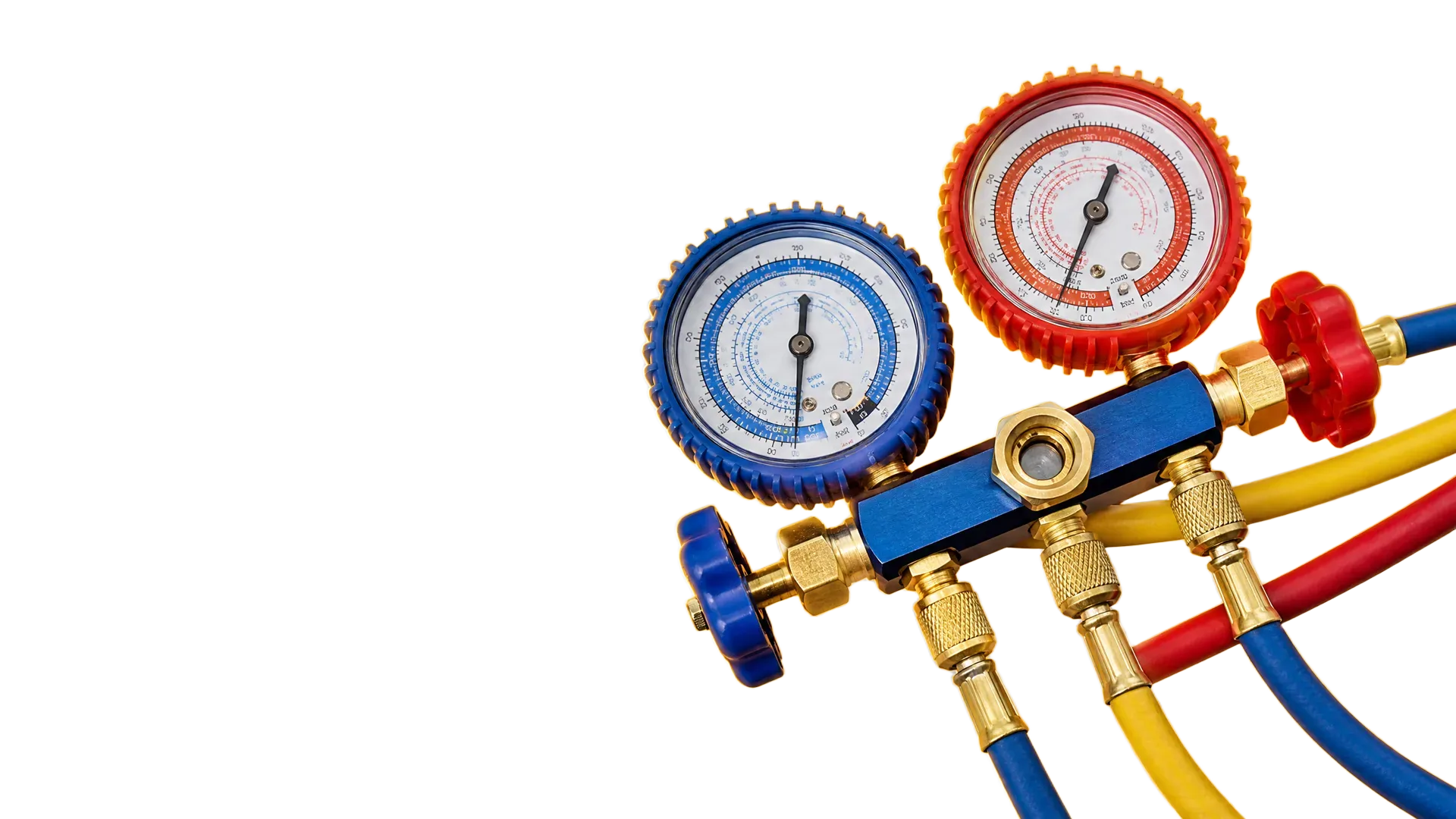
Whether a heat pump is worth fixing usually comes down to what broke and what else is starting to go with it. A failed capacitor, a bad contactor, a control board, these are contained problems. A tech swaps the part and the system goes back to running the way it did before. The compressor is different. It sits at the center of the refrigerant cycle, and it rarely fails on its own. A compressor that's been working against a dirty coil or a low charge for a long time wears out faster, and those problems are usually still there when it finally quits. Replacing a compressor by itself only makes sense if the rest of the system is sound. Refrigerant leaks tell their own story too. One leak, found and sealed, is a repair. A system that's needed refrigerant added more than once means the leak was never actually fixed. Age matters, but not on its own. What matters more is whether what's failing now is normal wear or whether something upstream, a mismatched system, a coil that's stayed dirty, is pushing parts to fail before their time. A tech who's run the diagnostics can usually tell you which kind of problem is sitting in front of them.
What the weather here actually does to a heat pump
Kentucky sees its share of severe weather, but once you look at where people actually live, it ranks lower than most other states for it. Wind is the main event here, and the strongest gust measured 89 mph, enough to knock out power or rattle an outdoor unit, but not out of line with what the rest of the country sees. Hail and tornadoes show up too, and Jefferson County has the heaviest storm record in the state, but none of that points to anything specific about why a heat pump in front of you has stopped working right. A bigger share of households here lost power for a day or more in 2024 than in most other states, and that matters because a heat pump that loses power mid-cycle can come back confused, stuck in a defrost loop or leaning on backup strips until someone resets it. That's a different problem than storm damage to the unit itself. If yours hasn't run right since the weather, start by checking whether it reset clean.
Cooling needs vary a lot across Kentucky, and that changes what's likely worn out on yours.
Tell us about the job
Takes about a minute. No obligation.
Fill out the form once and a licensed Kentucky heat pump contractor calls to schedule a look.