
AC Installation in Kentucky
Homes in Kentucky run cooling for more months of the year than in 34 of the other 49 states.
Tell us about the job
Takes about a minute. No obligation.
- 86°Fsummer afternoon high where people live
- 5 monthsof cooling, May through September
- 12.79¢ per kWhwhat homes paid for power in 2024 (kWh means kilowatt hours, the unit on an electric bill)
- 1,272hail events from 2015 to 2024
Electricity here costs less than most so efficiency upgrades pay back slower
- Western counties need about 24% more cooling than eastern ones
- Summer afternoons average 86°F where people live
- Cooling runs May through September
- 1,272 hail events from 2015 to 2024
- 7,314 damaging wind events from 2015 to 2024
- 24% of homes lost power a day or more in 2024


Housing here is ordinary, and so is the system it needs
Half the homes in Kentucky were built in 1982 or earlier, half in 1982 or later, and most of the state is single-family houses, not condos or multi-unit buildings. That's an ordinary mix for an AC installer to work with. A standard-size system sized to the house fits fine here. Mobile homes make up about one in ten homes in the state, and that's worth knowing going in, since sizing and ductwork for a mobile home differs from a site-built house. Outside of that, nothing about housing here calls for upsizing or a higher-tier system than you'd put in anywhere else.

More than half of homes in Kentucky heat with electricity, and another 35.2% use utility gas. Bottled, tank or LP gas and fuel oil or kerosene cover the rest, and neither reaches far past the homes that already have the tank or the line for it. If your furnace runs on gas, a new AC system pairs with it and nothing about the fuel setup changes. If your heat is electric, you're likely looking at a heat pump or straight AC paired with electric resistance backup, which is the common setup here already.
Electric heat being the norm here means a lot of homes already have electrical service sized for that load, not just a window unit or two. A contractor sizing a new AC system checks the panel and the circuit regardless, but it's one less unknown going in. Gas furnace homes get the same check on the gas line and venting, since the AC side ties into whatever ductwork and air handler that furnace already uses.
Five months of cooling means timing the install matters
Cooling runs May through September here, about five months, more of the year than in 34 other states. That's the stretch a new system has to hold up through. Put it in before May and the install happens on your schedule, with time to sort out anything that needs adjusting before the first warm week. Wait until the old system quits mid-summer and you're working around whatever a contractor can fit in, not the other way around.
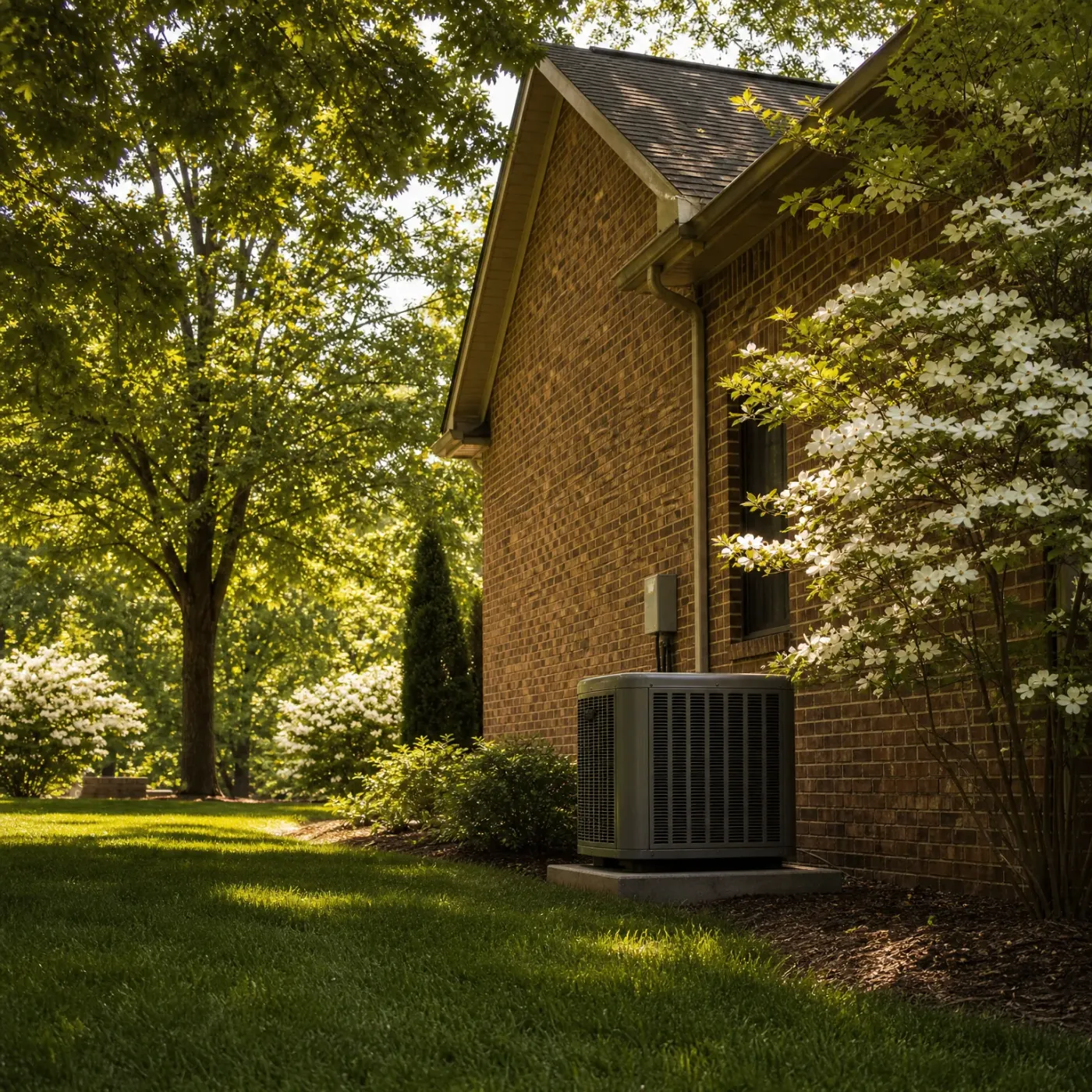
5 months of cooling, May through September
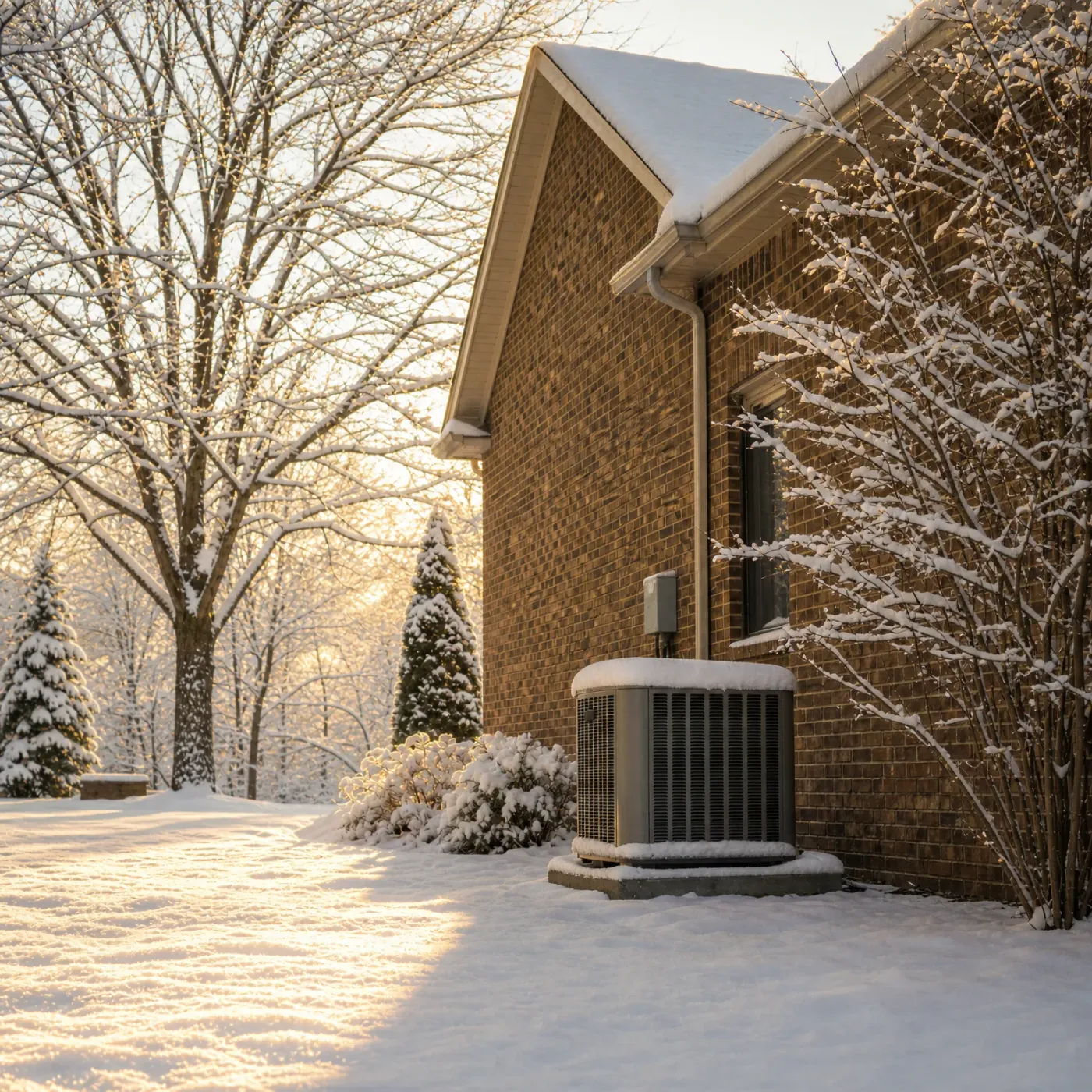
7 months of heat, October through April
Kentucky's cooling load splits east to west. Homes in the western counties need about 24% more cooling over a year than homes in the east, and that gap is worth knowing before a system goes in.
Fulton County, out west, needs about twice the cooling that Harlan County does over a year, the lowest cooling need anywhere in the state. Warren County runs the hottest summer afternoons, averaging 88°F through June, July and August. Harlan stays mildest at 81°F.
That same split shows up in how long cooling has to run. Jefferson County homes run cooling about 5 months a year, the longest stretch in the state. Harlan County homes run it about 3, the shortest. A system in Jefferson is working two more months a year than one in Harlan.
Statewide, homes average five months of cooling, May through September, and summer afternoons average 86°F, both longer and hotter than in most of the country. But what a system actually has to handle comes down to which county it's going into, not the state average.
What does an AC in Kentucky face?
How hot do summer afternoons get?
86°Faverage afternoon high where people live
Alaska66°F
Arizona101°F
How many months does the cooling run?
5 monthsof cooling a year
Alaska0 months
Hawaii12 months
What does electricity cost?
12.79¢per kWh, what homes paid in 2024
North Dakota11.51¢
Hawaii42.86¢
How often do storms hit?
147severe weather events per county from 2015 to 2024
Alaska5
Wyoming1,057
How many homes lost power for a day or more?
24%of homes in 2024
Arizona7%
Maine54%
Five months of real heat, every year
An AC installed here runs May through September most years, and most of those afternoons sit near 86°F. That's more months of work than 34 other states ask of their systems. A unit sized right for the square footage it's cooling will hold up through that stretch. One sized wrong runs longer than it should every single day of those five months, and the strain shows up early, in a capacitor or a compressor that wears out ahead of schedule. Sizing a system for this load takes a proper calculation of the house, not a guess based on the one it's replacing.
What actually drives the cost of an install
A few things push the price of an install up or down before a contractor ever picks a unit. Ductwork condition is one. If the ducts already in place are sealed well and sized right for the new system, the install goes faster and cheaper. If they're leaky, crushed, or too small for the tonnage going in, that gets fixed first, and that work costs more than the unit swap itself. The condenser's placement matters too. A straightforward spot near the house with clear electrical access costs less to work with than one needing a new line run or a pad poured. Removal and disposal of the old system adds to the job, especially if it's a heavier or older unit that takes more time to pull. And the system itself varies in price by tonnage and efficiency tier, a bigger house needs more capacity, and a higher SEER2 (seasonal energy efficiency ratio under the 2023 test, an AC's cooling efficiency over a season) rating costs more upfront, whether or not that premium makes sense for the climate it's going into. None of this is guesswork. A contractor walks the ductwork, checks the electrical panel, and does a load calculation on the house before quoting, because every one of those findings changes what the job actually takes.
Storms here don't change how a system gets installed
Kentucky sees less severe weather than most states, ranking below 39 others in events recorded over the past decade. Wind is the main event when storms do roll through, more common here than hail or tornadoes. A condenser gets set on a pad with normal clearance and wired the way any outdoor unit is, and that holds up fine against what typically comes through. None of that changes what goes into an AC install. The one number worth knowing is power outages. A larger share of Kentucky households went a day or more without power in 2024 than in most other states. That's a reason to ask about surge protection for the new system, not a reason to size it differently.
Electric heat already dominates here, so an AC pairs with what your home is likely already set up for.
Tell us about the job
Takes about a minute. No obligation.
Fill out the form once and contractors licensed in Kentucky get back to you with what the job actually takes.