







Overhead view of an outdoor AC condenser unit on a concrete pad next to a house with a dark shingle roof.

AC Installation in Danville, KY

Tell us about the job

Takes about a minute. No obligation.

New system or replacementCentral ACBoyle County, KY
Step 1 of 2

What ZIP code is the job in?

Most homes in Boyle County heat with electricity, at 58.4 percent. Utility gas comes in second at 35.6 percent, and only 2.4 percent use bottled or LP gas. If your home already heats with electricity, that usually means a heat pump or electric furnace is already in place, and an AC installation can often tie into the same ductwork and electrical setup without major changes. If you're one of the gas-heated homes, the AC side still runs on its own electrical circuit, so the furnace fuel doesn't change what the cooling installation involves. Either way, the contractor sizing your new system needs to know what's already running the heat side of your home.

4 months
June through September, your air conditioner is on duty
85°F
the average summer afternoon it cools against
9 hail events
in ten years, and hail bends the fins on outdoor coils
13.4 SEER2
the federal minimum any new unit must meet
Isometric line illustration of a cutaway house showing an indoor air handler with branching ducts in the attic space, connected by a line set to an outdoor condenser unit beside the building, with simple furniture in two rooms.
Your air conditioner works hardest from June through August.

NOAA nClimDiv, 1991–2020 normals

Kentucky electricity runs 12.79 cents per kilowatt-hour, below the national average.

A high-SEER2 system in Danville takes longer to pay for itself in power savings, so pick the AC that fits your ductwork and your home instead of chasing the highest efficiency number.

An 85-degree afternoon here calls for a standard system, not an oversized one

Half the homes here were built by 1978
Cooling runs June through September
Summer afternoons average 85°F
A standard AC fits DanvilleNothing about Boyle County summers pushes a system past standard size or efficiency.

With power this cheap, the SEER2 number on the label matters less than whether the system matches your ductwork. A contractor sizing your AC should be asking about duct size and airflow first, not steering you toward the highest efficiency rating on the lot. That higher-rated unit costs more up front, and at 12.79 cents a kilowatt-hour it takes longer to earn that cost back. Spend on a system that fits what your ducts can move. That's what decides how well it cools your house, not the rating on the box.

A standard AC is the right call for your Danville home

Four months of cooling a year, with afternoons around 85, is well within what a standard AC handles in Danville. There's no summer heat load here that calls for upsizing. A correctly sized system is the one to install.

Find a contractor
A man in a cap, dark t-shirt and tan work pants walks up concrete steps toward a dark green front door, carrying a waxed canvas tool bag, with a potted shrub beside the entry.
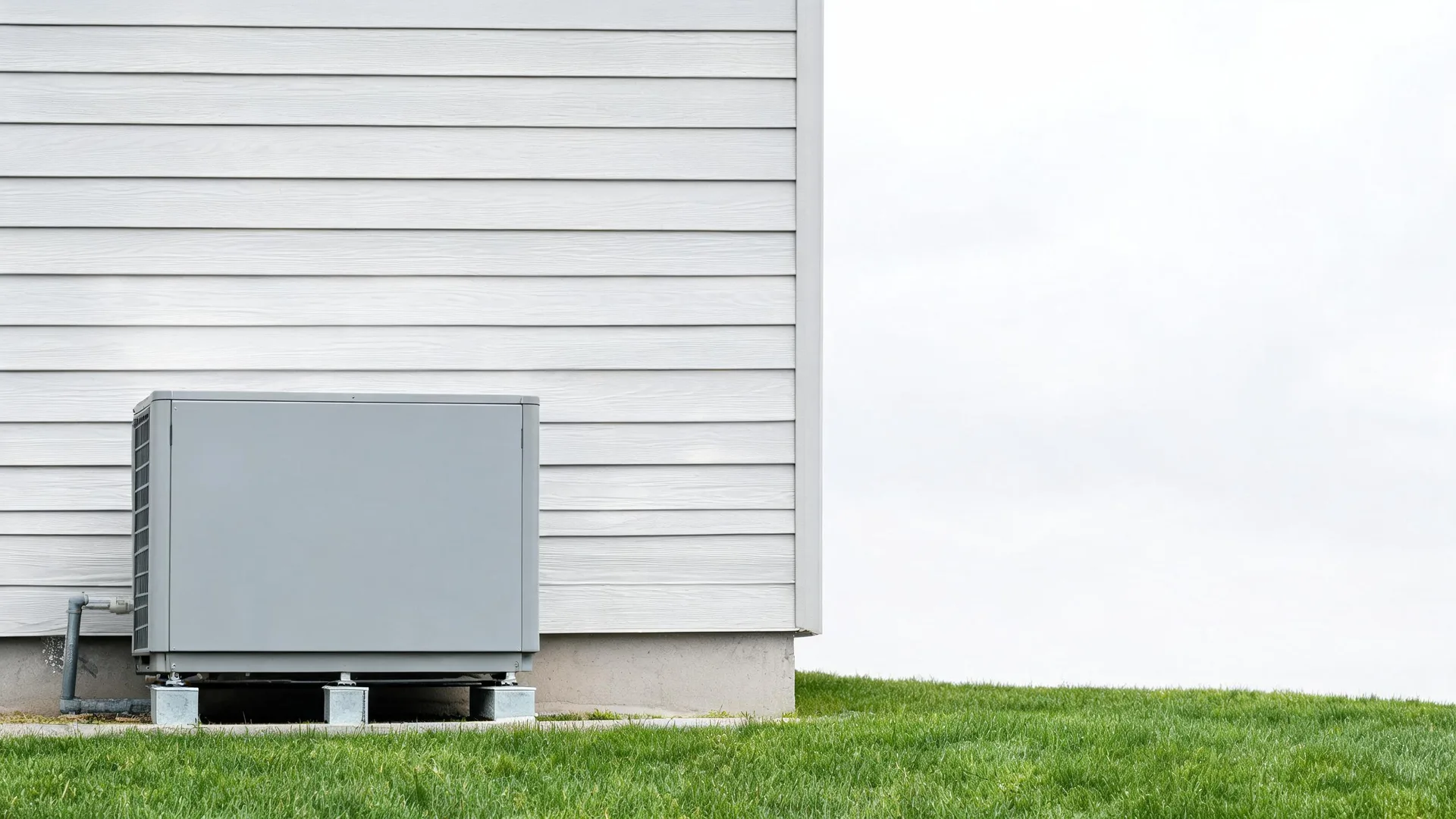
A gray cylindrical air conditioning condenser unit mounted on a concrete pad next to a light-colored vinyl-sided house exterior.

Install before June, not during it

Cooling in Danville runs June through September, about four months. May is the month to get a new system in, before that first run starts. A contractor working in May can take the time to size the system right and check the install before the heat is actually on it. Wait until June and the same job gets done with the house already warm and the pressure on to get it running fast.

The ductwork decides more than the unit

If your existing ducts are too small or leaky for the new system's airflow, a contractor has to fix or modify them before the AC can do its job. That work costs more than the unit swap itself in some homes and less in others, depending on what's already there. A system matched to ductwork that can't move enough air will never cool the way it's rated to.

Where the air handler and lines run matters

Setting the outdoor unit, running the refrigerant line to the indoor coil, and tying into the electrical panel all take longer when the path is tight or the equipment has to go somewhere new. A straight swap in the same spot as the old system is the simplest version of this job. Moving the unit, adding a line set, or upgrading the electrical to handle the new system all add steps before cooling even starts.

An overhead view of a residential air conditioning condenser unit mounted on a concrete pad next to a house with vinyl siding.

Going above the federal minimum saves little here, about $10 a year.

  • A higher-efficiency unit$220 a year
  • A new unit at the federal minimum, 14.3 SEER2$230 a year

Estimates for a typical Boyle County home, from EIA household energy data, Kentucky fuel prices and NOAA climate normals. Your home will differ.

Installation day starts with the old equipment coming out, the indoor coil, the outdoor unit, and the line set if it's not being reused. The contractor checks the electrical before anything new goes in, since a new system can draw differently than the one it's replacing. Setting the outdoor unit means leveling a pad, mounting the coil, then running and brazing the refrigerant lines between them. That line set gets pressure tested for leaks before it's charged, not after. Once it's charged to the manufacturer's spec, the system gets run through a cycle so the contractor can check airflow at the vents and confirm the thermostat is actually calling for cooling correctly. The unit isn't left running until all of that checks out.