
Mini Split Installation in Kentucky
Homes in Kentucky run cooling for more months of the year than in 34 of the other 49 states.
Tell us about the job
Takes about a minute. No obligation.
- 86°Fsummer afternoon high where people live
- 5 monthsof cooling, May through September
- 27°Fwinter overnight low where people live
- 7 monthsof heat, October through April
Power outages hit harder here a mini split needs no special fix
- Western counties need about 24% more cooling than eastern ones
- Summer afternoons average 86°F where people live
- Winter nights average 27°F where people live
- Cooling runs May through September
- 7,314 damaging wind events from 2015 to 2024
- 24% of homes lost power a day or more in 2024


Half of Kentucky's homes were built in 1982 or earlier

More than half the homes in Kentucky heat with electricity, and gas reaches about a third. A mini split fits into either setup since it runs on electricity and doesn't tie into a gas line at all. In a home that already heats with electric baseboards or an electric furnace, a mini split takes over that job and moves heat instead of generating it.
Gas still heats a good share of homes here, and in those houses a mini split takes on a narrower job. It can cover a room or a zone the furnace doesn't reach well, or it can handle cooling where there's no ductwork for central air. Either way it runs on its own circuit, separate from the gas system, so adding one doesn't change how the furnace works or what fuel it uses.
Install before May, not after
Cooling runs May through September here, about five months, longer than it does in most states. That's a long stretch to be stuck with a system that's low on refrigerant or short-cycling on the first hot day. Get a mini split installed before May and it's already running clean when that first warm week hits. Wait until the heat has settled in and the install happens on whatever schedule a contractor has left, not the one that works for you.
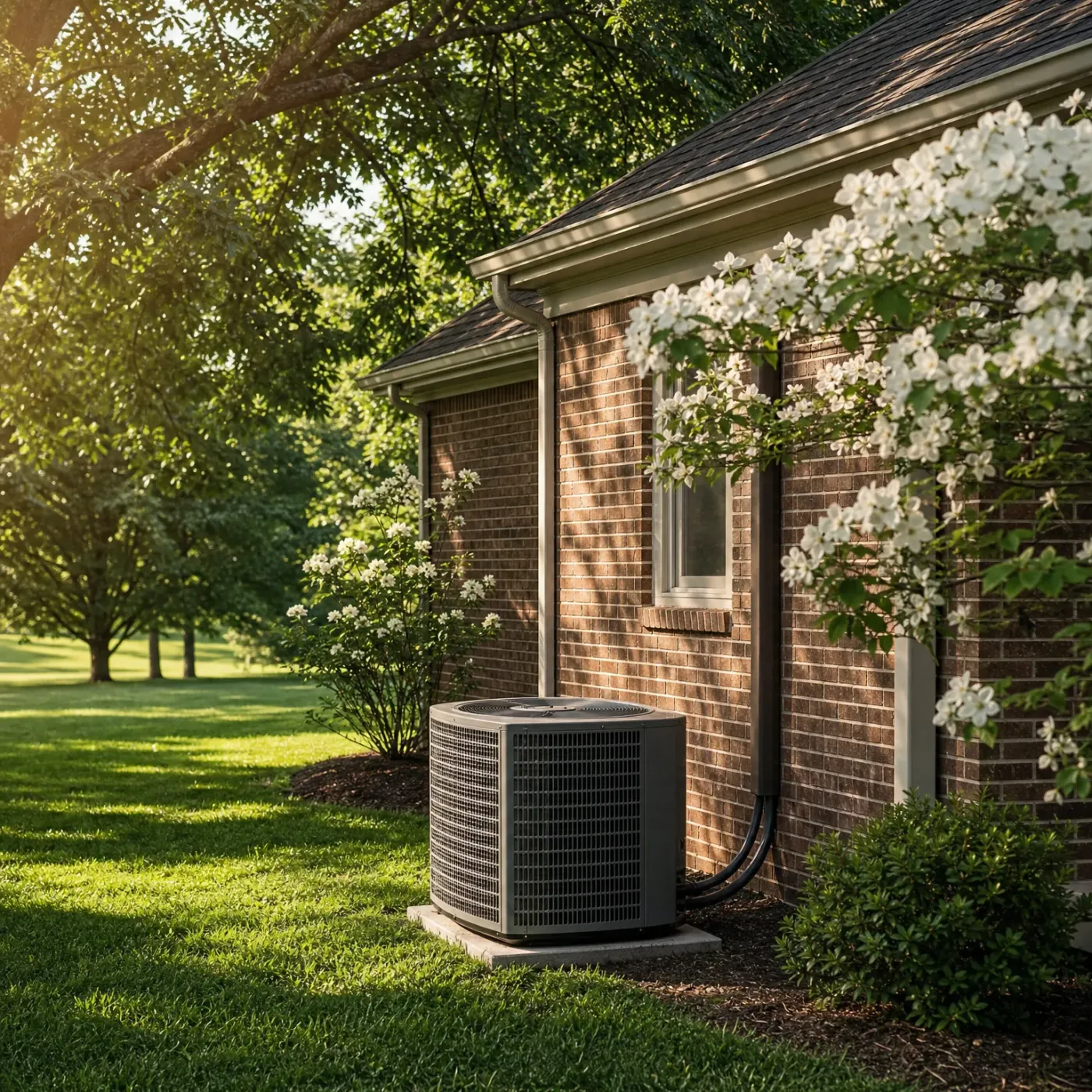
5 months of cooling, May through September
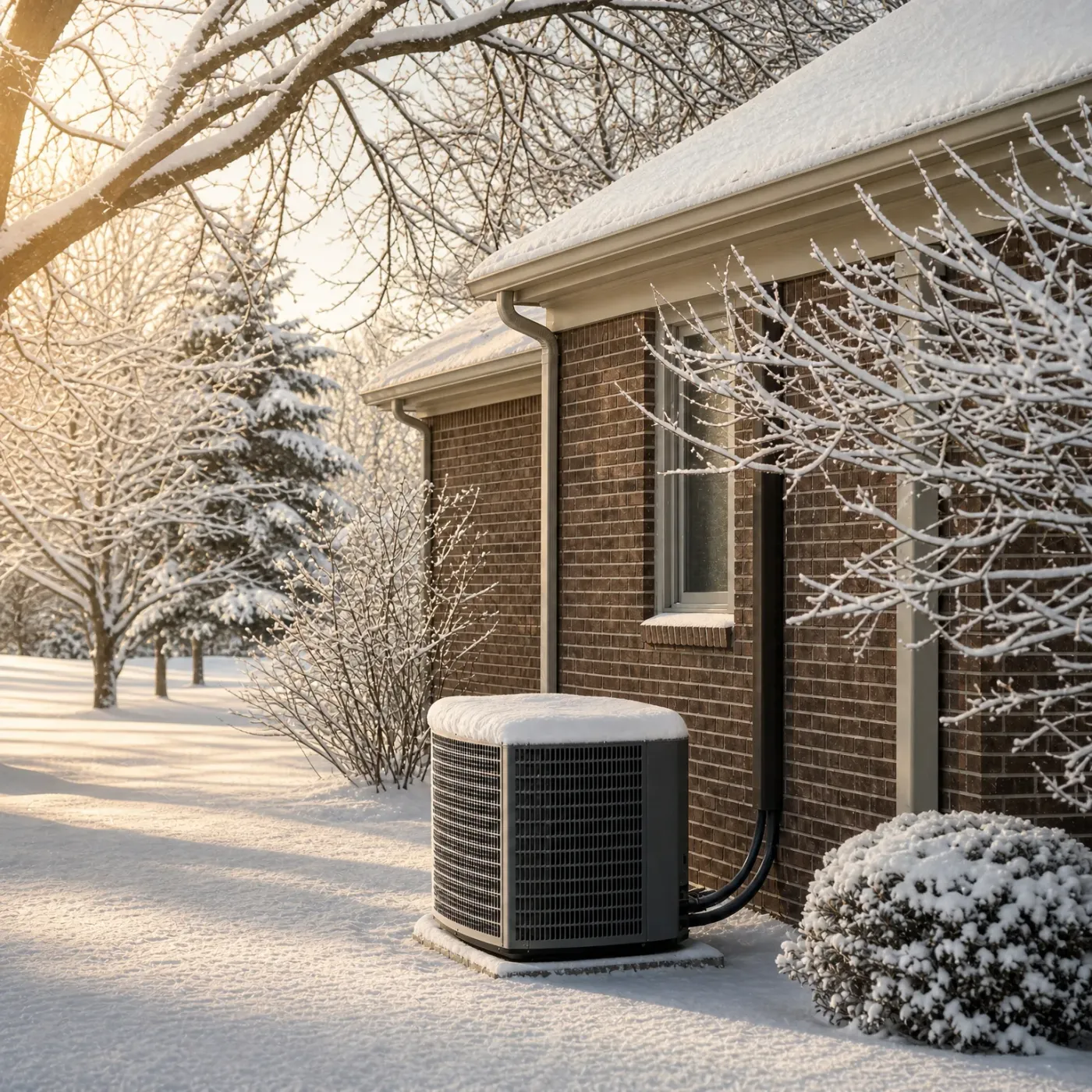
7 months of heat, October through April
Kentucky's cooling need splits east to west. Homes across the western counties need about 24% more cooling over a year than homes across the eastern counties. A mini split sized for one side of the state is not necessarily right for the other.
The widest gap sits between two counties. Fulton County needs about twice the cooling, over a year, that Harlan County does, and Harlan is the lowest in the state. A system that idles most of the summer in Harlan County would be working hard in Fulton County.
Summer afternoons follow the same pattern. Warren County averages 88°F through June, July and August, the hottest in the state. Harlan County averages 81°F, the mildest. Statewide the average is 86°F, so a home in Warren County is working against heat well above what most of the state sees.
How long a mini split runs cooling each year also depends on where the home sits. In Jefferson County it runs about 5 months, May through September, the longest stretch in the state. In Harlan County it's about 3 months. Both counties are in the same state, but one asks a lot more of the system than the other.
Set against the rest of the country, Kentucky runs on the warmer, longer side. Its summer afternoons are hotter than in 32 of the other 49 states, and homes here run cooling for more months of the year than in 34 of them. Where a mini split sits in Kentucky decides just how much summer work it will see.
What does a mini split in Kentucky face?
How hot do summer afternoons get?
86°Faverage afternoon high where people live
Alaska66°F
Arizona101°F
How cold do winter nights get?
27°Faverage overnight low where people live
North Dakota4°F
Hawaii65°F
How many months does the cooling run?
5 monthsof cooling a year
Alaska0 months
Hawaii12 months
What does electricity cost?
12.79¢per kWh (kilowatt hours, the unit on an electric bill), what homes paid in 2024
North Dakota11.51¢
Hawaii42.86¢
How often do storms hit?
147severe weather events per county from 2015 to 2024
Alaska5
Wyoming1,057
How many homes lost power for a day or more?
24%of homes in 2024
Arizona7%
Maine54%
Get it in before May, while there's time to do it right
Cooling runs May through September here, about five months, longer than in most states. A mini split put in before May is already running clean when the first hot week lands. Wait until the heat has already settled in and the install happens on whatever day a contractor has open, not the day that suits you. Spring also gives a contractor the time to size the system to the room and get the line set and mounting done right, instead of working fast because the house is already hot.
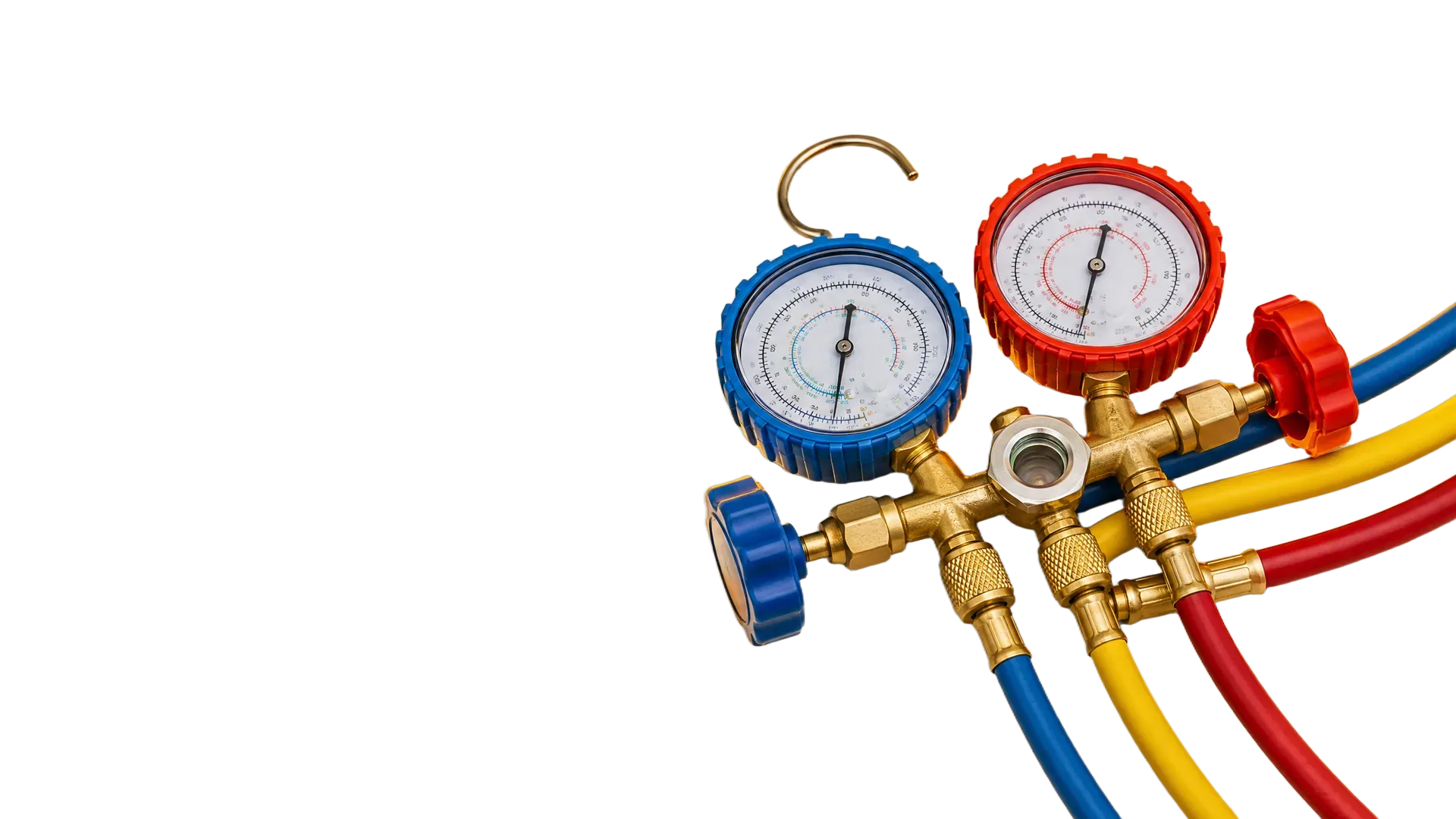
What the SEER2 number actually tells you
Every mini-split carries a SEER2 (seasonal energy efficiency ratio under the 2023 test, an AC's cooling efficiency over a season) number on its label, and it tells you how much cooling it gets out of the power it uses, not how much cooling power it has. A high SEER2 unit and a low one can both cool the same room just fine. The difference shows up on the electric bill and in how the system runs to get there. A high-efficiency unit tends to run longer at a lower output rather than blasting cold air and shutting off, which also holds the room at a steadier temperature. That rating is measured in a lab under set conditions, so it's a way to compare one unit against another, not a promise of what you'll see in your own house. Size still matters more than the rating. An oversized unit with a great SEER2 number will short-cycle, turning on and off too often, and that wears on the compressor faster than running at a steady load would. A contractor sizing the system to the room gets more out of that efficiency number than chasing the highest one on the shelf.
Cheap power changes the math
Electricity here runs 12.79 cents per kilowatt-hour, cheaper than in 38 other states. With power that cheap, a high SEER2 unit takes longer to earn back its higher price over a standard one. That doesn't make the rating pointless. It means the bigger question is whether the system is sized right and holds up through a Kentucky summer, not whether it carries the top number on the shelf. Reliability and fit carry more weight here than squeezing out another point of efficiency.
Most Kentucky homes heat with electricity, and a mini split can take over both that job and summer cooling.
Tell us about the job
Takes about a minute. No obligation.
Fill out the form and a licensed contractor sizes the system to your home before quoting it.