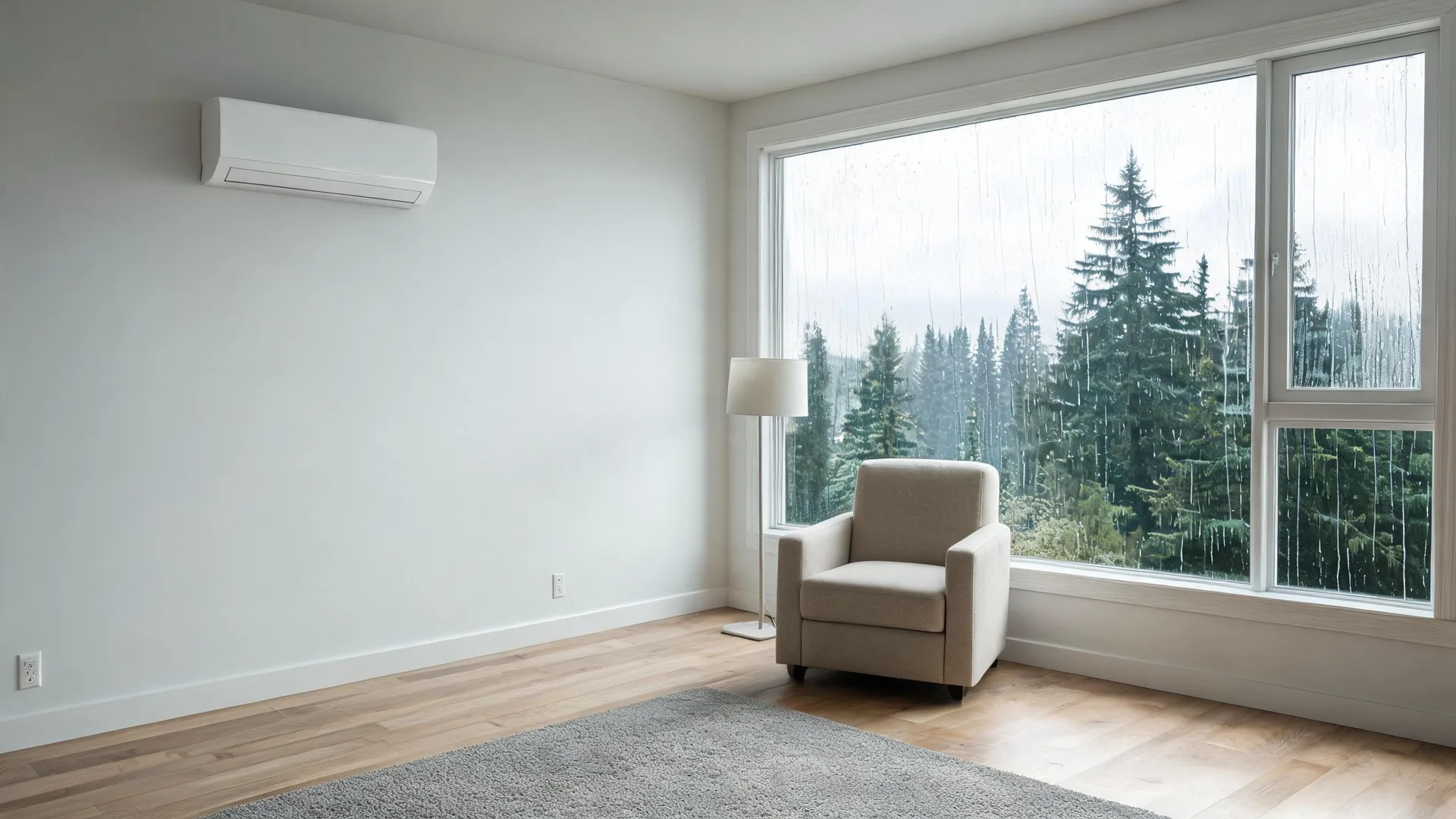
Most homes here run on electric heat
Electricity heats 67.5% of occupied homes in Grayson County. Gas, bottled or utility, accounts for the rest in much smaller shares. A mini split fits into an electric home without adding a second fuel to the mix.
Takes about a minute. No obligation.
Electricity heats 67.5% of occupied homes in Grayson County. Gas, bottled or utility, accounts for the rest in much smaller shares. A mini split fits into an electric home without adding a second fuel to the mix.
A mini split works alongside the electric setup already in most homes here rather than against it. There is no gas line to tie into or work around, which simplifies where the contractor can run the line set and place the outdoor unit.
NOAA nClimDiv, 1991–2020 normals
Pulling out an old system usually means disconnecting a line set, draining refrigerant, and capping what's left of the ductwork or wiring it fed.
A contractor handles the removal and disposal as part of the install, so the old equipment doesn't become a separate job for the homeowner.



Kentucky electricity runs 12.79 cents per kilowatt-hour, cheaper than much of the country. That changes the math on a mini split. The most efficient model on the market will cost less to run here than it would somewhere with a higher rate, but it will also take longer to earn back whatever extra it costs over a mid-efficiency unit. That doesn't make efficiency pointless. It means sizing and a clean install matter more than the number on the spec sheet, since a unit that short cycles or struggles to hold a room wastes money no matter how it's rated.
Cooling runs May through September in Grayson County. Getting the mini split installed in April means it's in and tested before the first hot day, not scheduled around one.
Find a contractor
Ask how a system is rated for low load, not just peak heat or peak cold. A mini split spends most of its life well below full output, holding a room steady rather than racing to catch up. What matters there is how far down the compressor can turn, not just how high it can go. Systems with the same top-end rating can behave very differently once they throttle back, and that is where this one will run most of the time. Ask too how the output changes as the temperature outside gets more extreme, since every system loses some capacity at the edges and a good spec sheet says how much.
An oversized unit cools the room fast, then shuts off before it pulls the moisture out of the air. That leaves the room cold and clammy instead of just comfortable. It also means the compressor is starting and stopping more than it should, which wears on it faster than running a steady cycle.
The work is a room by room load calculation, not a guess based on square footage. It accounts for window area, insulation, ceiling height, and which way the room faces, then adds up what each indoor head needs to carry. A room with a lot of west facing glass needs more than a similar sized room that gets no direct sun.
The efficiency rating on a mini split's label comes from a lab test, run under conditions your house will rarely match exactly. It tells you how the system performs at its best, not what it will average day to day. A unit with a strong rating that's oversized for the room still won't deliver what the label suggests, because it will shut off and restart instead of running a steady cycle. The rating is worth comparing between models sitting side by side. It isn't worth paying extra for if the sizing and install are going to undercut it anyway.
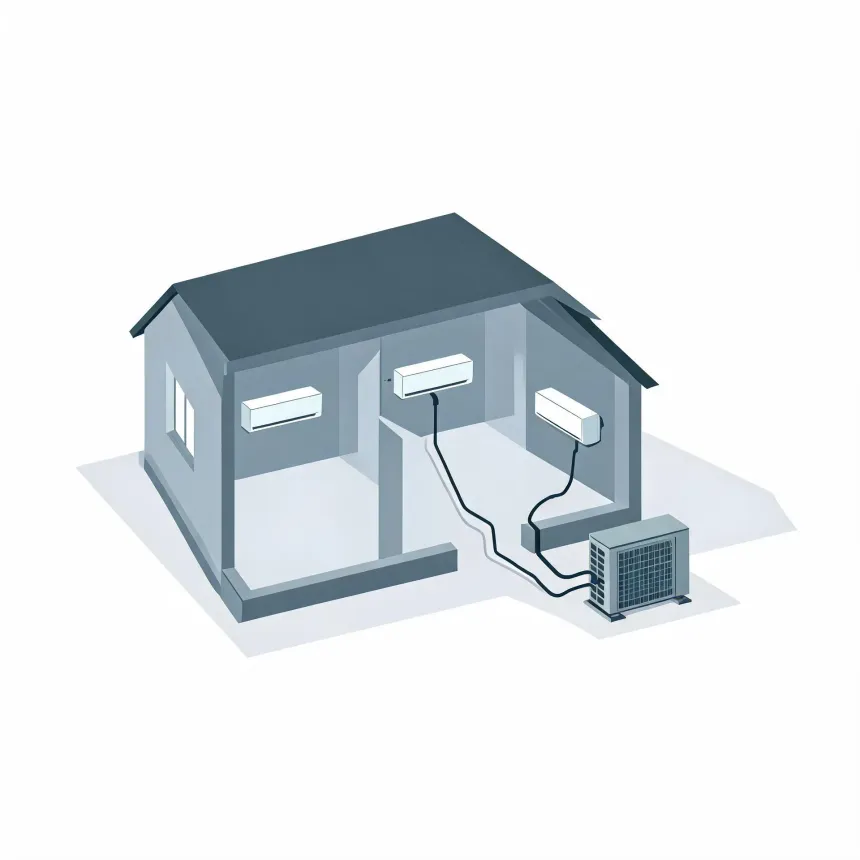
Installation starts with the outdoor unit and works backward. A contractor picks a spot with good airflow around it and a clear path for the line set to reach each indoor head, then mounts the indoor units on the wall or ceiling where they'll throw air across the room, not into a corner. The line set connecting them gets run through a small hole drilled in the wall, insulated along its length, then brazed and sealed at both ends. That connection gets pressure tested before any refrigerant goes in, since a joint that leaks slowly will show up later as a system that never quite keeps up. Once the system holds pressure, it gets charged, powered up, and run through each mode to check that every head is cooling or heating the way it should. A mini split doesn't need ductwork torn open or extended, so most of the day goes into running lines and mounting heads rather than fighting with what's already in the walls.