
AC Maintenance in Kentucky
Homes in Kentucky run cooling for more months of the year than in 34 of the other 49 states.
Tell us about the job
Takes about a minute. No obligation.
- 86°Fsummer afternoon high where people live
- 5 monthsof cooling, May through September
- 12.79¢ per kWhwhat homes paid for power in 2024 (kWh means kilowatt hours, the unit on an electric bill)
- 1,272hail events from 2015 to 2024
Summers here run a system hard. May through September, afternoons near 86°F.
- Western counties need about 24% more cooling than eastern ones
- Summer afternoons average 86°F where people live
- Cooling runs May through September
- 1,272 hail events from 2015 to 2024
- 7,314 damaging wind events from 2015 to 2024
- 24% of homes lost power a day or more in 2024


A quick visit usually means someone checks the refrigerant pressure, glances at the air filter, and listens to the unit run for a minute before writing up the invoice. A thorough one takes longer because there is more to actually measure. The tech should pull the capacitor and test it under load, not just eyeball it. A capacitor can read fine sitting still and still fail once the compressor draws on it. They should wash the condenser coil, not just brush the leaves off the top, because dirt packed between the fins blocks airflow in a way you cannot see from outside. And they should check the refrigerant charge against the actual temperature split between the air going into the return and the air coming out of the vent, not just glance at a gauge.
Ask what they did to the condensate drain line. A real tune-up includes flushing it, because algae and dirt build up inside that line year after year. A clogged drain is one of the most common reasons an AC shuts itself off or leaks into the house. Ask too whether they tightened the electrical connections at the disconnect box and the contactor. Loose connections create heat, and heat wears down wiring and components faster than normal use does. If the visit took only a few minutes and ended with a filter recommendation, that was a filter check, not a tune-up. A thorough one means the tech can tell you the specific numbers they found, not just that everything looked fine.
Get ahead of May
May starts the season here, and it starts hard. Have the system checked in April, before the first real heat. A capacitor that is already weak or a coil that is already dirty will fail faster once the unit runs daily instead of now and then. Five months is a long stretch to ask a strained system to hold up, and once May hits there is no slow ramp up to catch problems early.


5 months of cooling, May through September
7 months of heat, October through April
Kentucky doesn't ask the same amount of every system. Homes in the western counties need about 24% more cooling over a year than homes in the eastern counties, and that difference shows up in how hard the unit runs, not just how hot it feels on a given day.
Fulton County sits at one end of that range. Homes there need about twice the cooling that homes in Harlan County do, and Harlan has the lowest cooling need anywhere in the state. A system in Fulton is doing roughly double the work over a year that one in Harlan is.
Temperature tells a similar story. Warren County runs the hottest summer afternoons in the state. Harlan runs the mildest. A system in Warren is pulling heat out of the house on days Harlan's system barely notices.
Jefferson County runs its cooling the longest of anywhere in the state, and Harlan runs it the shortest. That gap in months is a gap in how much wear the system takes on before anyone thinks to call about it.
If your home is in Fulton, Warren, Jefferson or another county on the harder end of these numbers, get the system checked before the season settles in. If you're in Harlan or somewhere closer to it, the same visit still matters, just with less urgency behind it.
What does an AC in Kentucky face?
How hot do summer afternoons get?
86°Faverage afternoon high where people live
Alaska66°F
Arizona101°F
How many months does the cooling run?
5 monthsof cooling a year
Alaska0 months
Hawaii12 months
What does electricity cost?
12.79¢per kWh, what homes paid in 2024
North Dakota11.51¢
Hawaii42.86¢
How often do storms hit?
147severe weather events per county from 2015 to 2024
Alaska5
Wyoming1,057
How many homes lost power for a day or more?
24%of homes in 2024
Arizona7%
Maine54%
A system that doesn't get much rest
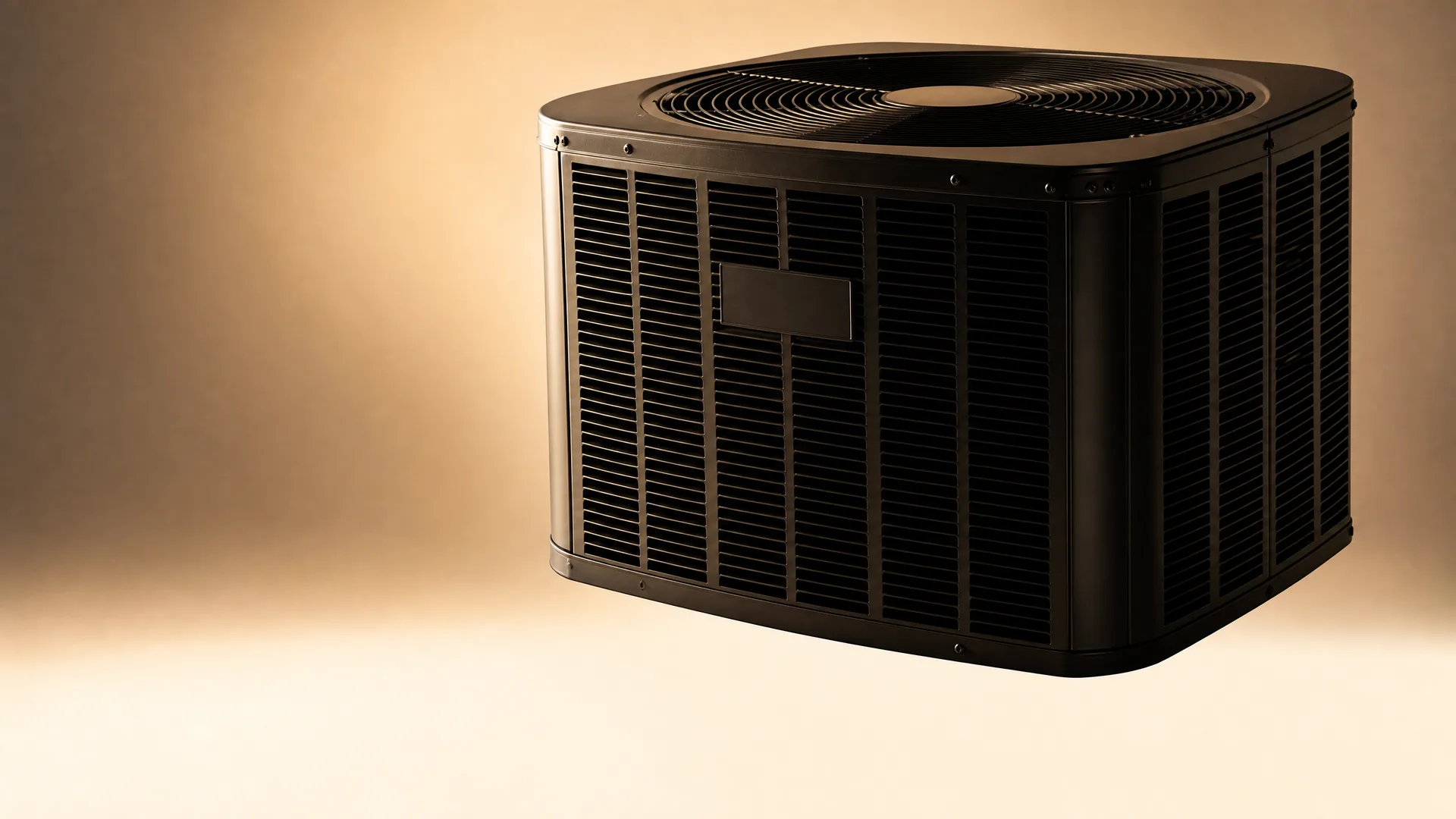
Five months of cooling is a long season to ask one machine to run without a break. Afternoons averaging 86°F through June, July and August mean the compressor spends most of its runtime at or near full load, not cycling on and off for a few minutes at a time. That steady load is what wears a capacitor down and what turns a dirty coil from a minor efficiency loss into a real problem. Kentucky asks more of a cooling system than most of the country does, both in how long it runs and how hard it works while it's running.
What a tune-up finds that you can't
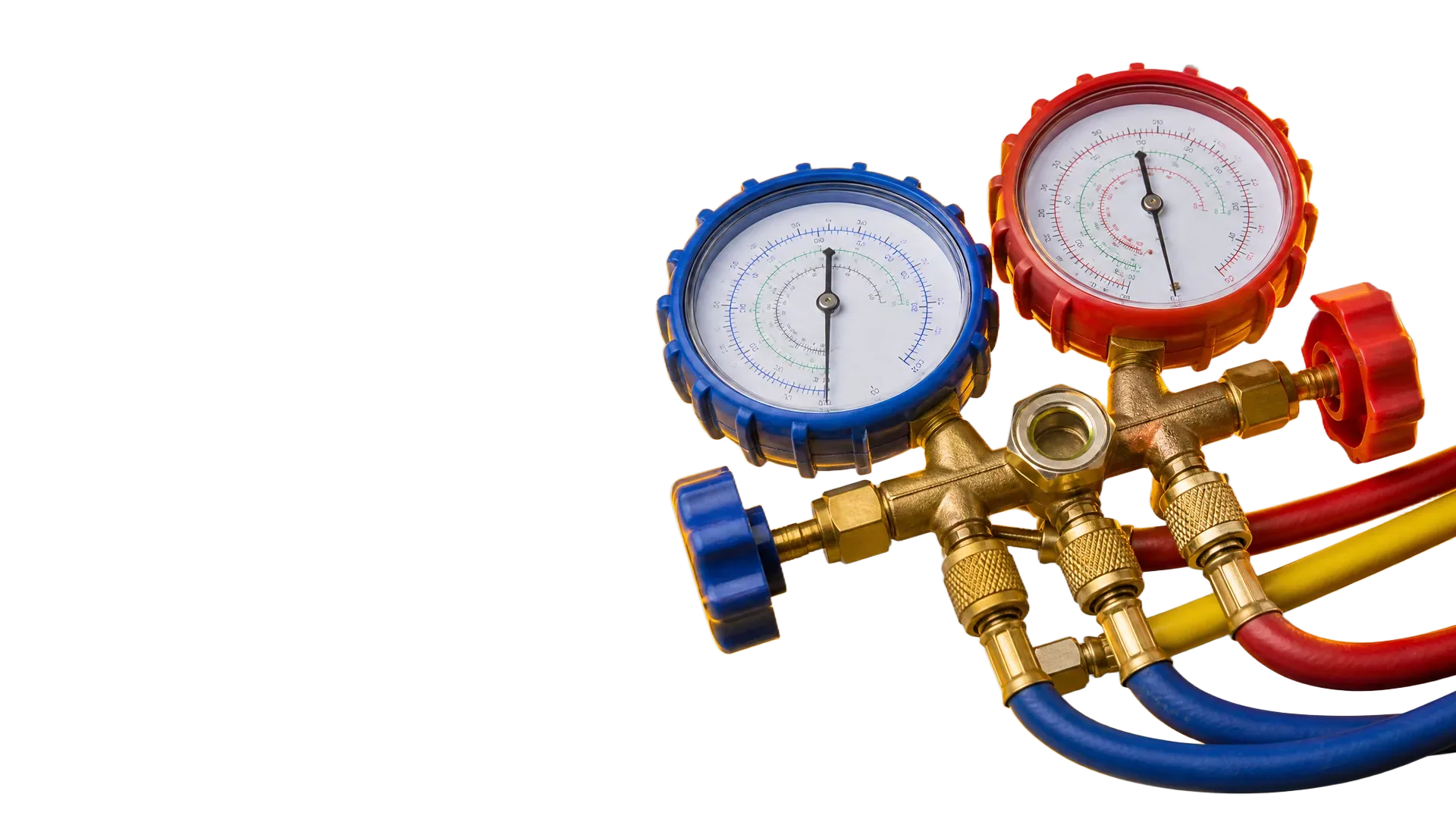
Most of what wears out in an air conditioner doesn't announce itself. The system keeps running right up until it doesn't, because the parts that are failing are still doing just enough to get by. A capacitor loses strength slowly, and a weak one can still start the compressor on a mild day and fail outright on a harder one. A coil caked with dirt still moves some air, just not enough, so the system runs longer to do the same job and nobody notices from outside. A drain line that's partly clogged still drains, until the day the water backs up into the pan instead. None of this shows up from looking at the unit or feeling the air out of a vent. It shows up in the numbers a tech actually checks. The strength of the capacitor under load. The temperature split across the coil. The amps pulled at the contactor. A tune-up is there to catch the part that's thinning out before it lets go, not to confirm that the unit is running today, because it will do that right up until the morning it doesn't.
What the unit won't tell you on its own
A system that still runs can already be in trouble, and that's the thing worth knowing. An AC losing its charge doesn't shut off, it just cools less, and the house feels a few degrees warmer than the thermostat says it should. Ice forming on the copper line at the outdoor unit is a sign of that, not a sign the system is working hard. A short cycle, where the unit kicks on, runs a few minutes, then shuts off before the house cools, usually means a control or a refrigerant problem, not just a thermostat acting up. A warm room that never quite reaches the set temperature, no matter how long the system runs, points to a coil losing its ability to pull heat out of the air. A hissing or bubbling sound near the lines can mean a refrigerant leak, and that's not a sound to wait out. None of these mean the unit is about to die. They mean something inside it is already working harder than it should to do the same job, and that gap is what a check is for.
Five months of Kentucky summer wears a system down, and a check now catches what's already going.
Tell us about the job
Takes about a minute. No obligation.
Fill out the form and a licensed contractor in your area will reach out to schedule the visit.