





Aerial view of a gray outdoor air conditioning condenser unit mounted on a concrete pad next to a house with vinyl siding.

AC Maintenance in Brandenburg, KY

Tell us about the job

Takes about a minute. No obligation.

Tune-up, service, or cleaningCentral ACMeade County, KY
Step 1 of 2

What ZIP code is the job in?

AC here runs from May through September. April is the month to get it checked, before it has to work at all. A technician can test the refrigerant charge and the capacitor while the system is idle, without guessing at a problem that only shows up under load. Wait and the unit goes straight from sitting all winter into five months of steady work. A check in April catches a weak part before the first hot week puts load on it.

5 months
May through September, your air conditioner is on duty
86°F
the average summer afternoon it cools against
11 hail events
in ten years, and hail bends the fins on outdoor coils
47 wind events
in ten years, and wind drives debris into outdoor units
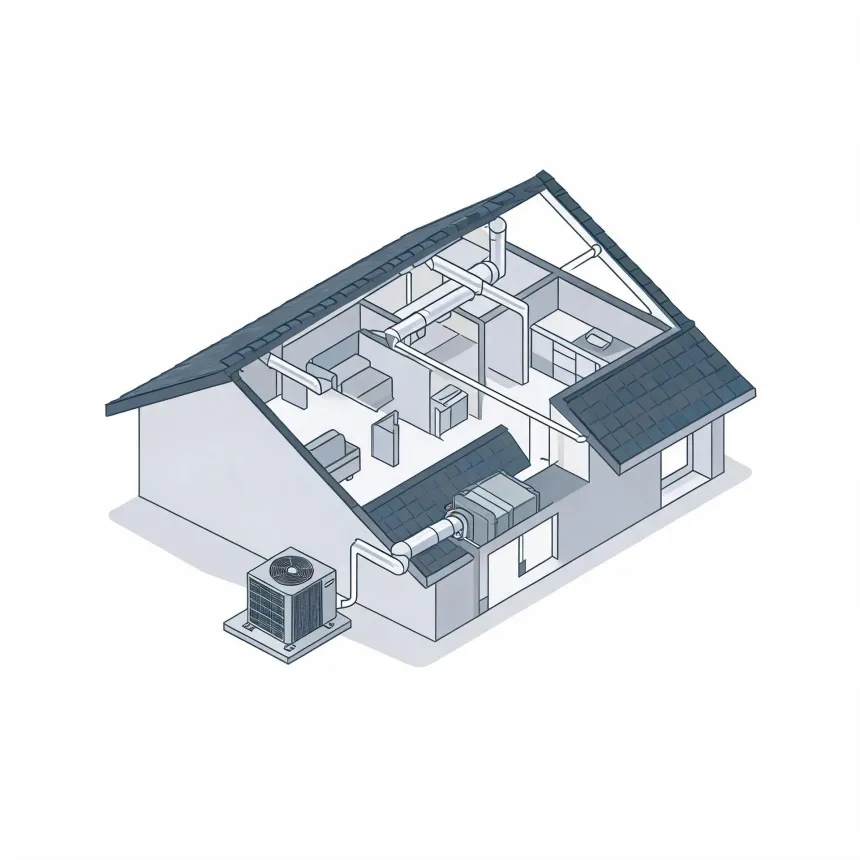
Isometric line illustration of a cutaway single-story house showing interior rooms, ceiling ductwork and an air handler, connected to an outdoor condenser unit on a pad beside the building.
Your air conditioner works hardest from June through August.

NOAA nClimDiv, 1991–2020 normals

A dirty filter starves the coil of airflow, and a starved coil can ice over even on a hot day.

A clogged drain backs up behind that same coil, and the overflow switch shuts the whole system down to keep water off your ceiling.

Meade County sees its share of rough weather. None of it changes what your AC needs once a year.

76 severe weather events from 2015 to 2024
24% of homes statewide lost power a day or more in 2024
47 damaging wind events from 2015 to 2024

Half the homes in Meade County were built in 1990 or later. If yours is one of them, the AC may be newer too, especially if it came with the house. A newer system has fewer worn parts to begin with. A yearly check is what keeps it that way. Skip it for a few years and small things go unnoticed. A capacitor loses strength. A refrigerant charge drifts low. Either one puts strain on the compressor, and the compressor is the part you don't want failing.

Keep a newer AC running like one

A newer system still needs a yearly check to stay newer longer. Set one up before the AC goes into its next stretch of summer work.

Find a contractor
A man in a gray work shirt and tan pants carries a canvas tool bag up wooden porch steps toward a dark green front door, with a potted shrub to the right.
A gray residential air conditioning condenser unit mounted on a concrete pad outdoors, surrounded by green grass under a partly cloudy blue sky.

Every cycle it runs without a check is a cycle the compressor works harder than it should

A compressor is built to run for years without stopping to rest. What wears it out early is strain, and strain builds up quietly. A capacitor that has lost some of its charge makes the compressor pull harder every time it starts. A dirty condenser coil makes it push against heat that should have shed off the coil and into the air outside. None of this trips a breaker right away. It just makes the compressor work harder on every cycle, for months, until the day it does not start at all. A yearly check catches the weak capacitor or the dirty coil while the compressor is still running fine, before either one takes the compressor down with it.

What shows up on a gauge but not in the house

A system low on refrigerant still blows cold air at the vent nearest the thermostat. The far rooms run warmer and nobody traces it back to the charge. A gauge set on the lines shows the pressure is off long before the house feels uneven.

The reading that only makes sense once a year

A capacitor's strength means nothing by itself. What tells a tech something is this year's reading against last year's, from the same unit, taken the same way. Skip a season and that comparison is gone, and so is the warning it would have given.

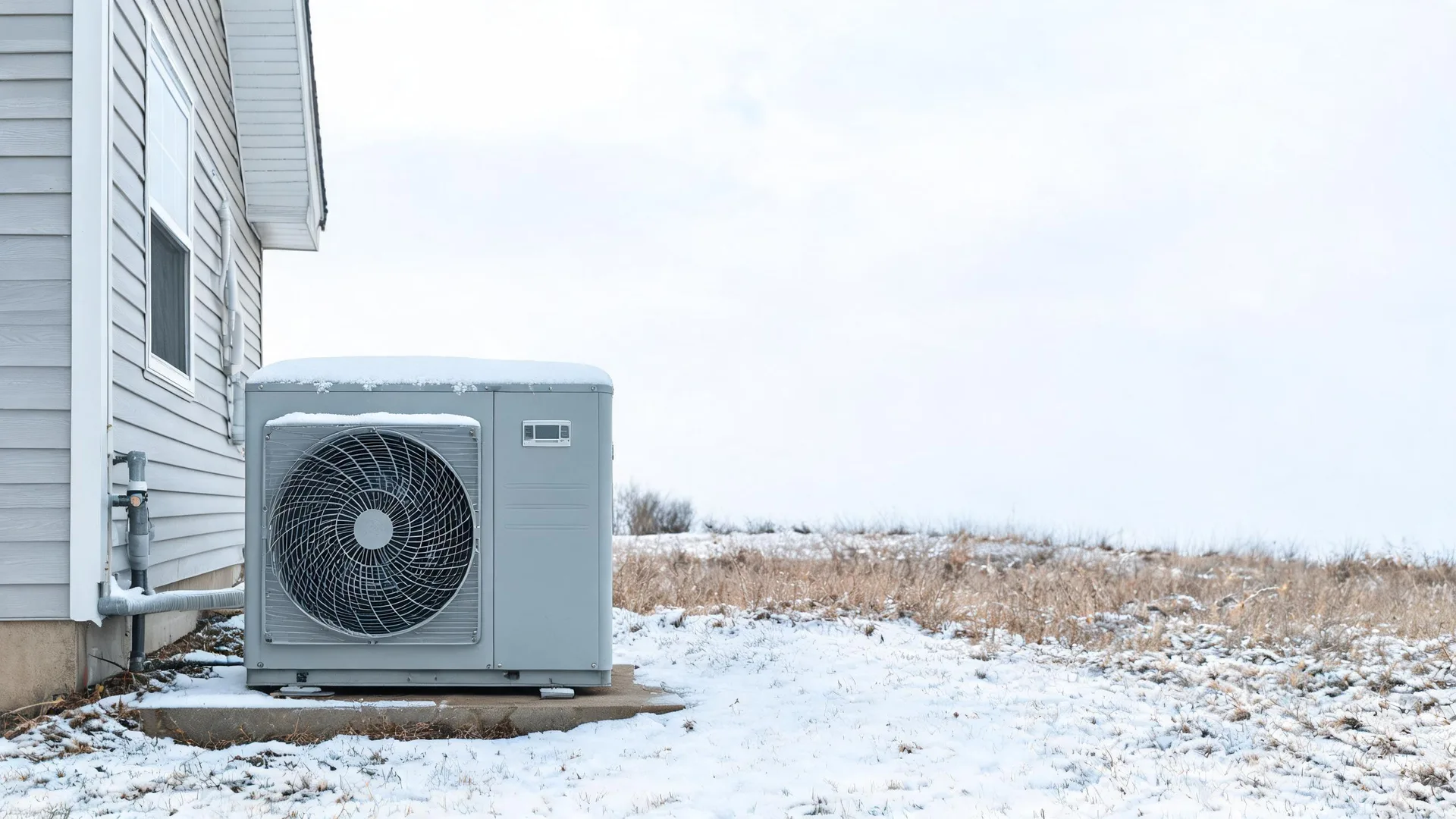
Aerial view of a gray central air conditioning condenser unit on a concrete pad next to a house with vinyl siding.

Book your AC tune-up in April, before homes here start needing cooling in May.

  1. Jan
  2. Feb
  3. Mar
  4. Apr
  5. May
  6. Jun
  7. Jul
  8. Aug
  9. Sep
  10. Oct
  11. Nov
  12. Dec

A tune-up checks the refrigerant charge, cleans the coils, tests the capacitor and tightens the electrical connections.

A real tune-up starts outside, not with a filter. The tech pulls the panel and checks the capacitor's strength under a meter, since a weak one still lets the compressor start but makes it labor every time. The refrigerant lines get checked at the service valves, not guessed at. Electrical connections get tightened, because a loose one builds heat right at the lug. The condenser coil gets washed clean, since dirt on those fins holds heat against the refrigerant instead of letting it shed into the air. The condensate drain gets flushed too, so it isn't the thing that shuts the system down on the first hot day. None of this takes guessing. It takes pulling the panel and checking the parts that only show their wear under load.