
AC Repair in Kentucky
Homes in Kentucky run cooling for more months of the year than in 34 of the other 49 states.
Tell us about the job
Takes about a minute. No obligation.
- 86°Fsummer afternoon high where people live
- 5 monthsof cooling, May through September
- 12.79¢ per kWhwhat homes paid for power in 2024 (kWh means kilowatt hours, the unit on an electric bill)
- 1,272hail events from 2015 to 2024
Summer here runs your AC hard May through September, afternoons near 86
- Western counties need about 24% more cooling than eastern ones
- Summer afternoons average 86°F where people live
- Cooling runs May through September
- 1,272 hail events from 2015 to 2024
- 7,314 damaging wind events from 2015 to 2024
- 24% of homes lost power a day or more in 2024


Half of Kentucky's homes date to 1982 or earlier, nothing unusual

Check the thermostat before anything else. Make sure it's set to cool and set below room temperature, and if it runs on batteries, swap them. Then go outside and look at the condenser unit. If the fan isn't spinning and you don't hear a hum, that points to a different problem than if it's running but the air inside still feels warm. Either way, make sure nothing is blocking the unit, no leaves, no grass clippings, no plants grown up against it.
Go find the air filter and hold it up to a light. If you can't see light through it, it's choked and needs to be swapped before anything else gets looked at. A clogged filter starves the system of airflow and can cause the evaporator coil to ice over, which then shows up as weak or warm air at the vents even though the unit outside is running fine. Check the circuit breaker too. A breaker that's tripped or a fuse that's blown will stop the outdoor unit cold, and it's worth resetting once before assuming the worst.
Why this keeps happening in Kentucky
May through September is five months of cooling, more than 34 other states get, and June through August the afternoons sit near 86 more often than in most of the country. That's a long stretch of hard running against real heat, and it's usually what sits behind a system acting up now, whatever age it is. Parts wear from the work they do, not just the years on the unit. If something's off, get it diagnosed rather than patched, so the fix holds through the next stretch of summer.
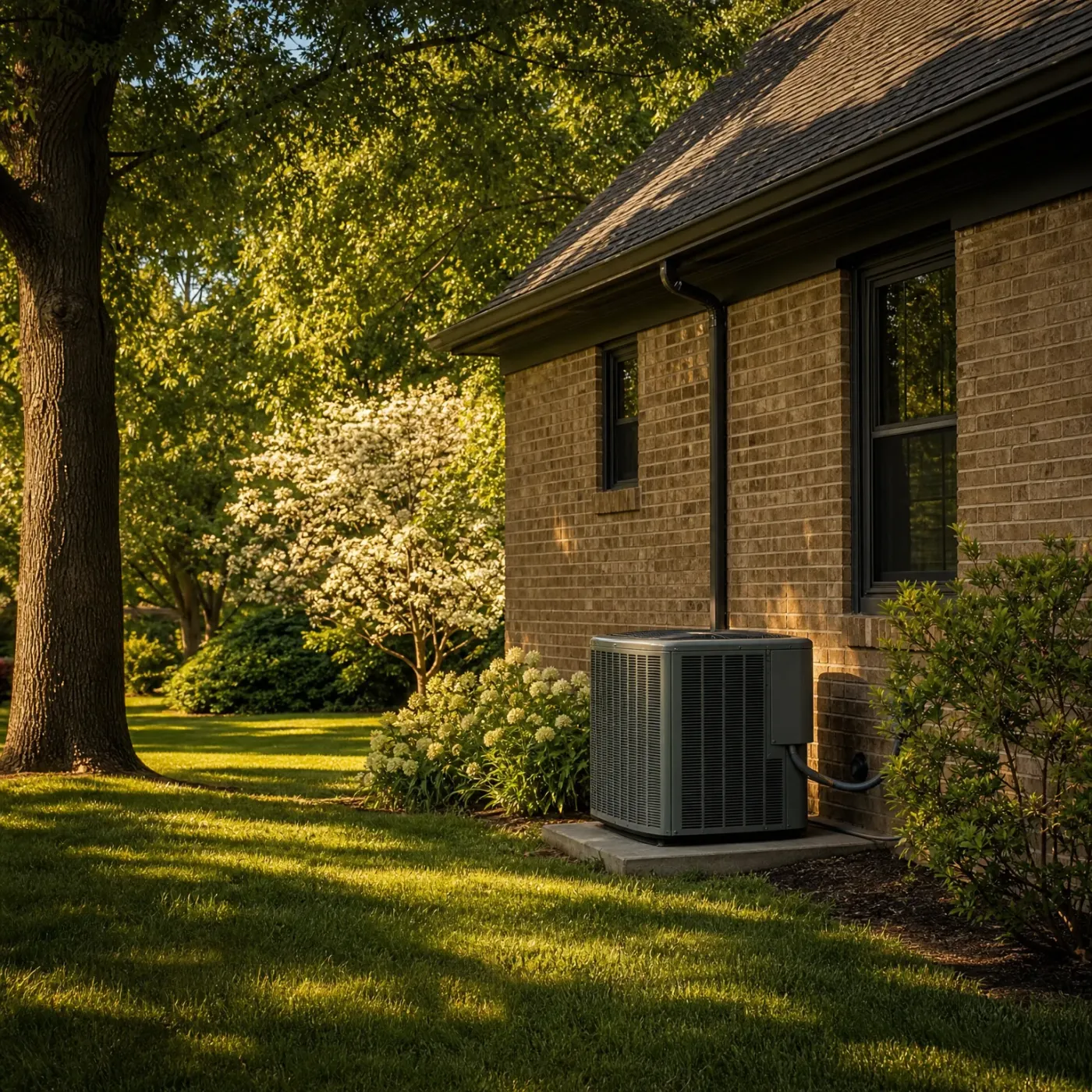
5 months of cooling, May through September
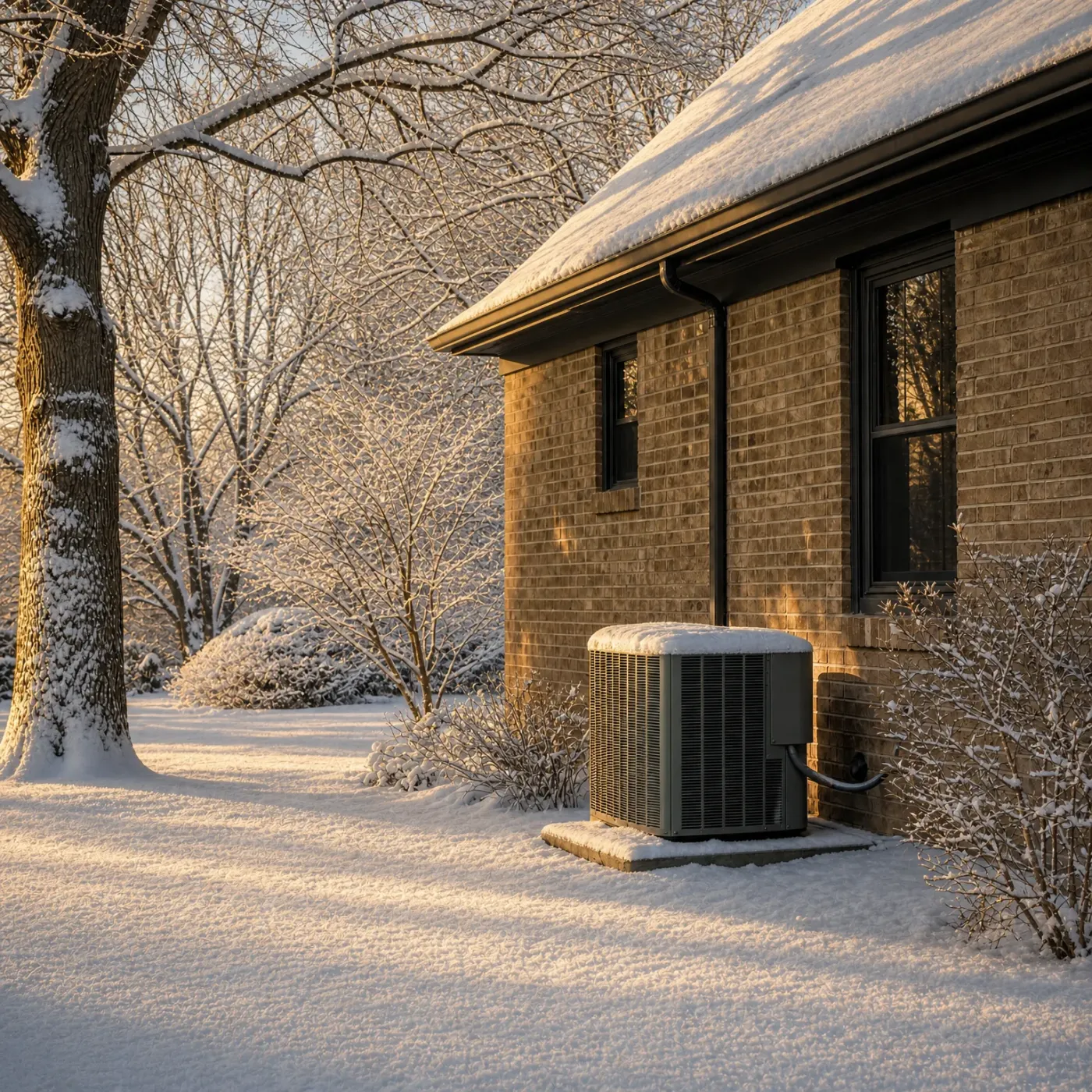
7 months of heat, October through April
Kentucky's western counties put about 24% more load on a cooling system over a year than the eastern counties do. A unit out west has more hours behind it than the same model would log further east, and that catches up with compressors and capacitors sooner.
The widest gap in the state runs between Fulton County and Harlan County. Homes in Fulton need about twice the cooling that homes in Harlan do, the lowest cooling need in Kentucky. A system in Fulton is doing twice the work of one in Harlan just to keep a house comfortable.
Warren County sees the hottest summer afternoons in the state, averaging 88°F in June, July and August. Harlan is the mildest at 81°F. A condenser sheds heat into whatever air surrounds it, so the hotter that air runs, the harder the unit works to get rid of the heat pulled from inside the house.
Jefferson County runs cooling about 5 months a year, the longest stretch in the state. Harlan runs about 3, the shortest. More months of cycling means more hours of runtime, and hours are what wear down a compressor or a fan motor over time.
Where you are in Kentucky points to what to check first. In the west, in Fulton, around Jefferson County, lean toward a system that has logged more hours than most and is due for the wear that comes with it. Closer to Harlan, in the east, the same age system has had an easier run, so if it is failing early, look for a cause other than just time and heat.
What does an AC in Kentucky face?
How hot do summer afternoons get?
86°Faverage afternoon high where people live
Alaska66°F
Arizona101°F
How many months does the cooling run?
5 monthsof cooling a year
Alaska0 months
Hawaii12 months
What does electricity cost?
12.79¢per kWh, what homes paid in 2024
North Dakota11.51¢
Hawaii42.86¢
How often do storms hit?
147severe weather events per county from 2015 to 2024
Alaska5
Wyoming1,057
How many homes lost power for a day or more?
24%of homes in 2024
Arizona7%
Maine54%
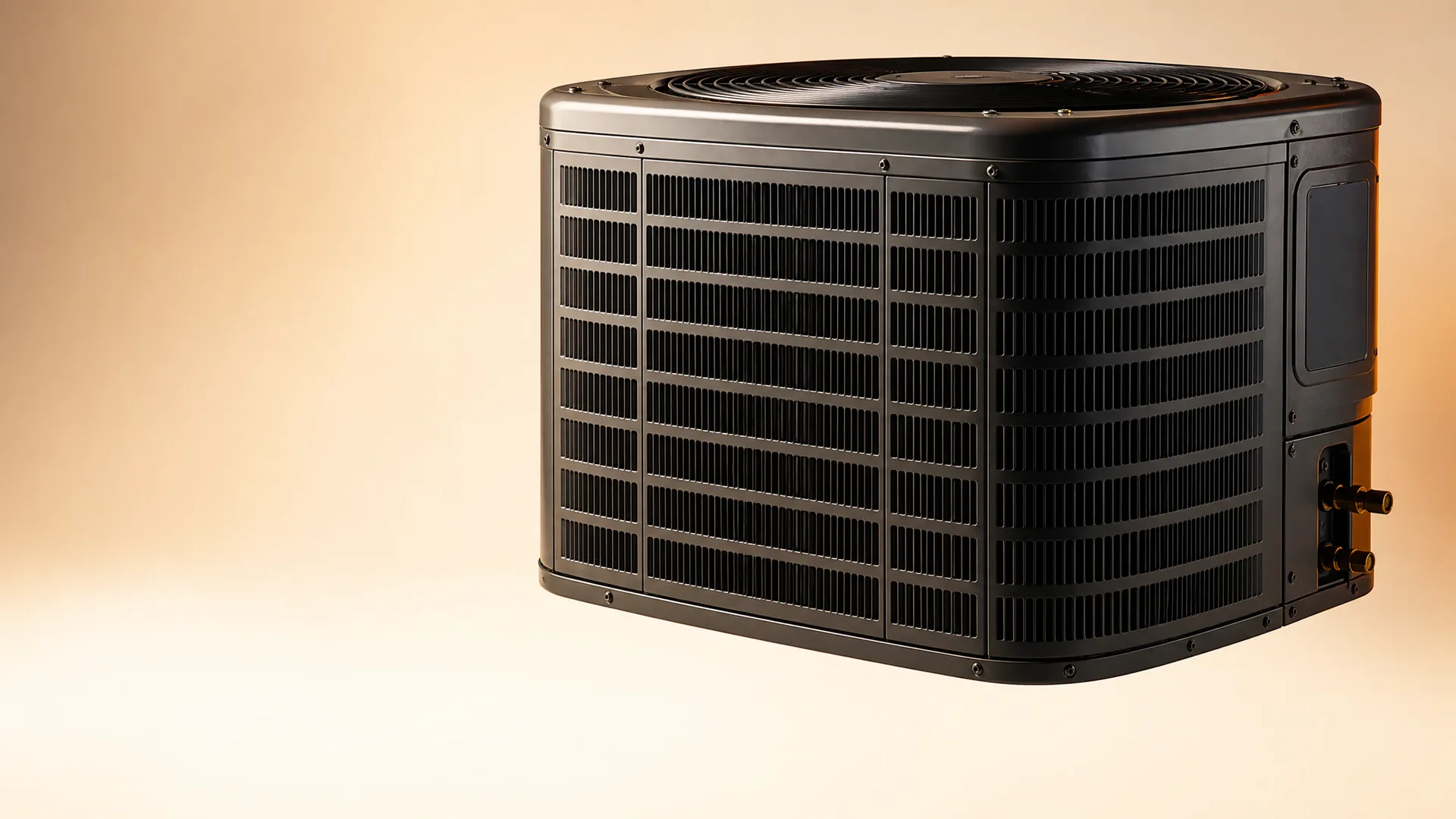
What's actually wrong when your AC acts up
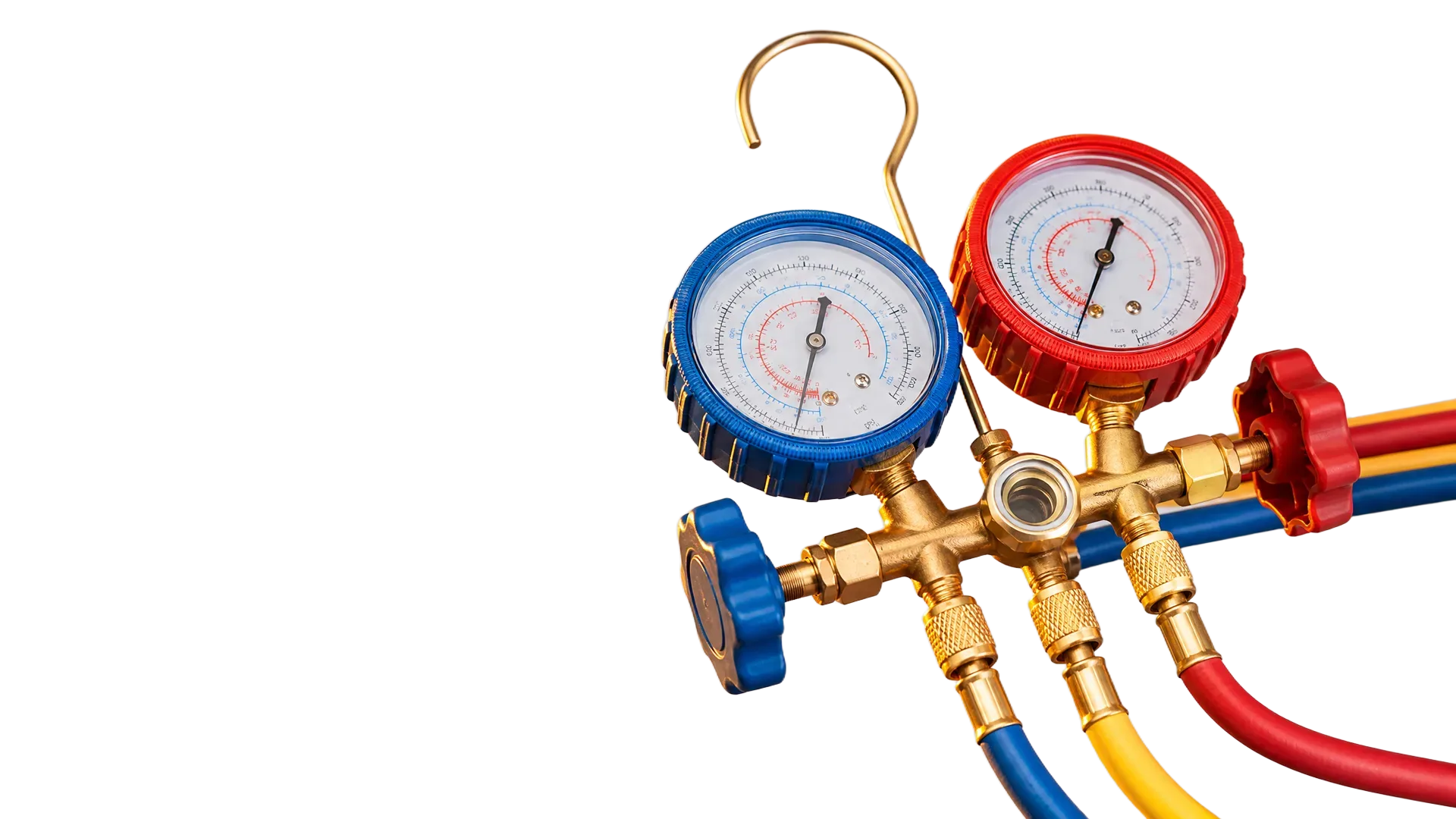
Warm air from the vents gets noticed first, but it points to different things. If the air is warm and the condenser outside is running, the charge could be low, or the compressor could be wearing out. If the air is warm and the condenser isn't running at all, that's usually electrical. A bad capacitor, a failed contactor, a motor that's seized. Short cycling is worth paying attention to too. The unit kicks on, runs a couple minutes, shuts off, then starts again soon after. That's hard on the compressor and usually means the system is low on refrigerant or a safety switch is cutting it off early. Ice on the copper line running to the condenser means the airflow or the charge is wrong, not that the system is working extra hard. A unit that runs constantly without ever satisfying the thermostat is losing the fight somewhere, whether that's a failing compressor or refrigerant it shouldn't be without. None of these get better by waiting. A compressor running low on charge, or cycling against a bad capacitor, does a little more damage to itself every time it starts.
Why running it longer makes the damage worse
A system low on charge keeps pulling the compressor into a vacuum it wasn't built to run in, and every hour it runs that way adds wear that wasn't there before. Ice on the line does the same kind of harm. Once that ice forms, it blocks airflow across the coil, so the system runs longer trying to reach the temperature on the thermostat, and the ice builds further. Left alone, that ice can carry back to the compressor itself as liquid refrigerant, which is one of the faster ways to end one. Short cycling works the same way in miniature. Each start pulls a hard jolt of current through the motor windings, more than a steady run ever does, and a system doing that every few minutes is stacking up that wear many times over an afternoon. None of this fixes itself by staying on. A unit struggling to cool is a unit asking to be shut off until someone looks at it, not pushed to keep trying.
When a repair is worth making
Age matters less than what the age bought. A compressor that's logged years of hard, steady cycling without short cycling or running low on charge can still have life in it. One that's been limping along low on refrigerant, or starting and stopping every few minutes for months, has worn faster than its years suggest. The question to ask about any repair is whether it fixes the problem or just the symptom. Replacing a capacitor on a unit that's otherwise run clean is a repair worth making. Replacing a capacitor for the third time on a compressor that's starting to seize is just delaying the same decision. A leak in the coil is worth knowing about too. A coil can be patched once, but a coil that's leaked once tends to leak again somewhere else, and refrigerant isn't something a system should need topped off every season. If the compressor itself is failing, that's usually the point where fixing it costs most of what a new system would, since the compressor is the most expensive part in the unit. A tech who's actually looked at the system, not just heard it described, is the one who can tell you which side of that line a given repair falls on.
An AC acting up here has been running hard for months and is worth having looked at now.
Tell us about the job
Takes about a minute. No obligation.
Fill out the form once and a licensed contractor in your area will contact you about getting it fixed.