





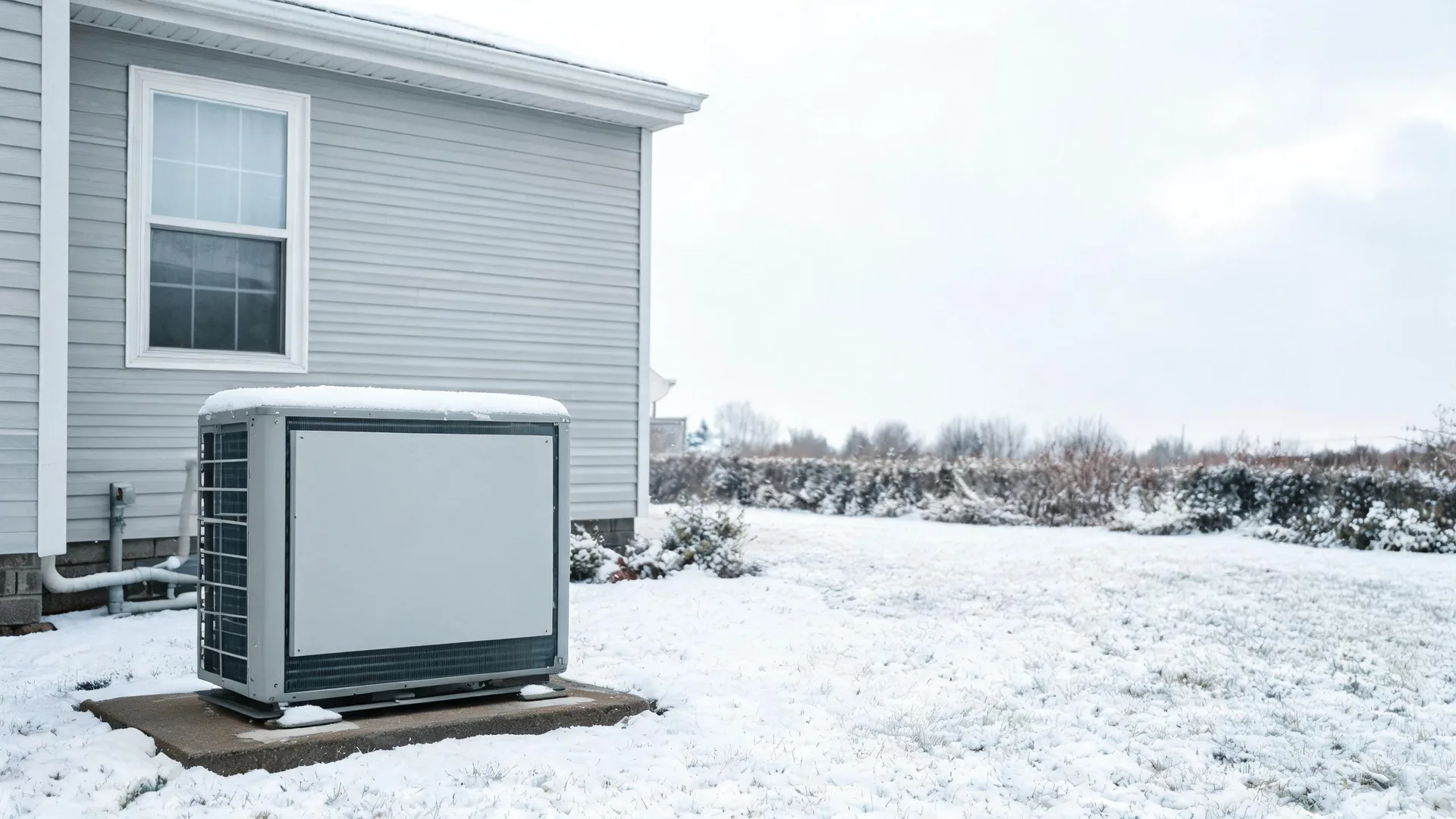
An outdoor air conditioning condenser unit positioned on a concrete pad next to a blue-sided house, surrounded by green shrubs and flowering hydrangeas at sunset.

AC Repair in Mount Washington, KY

Tell us about the job

Takes about a minute. No obligation.

RepairCentral ACBullitt County, KY
Step 1 of 2

What ZIP code is the job in?

Most AC calls come down to one of a few things. A capacitor weakens and the compressor or fan struggles to start, or won't start at all. The refrigerant charge runs low because of a leak at a coil or fitting, and the system loses its ability to pull heat out of the air. A condenser coil outside gets caked with dirt and grass clippings until it can't shed heat properly. Drain lines clog with algae and the system shuts itself down to avoid an overflow. Any of these can look the same from inside the house. Warm air, short cycling, or a system that won't come on at all.

5 months
May through September, your air conditioner is on duty
86°F
the average summer afternoon it cools against
10 hail events
in ten years, and hail bends the fins on outdoor coils
58 wind events
in ten years, and wind drives debris into outdoor units
Isometric line illustration of a cutaway single-story house showing interior rooms, attic ductwork and an air handler, connected by a line to an outdoor condenser unit on a pad.
Your air conditioner works hardest from June through August.

NOAA nClimDiv, 1991–2020 normals

A dirty filter chokes airflow before anything else goes wrong.

Check it first. A clean filter rules out the easiest problem and lets the rest of the system breathe.

Weather here isn't why your AC quit

84 severe weather events from 2015 to 2024
24% of homes statewide lost power a day or more in 2024
58 damaging wind events from 2015 to 2024

Half the homes in Bullitt County were built in 1993 or later. If yours is one of them, the system is less likely to be the original equipment straining through its last years, and more likely something newer with real life left in it. That changes what this repair call is about. You're not deciding whether the unit is worth saving. You're finding the one part that failed and getting it fixed.

A newer system is worth repairing

Get the one failed part diagnosed and fixed, not the whole unit replaced.

Find a contractor
An outdoor air conditioning condenser unit mounted on a concrete pad surrounded by gravel, photographed against a partly cloudy blue sky.

Keep it running and the damage moves to the compressor

A weak capacitor still lets the compressor limp along, starting hard and running hot instead of failing clean. Keep running it that way and the compressor windings take the damage instead of the capacitor. Low refrigerant wears things down the same way. The system keeps trying to pull heat out of air that doesn't have enough refrigerant to carry it, so the compressor works harder and runs hotter than it was built to. A clogged drain line left alone backs up until the float switch kills the system, or the water finds somewhere else to go. None of these fix themselves by running longer. Each one moves the wear from a part that was easy to replace to the compressor itself.

What you'll actually notice

The air coming out of the vents runs warm or barely cool. The system turns on and off in short bursts instead of running a full cycle. Sometimes it won't start at all, just a hum or a click from the outdoor unit. Ice can form on the indoor coil or the refrigerant line, and once that happens the airflow drops even further. None of these point to one single cause on their own, which is why guessing at parts from inside the house rarely works.

What's worth paying attention to

A system that used to keep up and suddenly can't hold the temperature is telling you something changed, not that it's wearing out generally. A hissing or bubbling sound near the lines can mean a refrigerant leak. Water pooling near the indoor unit points to the drain line, not the compressor. The more specific you can be about what changed and when, the faster a tech can skip past the parts that are fine and get to the one that isn't.

Aerial view of a square outdoor air conditioning condenser unit on a concrete pad beside a house wall with a sliding glass door.

A new air conditioner would cut about $40 a year off cooling for a typical Bullitt County home.

  • A new one at the federal minimum, 14.3 SEER2$270 a year
  • An older air conditioner$310 a year

Estimates for a typical Bullitt County home, compared with an older unit built to the previous federal minimum, from EIA household energy data, Kentucky fuel prices and NOAA climate normals. Your home will differ.

Repair makes sense when a part like a capacitor or contactor has failed.

Replacement makes sense when the compressor has failed or the system uses R-22 refrigerant, which is no longer made.

Age has a lot to do with whether a repair makes sense, but it's not the only thing. A compressor failure on an older system is usually the end of the road, since a new compressor costs enough that replacing the whole unit makes more sense anyway. A failed capacitor, a clogged drain line, or a refrigerant leak at a fitting is a different story. Those parts can fail on a system of any age and get swapped out without touching anything else. The question worth asking isn't just how old the unit is, it's which part failed. A cheap part failing on an old system can still be worth fixing if the compressor and coils are sound. A tech can tell you that in a few minutes once they're looking at it.