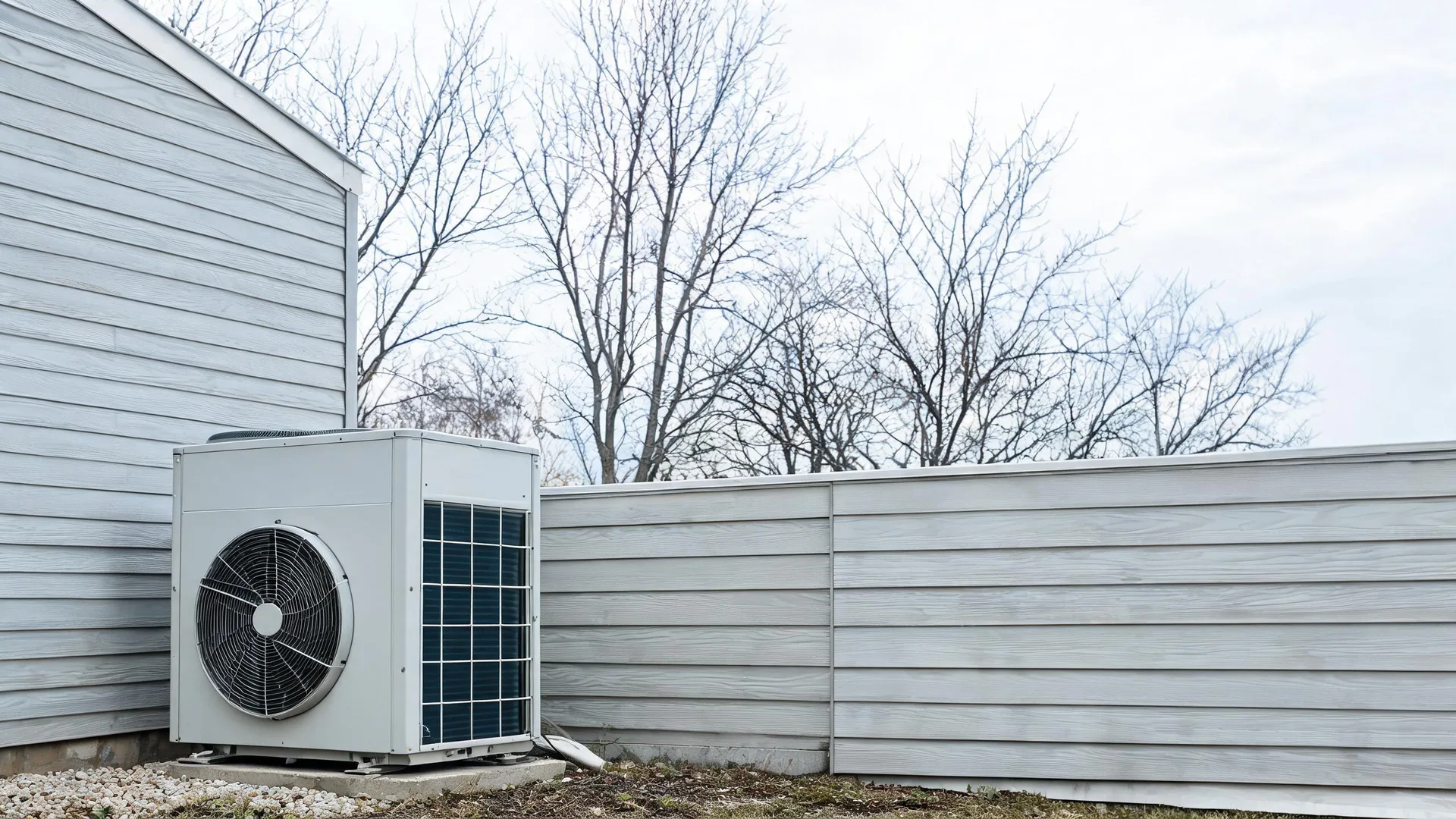
An outdoor air conditioning condenser unit on a concrete pad next to the gray vinyl siding of a residential home.

AC Repair in Paducah, KY

Tell us about the job

Takes about a minute. No obligation.

RepairCentral ACMcCracken County, KY
Step 1 of 2

What ZIP code is the job in?

A small fault asks a part to work past what it's rated for

A capacitor running weak still kicks the compressor on, just with more strain each cycle. A refrigerant leak still lets the compressor run, just colder than it should and harder to lubricate. The compressor doesn't fail because it's old. It fails because something downstream kept asking it to work while the thing that should have protected it was already gone.


The part that gets replaced depends on how long it ran like that

A tech can swap a capacitor or fix a loose connection in one visit, and the compressor is never touched. Let that same fault run and the compressor itself takes the damage, and some units aren't worth replacing at that point. The noise or the short cycling at the start was the system saying what it needed. Running it through that is what turns a part into the whole system.

5 months
May through September, your air conditioner is on duty
88°F
the average summer afternoon it cools against
15 hail events
in ten years, and hail bends the fins on outdoor coils
96 wind events
in ten years, and wind drives debris into outdoor units
Isometric cutaway illustration of a house showing interior ductwork, an air handler, and an outdoor condenser unit connected by lines, with simple furniture in the rooms.
Your air conditioner works hardest from June through August.

NOAA nClimDiv, 1991–2020 normals

Check the outdoor unit before you call anyone. If the fan isn't spinning but you hear a hum, that's a different problem than a fan spinning with no cold air inside.

Check your air filter too. A filter clogged enough can ice the coil, and then you get no cold air no matter what else is wrong.

AC in Paducah starts its first hard run in May

Cooling runs May through September
Summer afternoons average 88°F
96 damaging wind events from 2015 to 2024
Old house or new, the fix is the sameHalf the homes in McCracken County were built in 1978 or earlier, half in 1978 or later. Age doesn't change what's wrong with your AC.

Nothing about a Paducah summer asks more of your AC than what it's built for. The fixes here are the ordinary ones. A weak capacitor, a low charge, a dirty coil. If the unit is old enough that parts are getting hard to find, the math changes, but that's true anywhere. Kentucky homes paid 12.79 cents per kilowatthour in 2024, so a unit running long or hard on a bad part shows up on the bill before it shows up as a breakdown. That's one more reason to get the small fault fixed while it's still small.

Get it looked at early

Problems tend to show up in the first weeks of the season, when the load hits a part that was already weak.

Find a contractor
A gray residential air conditioning condenser unit mounted on a concrete pad outdoors, surrounded by green grass under a partly cloudy blue sky.

What it sounds like before it quits

The system usually tells you before it quits. Warm air from the vents when the thermostat is set low and running. Short cycling, where it kicks on, runs a few minutes, and shuts off before the house cools down. A fan that spins but moves no air, or one that hums and doesn't spin at all. Ice on the indoor coil or on the line running to the outdoor unit. A smell when it first kicks on, or water pooling where it shouldn't be. Any of these is worth a call. None of them mean the compressor is done. The compressor is usually the last part to fail, not the first, and most of these signs point to something ahead of it in the system.

Most failures start outside the unit

Dirt is behind more service calls than any broken part. A coil caked with dust can't shed heat, so the system runs long and the compressor works harder than it should. A clogged filter starves the system of airflow until the coil frosts over. Neither one is a repair most of the time. It's a cleaning, and it's why outdoor units need clear space around them and indoor filters need changing on a schedule.

Electrical parts wear out before mechanical ones usually do

A capacitor loses its charge over years of starting the compressor and fan motor, and when it goes weak, the motor it feeds strains on every cycle instead of starting clean. Contactors pit and stick from the arcing they do every time they close. These parts are made to wear down and get replaced. The compressor and the coils are built to outlast several rounds of them.

An outdoor central air conditioning unit mounted on a concrete pad beside a blue-sided house at sunset.

A new air conditioner would cut about $50 a year off cooling for a typical McCracken County home.

  • A new one at the federal minimum, 14.3 SEER2$320 a year
  • An older air conditioner$370 a year

Estimates for a typical McCracken County home, compared with an older unit built to the previous federal minimum, from EIA household energy data, Kentucky fuel prices and NOAA climate normals. Your home will differ.

Repair makes sense when a part like a capacitor or contactor has failed.

Replacement makes sense when the compressor has failed or the system uses R-22 refrigerant, which is no longer made.

A diagnostic call starts outside, not at the thermostat. A tech checks the outdoor unit first, looking at whether the fan spins, whether the compressor is drawing power, whether the contactor is pitted or stuck. Gauges go on next to check refrigerant pressure, since that number says more about a leak or a bad charge than anything visible. Inside, the coil gets checked for ice or buildup, and the filter gets pulled to see what shape it's in. Electrical readings come from a meter, not a guess, because a capacitor can look fine and still be weak. By the time the tech has walked the system end to end, the fault usually has a name, and so does the part that needs to change.