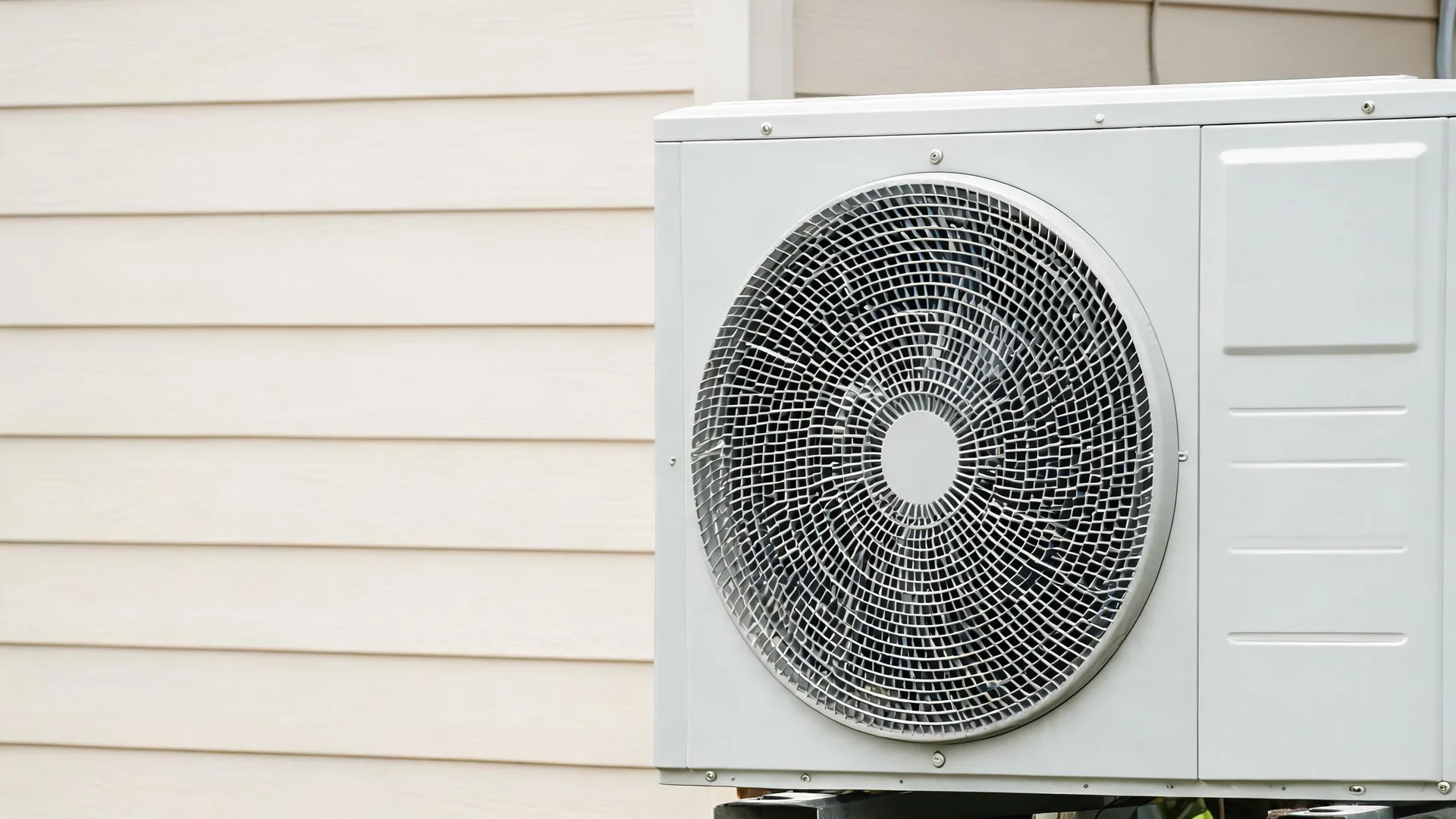
An overhead view of a residential air conditioning condenser unit mounted on a concrete pad next to a house with vinyl siding.

AC Repair in Somerset, KY

Tell us about the job

Takes about a minute. No obligation.

RepairCentral ACPulaski County, KY
Step 1 of 2

What ZIP code is the job in?

Warm air from the vents means something specific

A system blowing air that isn't cold usually points to a low refrigerant charge, a failing compressor, or a dirty condenser coil outside. Weak airflow with the right temperature drop points somewhere else, usually a clogged filter or a blower losing strength. Either way it's a repair, not something that fixes itself.

Short cycling wears the system out faster

If the unit kicks on, runs a few minutes, then shuts off before the house cools, that's short cycling. It can come from a dirty filter restricting airflow, a bad thermostat sensor, or a refrigerant problem. Letting it run this way stresses the compressor every time it starts back up.

4 months
June through September, your air conditioner is on duty
84°F
the average summer afternoon it cools against
26 hail events
in ten years, and hail bends the fins on outdoor coils
167 wind events
in ten years, and wind drives debris into outdoor units
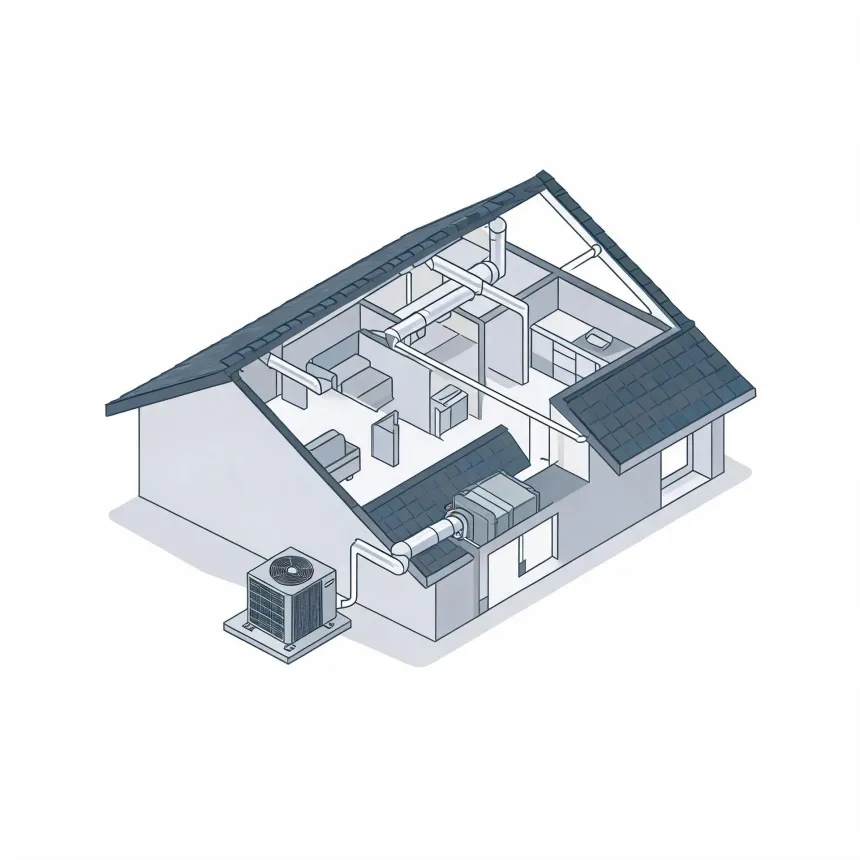
Isometric line illustration of a cutaway single-story house showing interior rooms, ceiling ductwork and an air handler, connected to an outdoor condenser unit on a pad beside the building.
Your air conditioner works hardest from June through August.

NOAA nClimDiv, 1991–2020 normals

A dirty condenser coil makes the compressor work harder to do the same job.

Keep debris and grass clippings away from the outdoor unit and the coil stays clean longer.

Half the homes in Pulaski County were built in 1986 or later, so a lot of these AC systems still have years of work left in them

Half the homes here were built by 1986
Climate zone 4A
Power costs 12.79 cents a kWh statewide
Get ahead of JuneCooling runs June through September here. May is when a weak AC shows itself before the heat does.

Summer here runs June through September, with afternoon highs averaging 84. That's four months where the AC has to show up every day, but it's not a brutal stretch compared to what a lot of the country deals with, and it's not why a system breaks down mid-July. Most repair calls at this time of year come down to a capacitor giving out, a dirty coil, or a refrigerant leak, the same handful of problems techs see everywhere this climate falls. If your AC is struggling right now, the summer load is probably just exposing a part that was already on its way out.

Get it looked at before you rule out repair

If your AC came with the house, there's a good chance it still has years of work left in it. That's worth knowing before you decide between a repair and a replacement. Get a tech out to look at it first.

Find a contractor
A man in a cap, dark shirt and tan work pants walks up porch steps toward a green front door, carrying a worn canvas tool bag, with a potted shrub beside the entry.
A gray metal air conditioning condenser unit mounted on a concrete pad in a flat grassy field under a partly cloudy sky.

Running on a bad part doesn't buy you time

A struggling AC doesn't fail all at once. It fails a little more every hour it keeps running the way it's running now. A compressor working against a dirty coil or a low charge is pulling harder than it was built to pull. Heat builds up in places it shouldn't. A blower motor losing strength has to spin faster to push the same air, and that wear adds up. Short cycling is the clearest case. Every restart loads the compressor with a jolt it wasn't built to take over and over in a single afternoon. None of this fixes itself by running longer. The part that's failing keeps failing, just faster, and what started as a repair can turn into a replacement if it goes unchecked.

What you can check at the thermostat and the vents

Make sure the thermostat is set to cool and set below room temperature, and check if the display is blank or dim, which usually means a power or battery problem rather than anything with the AC itself. Feel the air at a vent. If there's no airflow at all, check the return air filter. A filter packed with dust can choke the system down to nothing, and swapping it is something any homeowner can do without a tool.

What to look at outside before you call

Walk out to the outdoor unit and look at the coil, the fins wrapped around the cabinet. Grass clippings, leaves, and dirt packed against them block airflow and make the system work harder than it should. Clear debris away by hand if you see it. Also check that the breaker for the unit hasn't tripped. These are the few things safe to check yourself. Anything involving the refrigerant lines or the electrical components inside the unit is a job for someone licensed to do it.

An outdoor air conditioning condenser unit on a concrete pad next to the gray vinyl siding of a residential home.

A new air conditioner would cut about $30 a year off cooling for a typical Pulaski County home.

  • A new one at the federal minimum, 14.3 SEER2$230 a year
  • An older air conditioner$260 a year

Estimates for a typical Pulaski County home, compared with an older unit built to the previous federal minimum, from EIA household energy data, Kentucky fuel prices and NOAA climate normals. Your home will differ.

Repair makes sense when a part like a capacitor or contactor has failed.

Replacement makes sense when the compressor has failed or the system uses R-22 refrigerant, which is no longer made.

A repair makes sense when the cabinet and coil are sound and only one part failed on its own, a capacitor, a contactor, a fan motor. Those are normal wear items, and replacing one doesn't say anything bad about the rest of the system. Replacement starts to make more sense when the compressor itself is the problem, since that's the most expensive part to fix and the one most likely to take the rest of the system down with it when it goes. Age matters less than pattern. A single repair after years of running fine is just maintenance. Repeated calls for different problems within a short stretch usually mean the system as a whole is wearing out at once, not that it keeps having bad luck. A tech who's seen the unit can tell you which situation you're actually in.