Boone County sees its share of storms
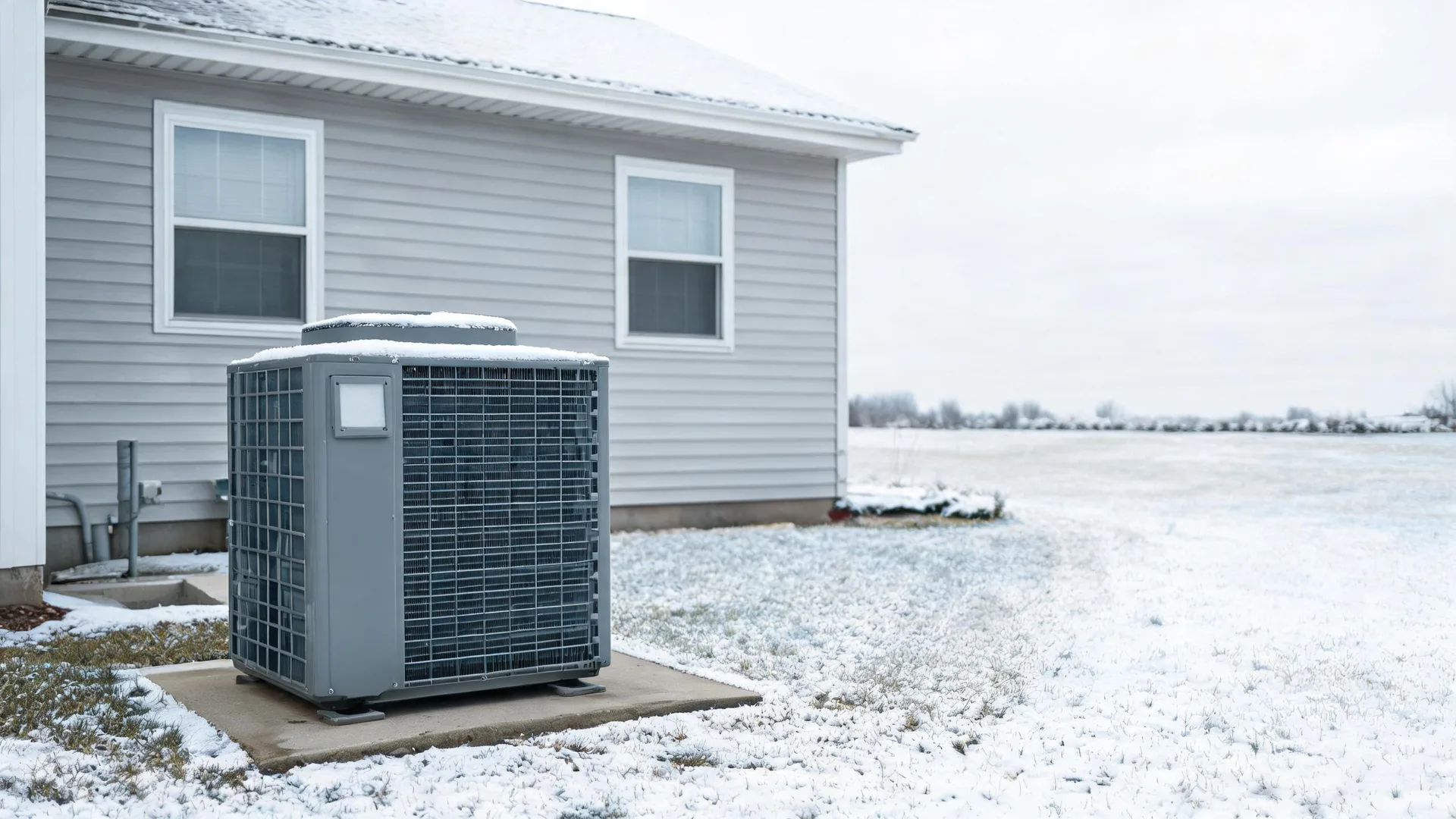
Boone County logged 121 severe weather events between 2015 and 2024. Most of that was damaging wind, with some hail and one tornado mixed in. That outdoor unit sits outside through all of it.
Takes about a minute. No obligation.
Boone County logged 121 severe weather events between 2015 and 2024. Most of that was damaging wind, with some hail and one tornado mixed in. That outdoor unit sits outside through all of it.
Hail dents fins and bends the cabinet. Wind throws branches and grit into the coil. None of that always stops the unit from running, so a system that still kicks on can still be worth a look after a bad storm.

NOAA nClimDiv, 1991–2020 normals
Cooling here starts in June, after sitting idle since September.
A weak part often fails in the first weeks of June, when the heat finally puts load on it.



Half the homes in Boone County were built in 1996 or later. If yours is one of them, the system is likely well within its working life, storm damage or not. A repair now is usually what gets it back to doing its job.
Find a contractor
A compressor that's struggling doesn't fail cleanly. If the charge is low or a capacitor is weak, the compressor still starts and still runs, just harder than it should. That strain shows up as heat building in the windings. Run it long enough in that state and the motor can short out for good, turning a repair into a full replacement. The same goes for a coil that's gone to grit or a blocked drain line. The unit keeps cooling, worse every day, while a clogged drain backs up and finds somewhere else to go. None of these start as emergencies. Left running, several of them end as one.
Look at the outdoor unit. Make sure nothing is pressed against the sides, no leaves packed into the fins, no branch resting on the cabinet. Check that the fan on top spins freely and isn't wobbling or scraping. Feel the copper lines running to the house, one should be cold and the other closer to room temperature. If the breaker tripped, you can reset it once. If it trips again, stop and leave it off.
Ice on the copper lines or the indoor coil means something is wrong with airflow or charge, and running it longer won't clear the ice, it'll just build. Water pooling near the indoor unit points to a blocked drain line. A burning smell or a breaker that won't hold means stop running it and don't reset it again. Any of these is a sign the system needs a look before it runs any further.
Estimates for a typical Boone County home, compared with an older unit built to the previous federal minimum, from EIA household energy data, Kentucky fuel prices and NOAA climate normals. Your home will differ.
Repair makes sense when a part like a capacitor or contactor has failed.
Replacement makes sense when the compressor has failed or the system uses R-22 refrigerant, which is no longer made.
A diagnostic starts outside at the unit, then moves in. A tech will check the capacitor and contactor first, since those fail often and fail fast to test. They'll hook up gauges to read the refrigerant charge, because low charge points to a leak somewhere in the line set or coil. Airflow gets checked too, the filter, the blower, the ductwork, since a system starved for airflow will ice up and strain no matter how much refrigerant it has. Electrical readings on the compressor itself tell whether it's drawing current the way it should or struggling under a short. By the end, the tech can usually say what failed, what it'll take to fix, and whether the rest of the system is sound enough to be worth fixing.