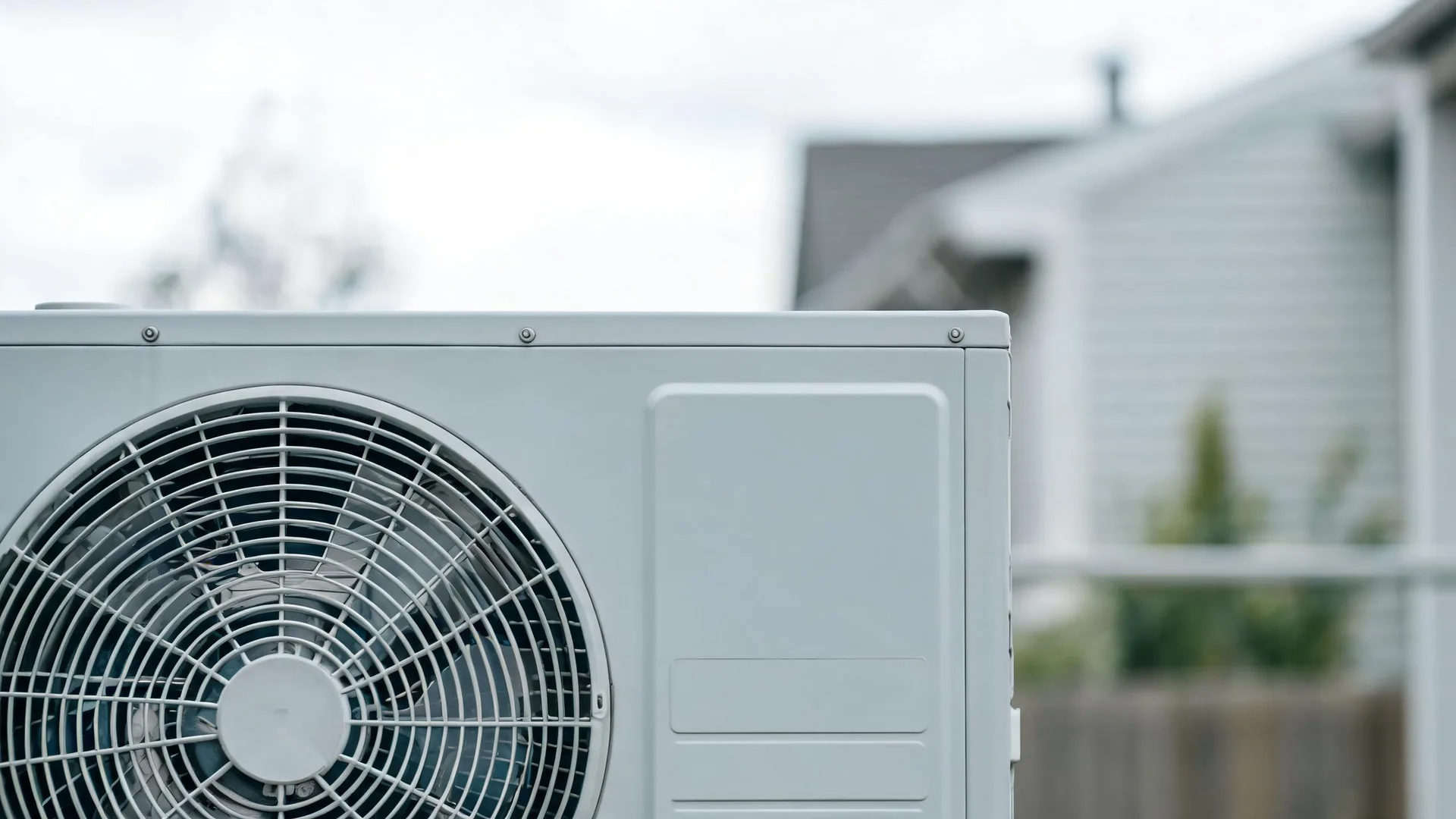
Weather here is hard on outdoor units
Warren County logged 142 severe weather events between 2015 and 2024, including damaging wind, hail and tornadoes. A condenser sitting outside takes that head on, year after year.
Takes about a minute. No obligation.
Warren County logged 142 severe weather events between 2015 and 2024, including damaging wind, hail and tornadoes. A condenser sitting outside takes that head on, year after year.
Hail can dent the fins or nick the coil without stopping the unit from cooling. If a storm has come through since it last worked right, that's worth a look even if nothing seems wrong yet.

NOAA nClimDiv, 1991–2020 normals
AC runs here from May through September.
May is when a weak part from last year finally gets tested.



Half the homes in Warren County were built in 1993 or later. If yours is one of them, your AC is probably not old enough to be the problem on its own. A unit that age can still have a straightforward fix. A capacitor, a contactor, a low charge are all things a tech can replace without touching the rest of the system. Worth knowing before anyone brings up replacing it.
If a storm has come through since your AC last worked right, get the outdoor unit looked at before you decide what's wrong with it. A tech can check the fins and coil for hail damage that won't show up as anything more than a system that runs a little worse than it should.
Find a contractorIf your system came in with the house, call for a repair first, not a replacement estimate. A tech can tell you fast whether it's a capacitor, a contactor or a charge issue, and any of those gets fixed without touching the rest of the unit. Mention the house's age when you call. It tells them what they're likely dealing with before they even get there.
Make sure the thermostat is set to cool and set below room temperature, and check that the batteries aren't dead if it has them. Then look at the breaker panel. A tripped breaker on the AC circuit will stop the whole system cold with no other symptoms. Flip it back once. If it trips again right away, stop and let a tech find out why.
Pull the filter and hold it up to light. If you can't see through it, swap it out. A clogged filter starves the system of airflow and can freeze the coil. Then walk outside and check the condenser for leaves, grass clippings or anything blocking the fins. Clear debris away by hand. Beyond that, don't open the unit or touch the wiring.
Estimates for a typical Warren County home, compared with an older unit built to the previous federal minimum, from EIA household energy data, Kentucky fuel prices and NOAA climate normals. Your home will differ.
Repair makes sense when a part like a capacitor or contactor has failed.
Replacement makes sense when the compressor has failed or the system uses R-22 refrigerant, which is no longer made.
A lot of repair-versus-replace advice skips the actual question, which is whether the problem is likely to stay fixed. A capacitor or a contactor doesn't tell you anything about the rest of the system. Those parts fail on their own, from ordinary wear, and swapping one doesn't mean another is close behind. What changes the math is a compressor problem or a refrigerant leak in the coil itself. Those point at the one part that can't be replaced on its own without the cost rivaling a new unit. If a tech tells you the compressor is the issue, that's the moment replacement is worth weighing seriously. If it's anything else, it's usually just that part's turn to fail.