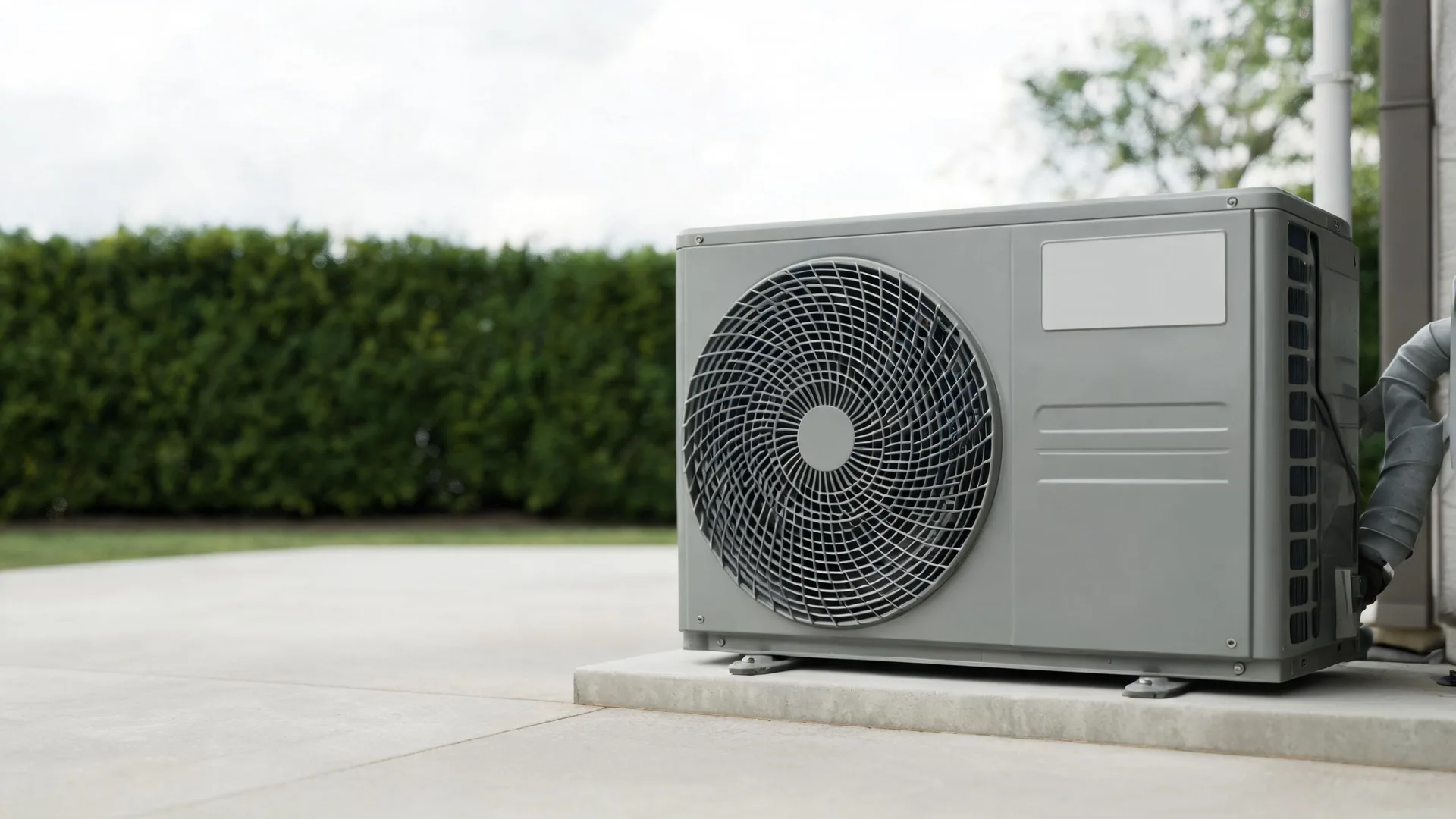
Four months of real work
AC in Clark County runs June through September. Afternoon highs average 85°F across those months. That is a normal summer load, not an extreme one, and it is what the equipment here was sized for.
Takes about a minute. No obligation.
AC in Clark County runs June through September. Afternoon highs average 85°F across those months. That is a normal summer load, not an extreme one, and it is what the equipment here was sized for.
A system built for a normal summer that is struggling usually has an ordinary problem. A weak capacitor. A dirty coil. A low charge. A clogged filter choking airflow. Find which one it is before assuming anything bigger.

NOAA nClimDiv, 1991–2020 normals
AC in Clark County starts its season in June.
May is when a weak part is most likely to give out once the heat hits.



Nothing about this area is especially hard on it. It's most likely the usual problem with the usual fix.
Find a contractorPull the filter and hold it up to a light. If light barely gets through, that is the problem right there. A clogged filter can look exactly like a failing system, with weak cooling, ice on the lines, the outdoor unit running without catching up. Go outside next. Leaves, grass clippings, anything packed against the fins blocks the airflow the unit needs to dump heat. Clear it by hand, not with a hose on full pressure. Inside, check that vents are open and not blocked by a rug or furniture. If the thermostat runs on batteries, put in fresh ones. Notice whether the air coming out is weak or whether it just is not cold, since those point to different problems and it helps to tell the tech which one it is. If the outdoor unit will not run at all, check the breaker before anything else.
A capacitor that is starting to fail still kicks the compressor on, just with a harder strain each time. Keep running the system on that and the compressor draws more current than it should every cycle. Capacitors are a simple swap. Compressors are not, and some are not worth replacing on their own.
A coil that starts icing is already short on airflow or refrigerant. Letting the system run adds more ice, which blocks even more airflow, so the problem builds on itself. Shut it off when you see ice. Running it longer to try to catch up only makes the coil thaw and refreeze worse.
Estimates for a typical Clark County home, compared with an older unit built to the previous federal minimum, from EIA household energy data, Kentucky fuel prices and NOAA climate normals. Your home will differ.
Repair makes sense when a part like a capacitor or contactor has failed.
Replacement makes sense when the compressor has failed or the system uses R-22 refrigerant, which is no longer made.
Age by itself doesn't tell you whether to repair or replace. What matters is which part failed and what else on that system has already been touched. A capacitor, a contactor, a fan motor, these are normal wear items, and swapping one doesn't say anything bad about the rest of the unit. A compressor is different. If the compressor is failing, you're really deciding whether to put money into a system that's down to its one part that's hardest and most expensive to replace. The other thing worth asking is whether the system has needed a tech out for something new each of the last few summers. One repair is just a repair. A pattern of them is the unit telling you it's wearing out across the board, not just in the one part that happened to quit this time.