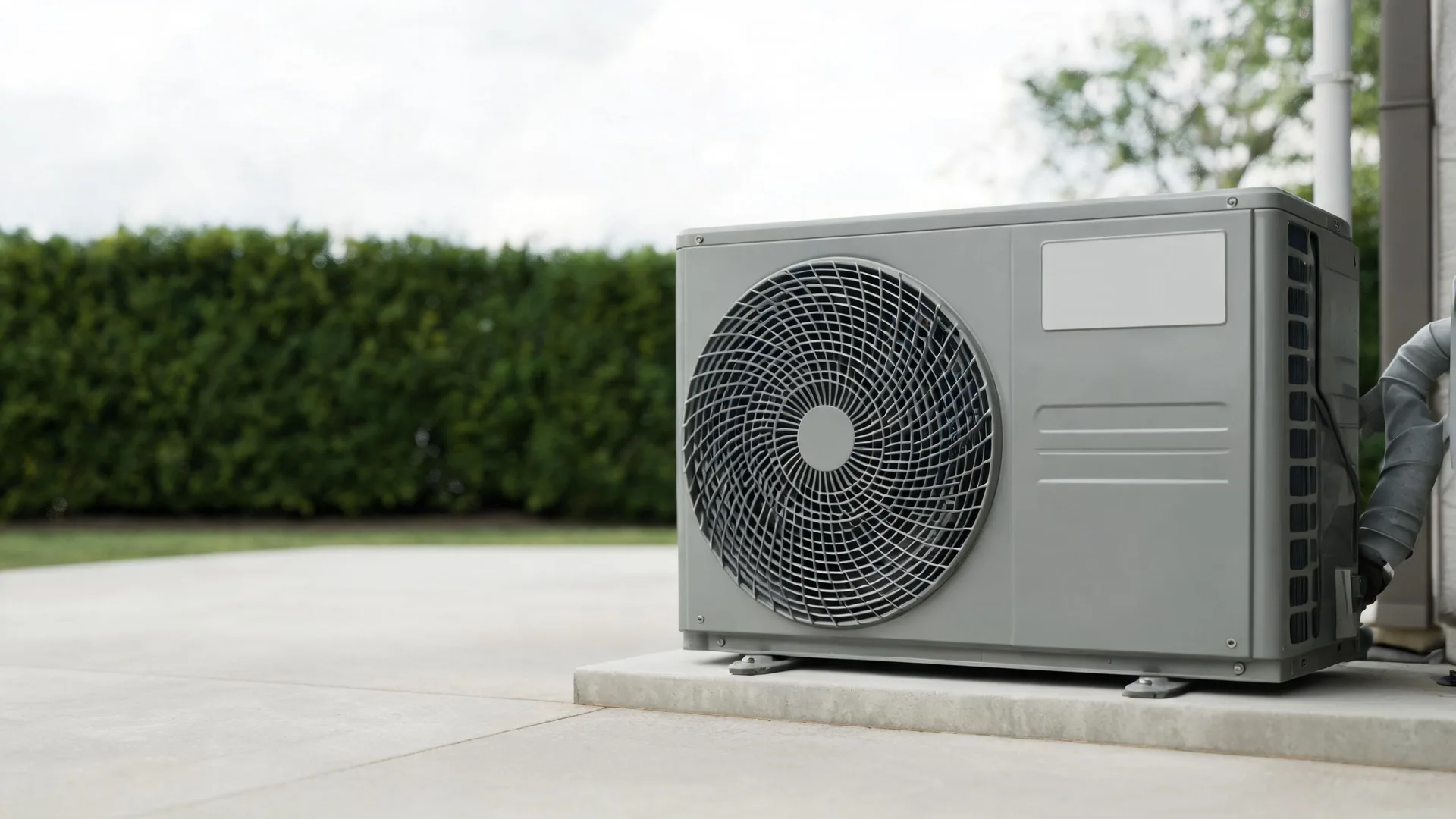
A normal summer's work
Grayson County runs its AC from May through September, with afternoons averaging 87°F in June, July and August. That's a normal cooling load, not a punishing one, so a unit breaking down here isn't a sign of anything unusual.
Takes about a minute. No obligation.
Grayson County runs its AC from May through September, with afternoons averaging 87°F in June, July and August. That's a normal cooling load, not a punishing one, so a unit breaking down here isn't a sign of anything unusual.
A capacitor, a contactor, a low charge, a dirty coil. These are the things that actually wear out and cause trouble. Finding which one it is matters more than looking for some special strain on the system.
NOAA nClimDiv, 1991–2020 normals
AC in Grayson County starts in May and runs through September.
April is the month to get a weak unit looked at, before the first hot stretch finds the part that's about to fail.



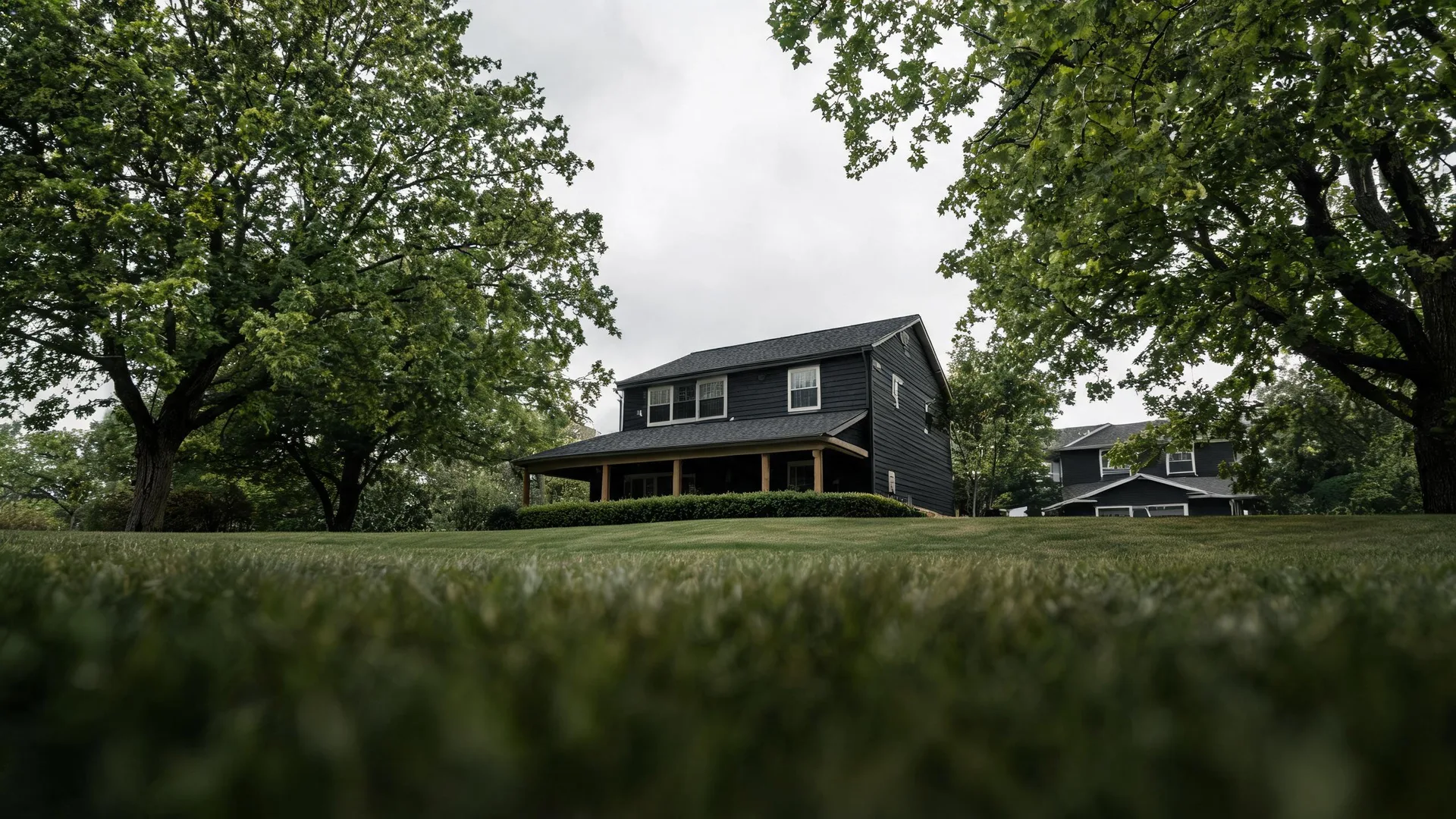
Half the homes in Grayson County were built in 1988 or later. If yours is one of them, the age of the house tells you something about the age of the system. A unit that came in with a newer build usually hasn't logged the years that lead to real failure, the kind where the compressor itself gives out. More likely it's one part, worn down on its own schedule, not the house's. That's a repair, not a reason to start pricing a new system.
A repair call will find the actual part, whether that's a capacitor, a contactor, or a low charge. If your house is one of the newer ones here, that's reason enough to get it fixed rather than replaced.
Find a contractorA unit that runs every afternoon all summer doesn't fail without warning signs first. Warm air coming out of the vents when the thermostat is set low is usually the first one. The outdoor unit running but not cooling, or cycling on and off every few minutes instead of holding a steady stretch, is another. Ice on the indoor coil or on the copper line running to the outdoor unit means something's wrong with airflow or refrigerant, not the weather. A hum from outside with the fan not turning points to the fan motor or capacitor. Water pooling near the indoor unit instead of draining outside means the condensate line is clogged or the pan has cracked. None of these mean the whole system is done. They mean one part is on its way out, and the sooner it gets looked at, the less chance it has of taking another part down with it.
A capacitor weakens over time and stops giving the compressor and fan motor the jolt they need to start. A contactor pits and burns from switching on and off thousands of times. Both cause the same symptom, the outdoor unit humming or not starting at all. Neither means anything else is wrong.
A dirty filter or blocked return starves the indoor coil of airflow, and the coil ices over. Low refrigerant does the same thing from the other direction. Either way the system keeps running while it cools less and less. Left alone, the compressor ends up working harder than it's built for. Catching it at the coil is a repair. Catching it late can mean more than that.
Estimates for a typical Grayson County home, compared with an older unit built to the previous federal minimum, from EIA household energy data, Kentucky fuel prices and NOAA climate normals. Your home will differ.
Repair makes sense when a part like a capacitor or contactor has failed.
Replacement makes sense when the compressor has failed or the system uses R-22 refrigerant, which is no longer made.
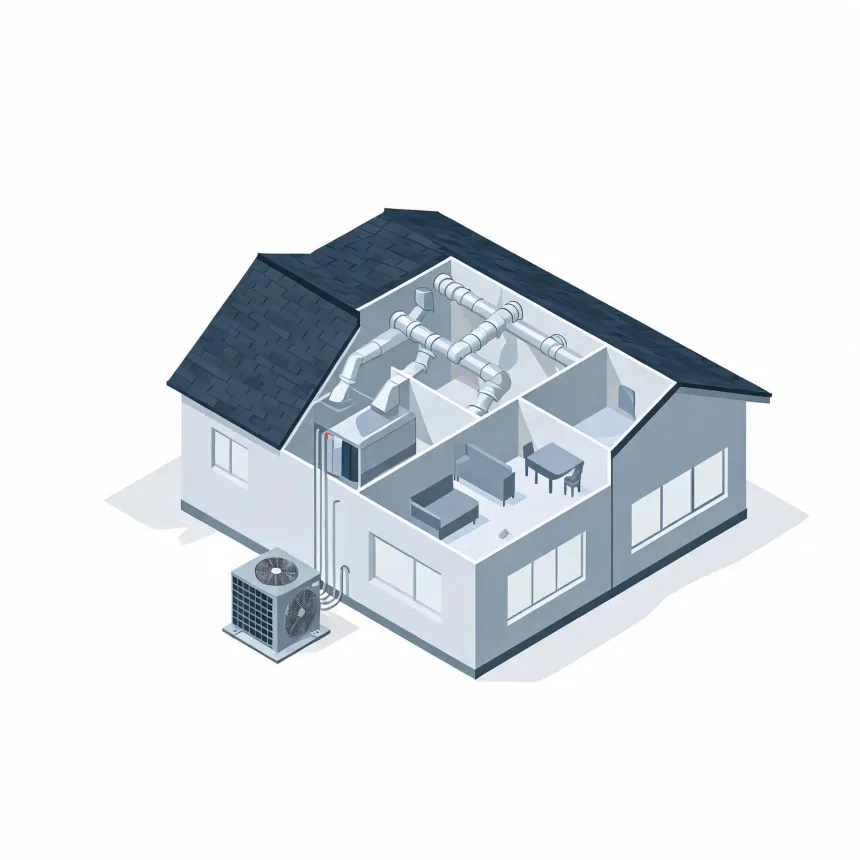
A diagnostic visit starts outside, at the condenser. A tech checks whether the compressor and fan are running, listens for the hum of a bad capacitor, and tests the capacitor and contactor with a meter rather than guessing by age or looks. Refrigerant pressure gets checked at the service ports, since too little means a leak somewhere in the line set or coil. Inside, the return airflow and the filter get checked too, because weak airflow shows up as the same symptoms as a refrigerant problem. The condensate line gets checked for a clog while they're at it. Most of this takes measurements, not guesswork, and a tech can usually point to the failed part before anything gets opened up or replaced.