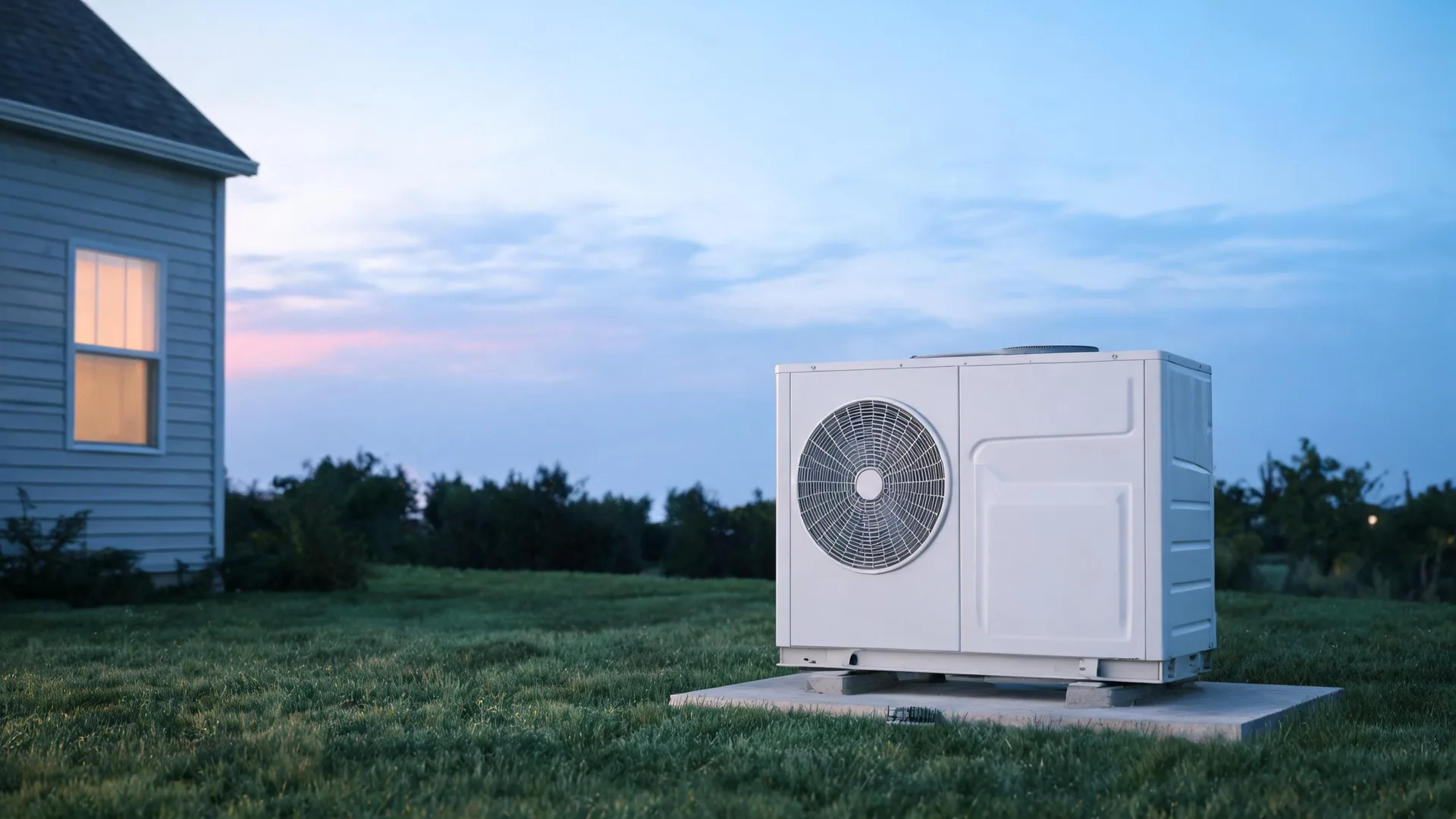
Four months of real work
AC here runs June through September, with afternoon highs averaging 85°F. That's enough of a stretch for a worn part to finally show itself once the system has been cycling for weeks straight.
Takes about a minute. No obligation.
AC here runs June through September, with afternoon highs averaging 85°F. That's enough of a stretch for a worn part to finally show itself once the system has been cycling for weeks straight.
Covington doesn't put any unusual strain on a home's cooling system. When something goes wrong, it's almost always a part a technician has seen many times before, not a sign the whole unit is failing.

NOAA nClimDiv, 1991–2020 normals
Check the air filter before anything else.
A clogged filter chokes airflow and can make a working system act like a broken one.



Nothing about this area is especially hard on it. It's most likely the usual problem with the usual fix.
Find a contractor
Warm air coming out of the vents is the clearest sign, and usually the first one noticed. Sometimes it means the system is low on refrigerant, sometimes it means the compressor is struggling. Short cycling is another one to watch for, where the system turns on, runs for a few minutes, then shuts off before the house actually cools. That's hard on the compressor and usually points to a thermostat problem, a dirty coil, or an electrical issue. Water pooling near the indoor unit means the condensate line is clogged or the drain pan has rusted through. A hissing or bubbling sound can mean a refrigerant leak. Grinding, screeching or rattling almost always means a motor bearing or a loose part, and it won't fix itself by waiting. If the system is running but the air doesn't feel as cold as it used to, that's often a gradual refrigerant leak rather than a single failure, which is why it's easy to miss at first. Any of these is worth a call before the part it's connected to fails completely.
A compressor low on refrigerant or losing its charge will still run, but every hour it runs that way adds strain. It can overheat, trip its own safety switch, or wear out the start components faster than it should. A repair caught early stays a repair. Left running, the compressor itself can fail.
When the coil stays dirty or the condensate line stays blocked, the system doesn't just cool less. The water has to go somewhere, usually the drain pan, the cabinet, or the floor underneath. Letting the system keep running while that's happening turns a simple cleaning into standing water and a damaged pan.
Estimates for a typical Kenton County home, compared with an older unit built to the previous federal minimum, from EIA household energy data, Kentucky fuel prices and NOAA climate normals. Your home will differ.
Repair makes sense when a part like a capacitor or contactor has failed.
Replacement makes sense when the compressor has failed or the system uses R-22 refrigerant, which is no longer made.
A repair is worth doing when the part that failed is a part on its own, a capacitor, a contactor, a fan motor, something a technician can replace without the rest of the system being affected. Replacement starts to make more sense when the compressor itself is the problem, since that's the most expensive part in the system and the labor to get at it isn't cheap either. Age matters too, but not on its own. A system that's needed a few different repairs over a couple of years is telling you something that one bad capacitor isn't. The other thing worth asking is whether the refrigerant it uses is still easy to get. If a system needs an older refrigerant that's being phased out, even a simple leak repair can turn into an expensive one, and that tips the math toward replacing it instead.