




A quiet residential street at dusk lined with illuminated two-story brick houses and mature trees.

AC Maintenance in Shelbyville, KY

Tell us about the job

Takes about a minute. No obligation.

Tune-up, service, or cleaningCentral ACShelby County, KY
Step 1 of 2

What ZIP code is the job in?

A system that needs a look doesn't always announce it with a breakdown. Warm air coming from a vent that used to run cold is one sign, even if the unit still turns on and runs. A hissing or bubbling sound near the indoor coil can mean the refrigerant charge is low. If the outdoor unit cycles on and off more than it used to, something is making it work harder than it should. Water pooling near the indoor unit points to a clogged condensate line, and that's worth catching before it backs up further. None of these mean the system is about to quit, but each one is the kind of thing a tech checks before it turns into a bigger repair.

5 months
May through September, your air conditioner is on duty
85°F
the average summer afternoon it cools against
21 hail events
in ten years, and hail bends the fins on outdoor coils
50 wind events
in ten years, and wind drives debris into outdoor units
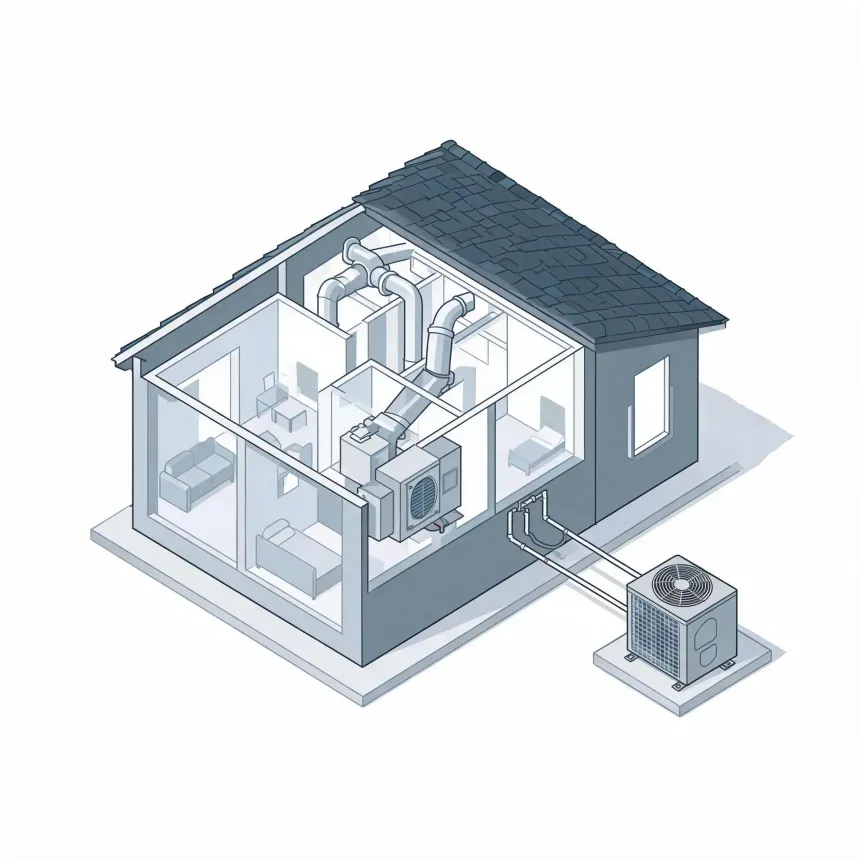
Isometric cutaway illustration of a small house showing interior rooms with furniture, an indoor air handler with ducts in the attic space, and refrigerant lines running to an outdoor condenser unit on a pad.
Your air conditioner works hardest from June through August.

NOAA nClimDiv, 1991–2020 normals

AC in Shelby County runs May through September.

April is when a tech can still get to your unit before that first hot stretch hits.

Half the homes here were built by 1993, young enough that a yearly check pays off

Half the homes here were built by 1993
Cooling runs May through September
Summer afternoons average 85°F

Shelby County gets its share of rough weather, with damaging wind the most common at 50 events over the past decade. None of that changes how often your AC needs a look. Wind and hail can knock out power or rattle the outdoor unit, but they don't wear down a capacitor or a refrigerant line any faster. Most units come back on and run fine once power is restored after a storm. What actually matters is catching a weak part before summer puts the system to work, which is what the yearly check is for.

Book it before the season

It starts running hard in the first month of the season here. Book the check the month before.

Find a contractor
A gray metal air conditioning condenser unit mounted on a concrete pad in a flat grassy field under a partly cloudy sky.

What a real tune-up actually touches

A rushed check confirms the unit turns on and blows cold, then moves on to the next job. That tells you the system runs today. It doesn't tell you much else. A thorough check starts outside. The condenser coil gets washed, not just glanced at, because a coil packed with dirt and grass clippings makes the whole system work harder to shed heat. The refrigerant charge gets measured against what the manufacturer specifies, not eyeballed. Inside, the blower wheel gets pulled and cleaned if it's caked, since a dirty wheel moves less air no matter how strong the motor is. The capacitor gets tested under load. A capacitor can read fine sitting still and still be too weak to start the compressor on a hot afternoon. The condensate line gets flushed so it won't back up later in the season. A tech who checks refrigerant pressure without checking airflow first is treating a symptom, not the system. Ask what got cleaned and what got measured. If the answer is just a pressure reading and a filter swap, that's a glance, not a check.

What's building up where you can't see it

The evaporator coil sits inside the air handler, out of sight, and dust settles on it the same way it settles on a windowsill. A thin layer is normal. A thick one acts like a blanket, keeping the coil from pulling heat out of the air the way it should. A tech pulls the panel and looks at the coil face directly instead of guessing from how the system sounds.

Why the system can look fine and still be failing

A contactor can have pitted, burned contacts and still close the circuit every time you ask it to, right up until the day it doesn't. A tech checks it by eye, not just by whether the unit starts. Catching a part like that during a tune-up means replacing it on a mild day instead of finding out it failed on the hottest one.

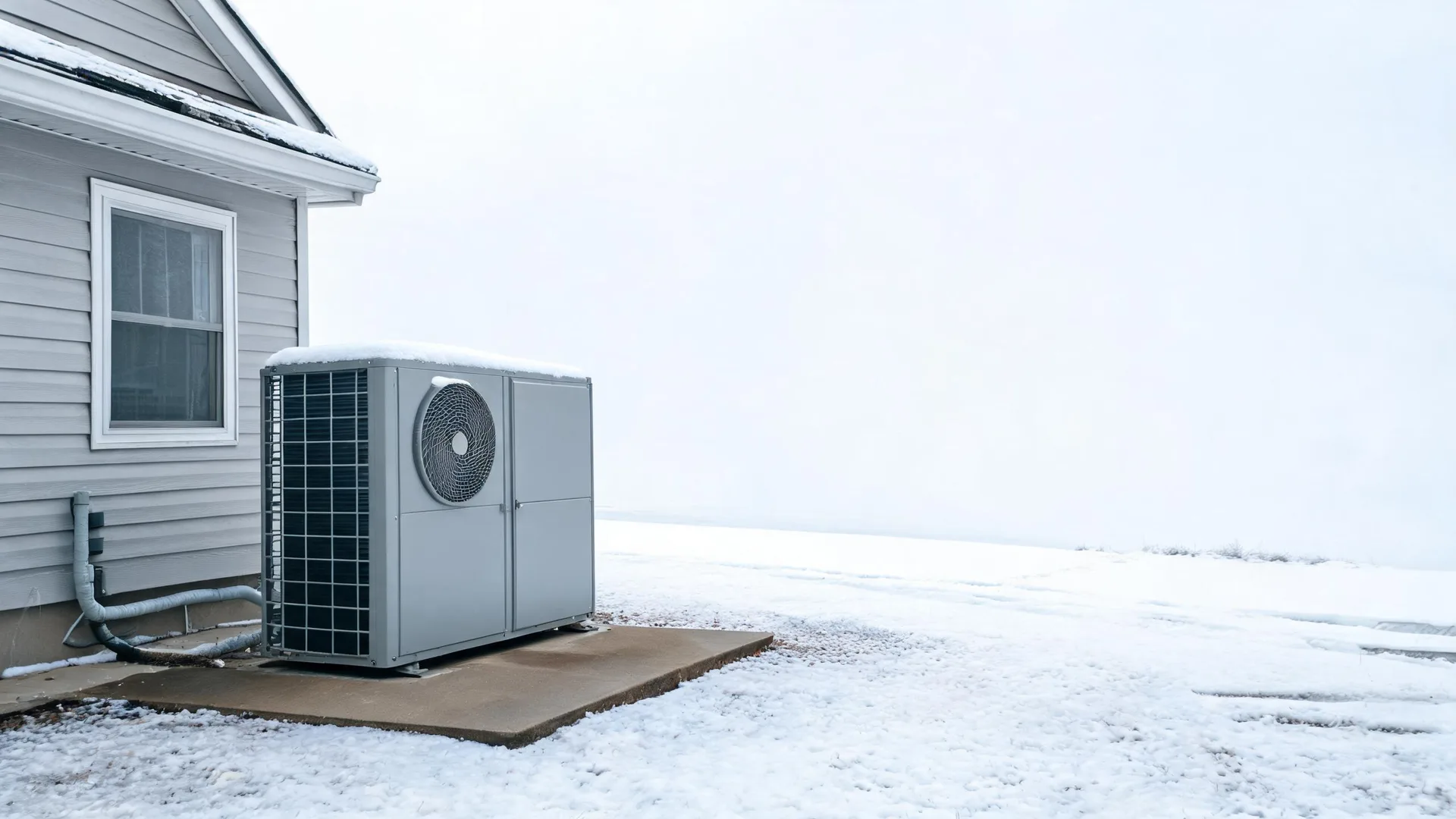
Aerial view of a residential air conditioning condenser unit mounted on a concrete pad next to a house with vinyl siding and a sliding glass door.

Book your AC tune-up in April, before homes here start needing cooling in May.

  1. Jan
  2. Feb
  3. Mar
  4. Apr
  5. May
  6. Jun
  7. Jul
  8. Aug
  9. Sep
  10. Oct
  11. Nov
  12. Dec

A tune-up checks the refrigerant charge, cleans the coils, tests the capacitor and tightens the electrical connections.

A tune-up also means looking at what the system can't tell you by running. A tech checks the blower motor's amp draw against what it should pull, since a motor can still spin and still be dragging more current than it should. The wiring at the disconnect box gets a look for scorch marks or loose lugs, because a loose connection heats up long before it fails outright. Refrigerant lines get checked for the oily residue that means a slow leak, not just topped off and sent on. The thermostat gets tested too, since a sensor reading a few degrees off will run the compressor longer than the house actually needs. None of this shows up when the system is just blowing cold on the day someone looks at it.