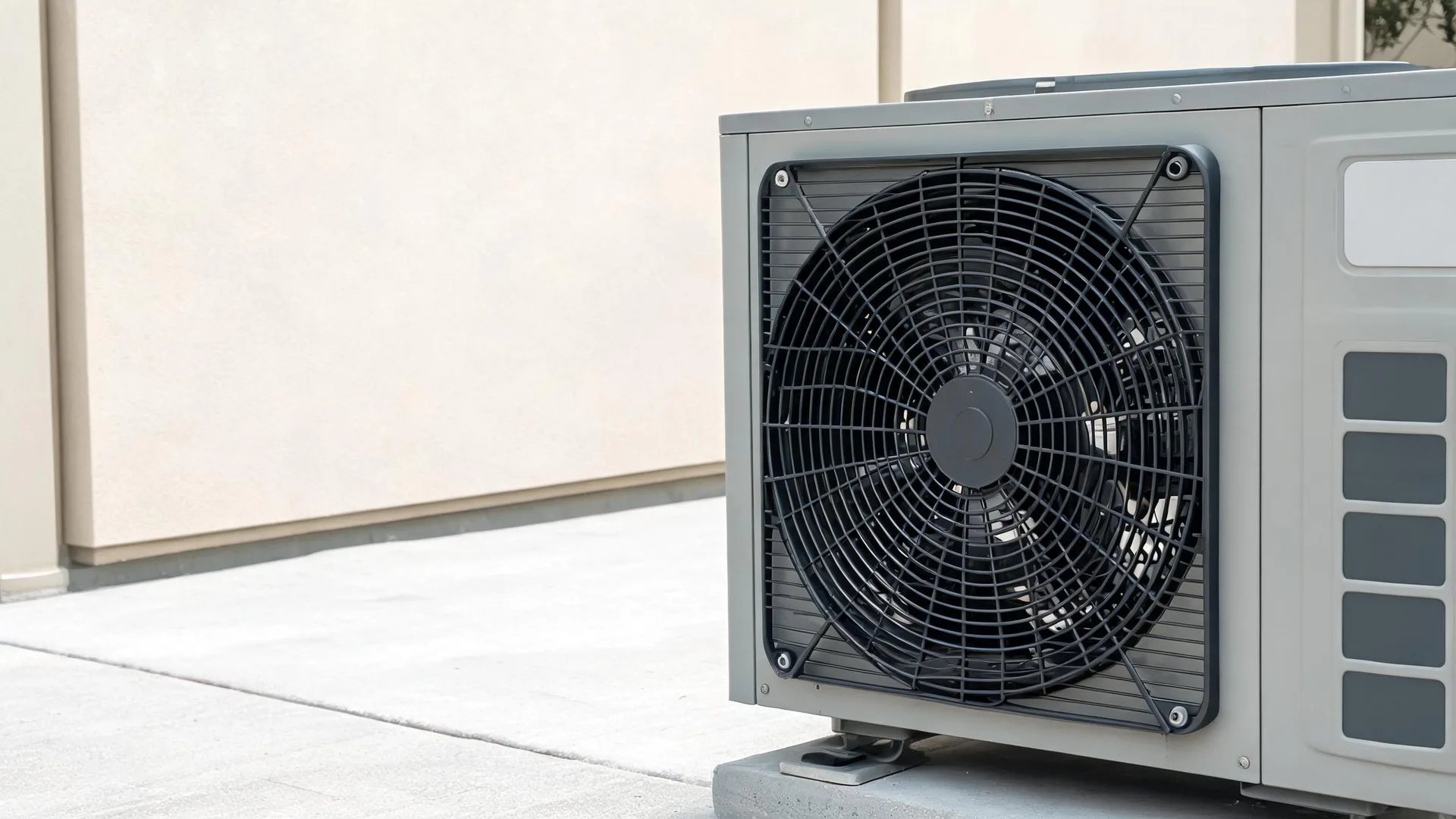
A few things tell you the system wants a look before it quits outright. Warm air out of the vents when the thermostat is set cold is the big one. So is a unit that runs and runs without the house ever feeling comfortable, or one that clicks on and off in short bursts instead of settling into a steady cycle. Listen for it too. A hum or rattle that wasn't there before usually means a fan blade is loose or a motor bearing is wearing out. Water pooling near the indoor unit points to a clogged condensate line, and that one gets worse the longer it sits. None of these mean the system is done for. They mean it's asking for a check before a small problem turns into a compressor replacement.
4 months
June through September, your air conditioner is on duty
86°F
the average summer afternoon it cools against
16 hail events
in ten years, and hail bends the fins on outdoor coils
98 wind events
in ten years, and wind drives debris into outdoor units
Your air conditioner works hardest from June through August.
Jan
Feb
Mar
Apr
May
Jun
Jul
Aug
Sep
Oct
Nov
Dec
NOAA nClimDiv, 1991–2020 normals
Cooling runs about four months a year here, June through September.
One tune-up before the season starts covers the work this system does.
One check before June covers it
Half the homes here were built by 1982Cooling runs June through SeptemberSummer afternoons average 86°F
May is for the AC checkCooling starts in June and runs through September here.
The filter is the easiest thing to ignore and the one that causes the most trouble. A dirty filter starves the system of airflow, and the evaporator coil behind it gets so cold it ices over instead of pulling heat out of the air. Once that coil freezes, the system is just running without cooling anything. The outdoor coil has the opposite problem. It sits outside collecting leaves, grass clippings and dust, and once it's caked over it can't dump heat the way it needs to, so the compressor works harder and runs hotter than it should. Then there's the condensate drain, the small line that carries off the water the system pulls out of the air. It clogs with algae and dirt over time, and when it does, that water backs up and finds the nearest place to go, usually onto the floor or the ceiling below. Keeping the filter, both coils and the drain clear is what lets the system cool the way it was built to.
Skip it enough years and the compressor pays for it
A system that never gets looked at doesn't fail all at once. It loses ground a little at a time. The refrigerant charge drifts low from a slow leak that was never caught, so the compressor runs longer to make the same cooling, and that extra runtime wears the bearings and the windings faster than they should wear. A coil that stays dirty makes the same thing happen from the other direction. Heat can't move across it the way it needs to, so the compressor works harder on every cycle whether the charge is right or not. None of that shows up as a breakdown right away. It shows up years later as a compressor that gave out before it should have.
What gets measured, not guessed at
A tune-up checks the refrigerant charge against what the system is supposed to hold, using the pressures and the temperature of the line coming back to the compressor. Low charge from a slow leak won't show up as warm air right away. The system still cools, just not as well, and it keeps losing ground until someone puts a gauge on it.
What the eye alone misses
A capacitor that's about to fail usually still starts the compressor and the fan, right up until the day it doesn't. Checking it under load, and checking that the contactor isn't pitted or burnt where it closes, catches the part that's close to done before it strands the system mid-summer.
Book your AC tune-up in May, before homes here start needing cooling in June.
Jan
Feb
Mar
Apr
May
Jun
Jul
Aug
Sep
Oct
Nov
Dec
A tune-up checks the refrigerant charge, cleans the coils, tests the capacitor and tightens the electrical connections.
A tune-up starts with the electrical side, since that's what strands a system mid-cycle. The contactor gets pulled and checked for pitting. The capacitor gets tested under load, not just glanced at, since a weak one can still start the compressor right up until the day it can't. The wiring gets looked over for anything chewed or loose at the terminal. From there it's the refrigerant side. Pressures get checked against what the system should be running, and the line temperature at the compressor shows whether the charge is right. The blower wheel gets pulled and cleaned if it's caked with dust, since a dirty wheel moves less air no matter how clean the coil is. Last is the drain, flushed clear so it isn't the thing that fails first. None of this takes apart the system. It checks the parts that quietly wear until the day they don't.