





An outdoor air conditioning condenser unit installed beside the exterior wall of a blue vinyl-sided house at sunset.

AC Maintenance in Paducah, KY

Tell us about the job

Takes about a minute. No obligation.

Tune-up, service, or cleaningCentral ACMcCracken County, KY
Step 1 of 2

What ZIP code is the job in?

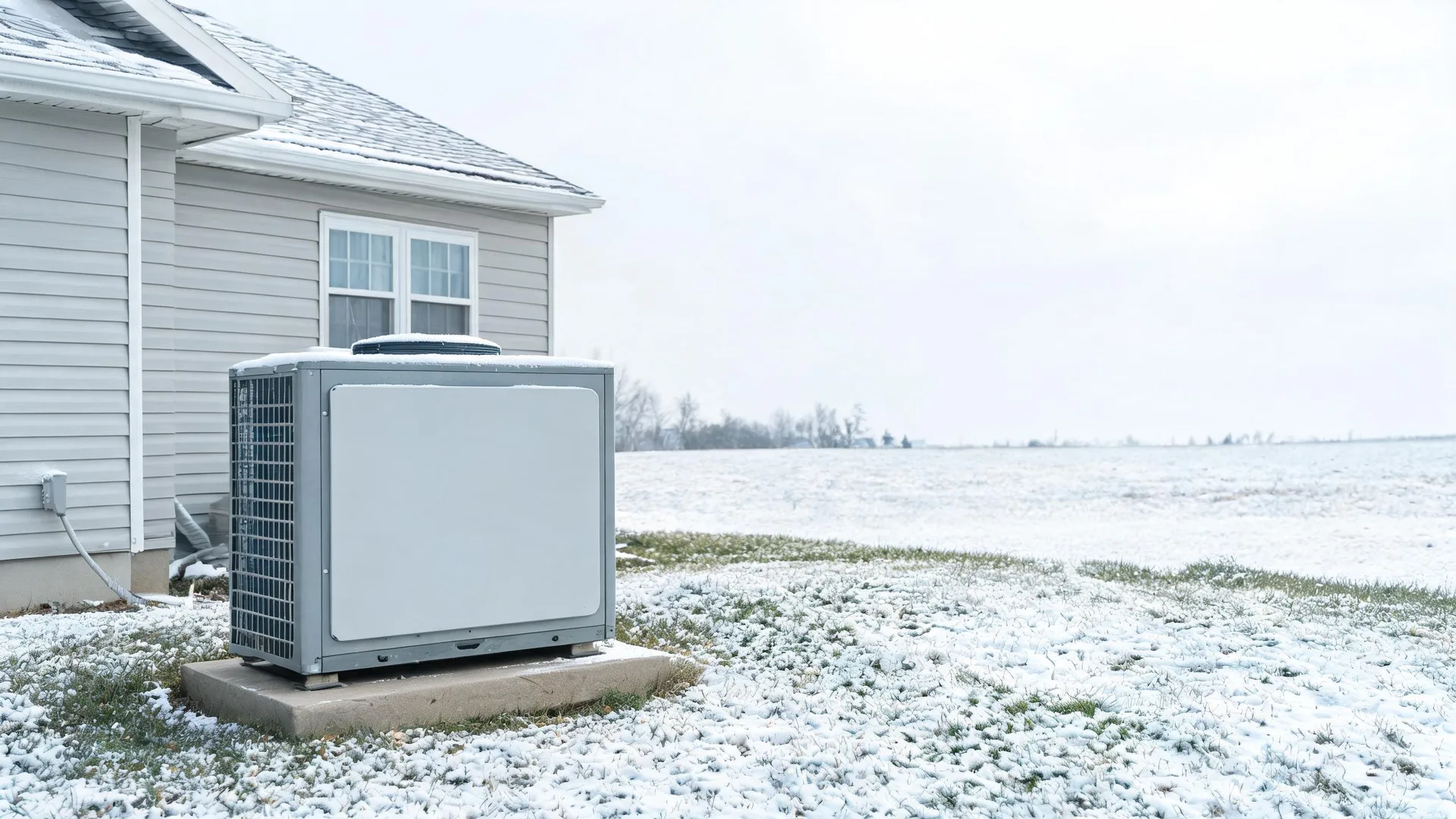
Between visits, check the air filter and change it when it looks gray or clogged. A dirty filter chokes airflow across the evaporator coil, and that coil can ice over before you notice anything wrong. Walk outside once in a while and look at the condenser unit. Clear away leaves, grass clippings and anything growing up against it, and keep a couple feet of open space around it so it can dump heat the way it's supposed to. Inside, make sure nothing is stacked against your supply vents or return grille. Beyond that, leave the inside of the unit alone. The capacitor, the contactor and the refrigerant charge aren't things to check yourself, and that's what the service visit is for.

5 months
May through September, your air conditioner is on duty
88°F
the average summer afternoon it cools against
15 hail events
in ten years, and hail bends the fins on outdoor coils
96 wind events
in ten years, and wind drives debris into outdoor units
Isometric line illustration of a cutaway house showing interior rooms with furniture, ductwork leading to an indoor air handler, and an outdoor condenser unit connected by a line set.
Your air conditioner works hardest from June through August.

NOAA nClimDiv, 1991–2020 normals

One visit a year is enough to catch what goes wrong in a Paducah AC.

Skip that visit and small problems sit unnoticed until the unit fails during a power outage.

One summer, one visit, half these houses built before anyone worried about SEER ratings

Half the homes here were built by 1978
Cooling runs May through September
Summer afternoons average 88°F

May is when cooling starts here, and it starts hard, not gradually. Homes in McCracken County run the AC from May through September, five months straight with the system working close to full time. April is the month to get it looked at. A capacitor that's weakening or a charge that's a little low usually still gets you through a mild stretch, but it won't hold up once the unit is running most of the day. Get the check done in April and whatever's wearing out gets found before the season asks anything of it.

Five months of heat wears parts down. Check them before summer does.

Afternoons here average 88°F through June, July and August, and the AC runs close to five months straight to keep up with it. That kind of stretch wears on a capacitor or a contactor faster than a mild summer would. Get those checked before the system is running all day, every day.

Find a contractor
A gray cylindrical air conditioning condenser unit mounted on a concrete pad next to a light-colored vinyl-sided house exterior.

Months of running wears specific parts, not the whole unit

A system that runs for months without a break shows wear in the same few places every time. The capacitor loses its charge slowly, so the compressor and fan motor start pulling harder to get going. The contactor's contacts pit and burn a little every time they close, until one day they don't close cleanly. The condenser fan motor bearings dry out from the heat cycling on and off, and the fan starts running louder or slower than it used to. None of this announces itself. The unit still turns on, still blows cold air, right up until the weak part finally gives out. A yearly check catches these while they're still weak, not dead. A tech can test the capacitor's actual output against what it's rated for, check the contactor for pitting, and listen to the fan motor for the grinding or humming that means the bearings are going. That's the kind of wear you can't see from the kitchen window.

The drain line backs up quietly

The evaporator coil pulls moisture out of the air as it cools it, and that water has to go somewhere. It drips into a pan and out through a condensate line. Algae and dirt build up inside that line over time and narrow it until water backs up into the pan instead of draining away. A clogged drain won't slow the cooling down at all, right up until the pan overflows.

The coil is where filter and drain problems meet

A dirty filter and a dirty drain both end up at the same part. Airflow that's choked by a filter lets the coil run colder than it should, and a cold enough coil starts icing over. Once ice builds on the coil, the meltwater can overwhelm the drain pan even if the line was clear to begin with. Keeping the filter clean is what keeps the coil from icing in the first place.

An outdoor air conditioning condenser unit positioned on a concrete pad next to a blue-sided house, surrounded by green shrubs and flowering hydrangeas at sunset.

Book your AC tune-up in April, before homes here start needing cooling in May.

  1. Jan
  2. Feb
  3. Mar
  4. Apr
  5. May
  6. Jun
  7. Jul
  8. Aug
  9. Sep
  10. Oct
  11. Nov
  12. Dec

A tune-up checks the refrigerant charge, cleans the coils, tests the capacitor and tightens the electrical connections.

A tune-up is more than a glance at the unit. A tech checks refrigerant charge against what the system calls for, since too much or too little makes the compressor work harder either way. The capacitor gets tested under load, not just looked at, because a capacitor can read fine sitting still and still fail to start the compressor. The contactor gets checked for pitting on the contacts. Electrical connections get tightened, since a loose connection heats up and burns before it ever trips a breaker. The condenser coil gets cleaned if it's caked with dirt, because a dirty coil can't dump heat the way it needs to. The drain line gets checked for algae buildup before it backs up into the pan. None of this is guesswork. It's the same handful of parts checked the same way, because those are the parts that wear out first.