


A quiet residential street at dusk lined with illuminated two-story brick houses and mature trees.

AC Maintenance in Bowling Green, KY

Tell us about the job

Takes about a minute. No obligation.

Tune-up, service, or cleaningCentral ACWarren County, KY
Step 1 of 2

What ZIP code is the job in?

Warren County logged 142 severe weather events between 2015 and 2024, counting damaging wind, hail and tornadoes. Your outdoor unit sits outside through all of it, exposed to hail dents, wind-blown branches, whatever debris ends up against the coil. A bent fin or a cracked line doesn't always show itself right away. It shows up on the first hot day you need the system to work.

5 months
May through September, your air conditioner is on duty
88°F
the average summer afternoon it cools against
22 hail events
in ten years, and hail bends the fins on outdoor coils
98 wind events
in ten years, and wind drives debris into outdoor units
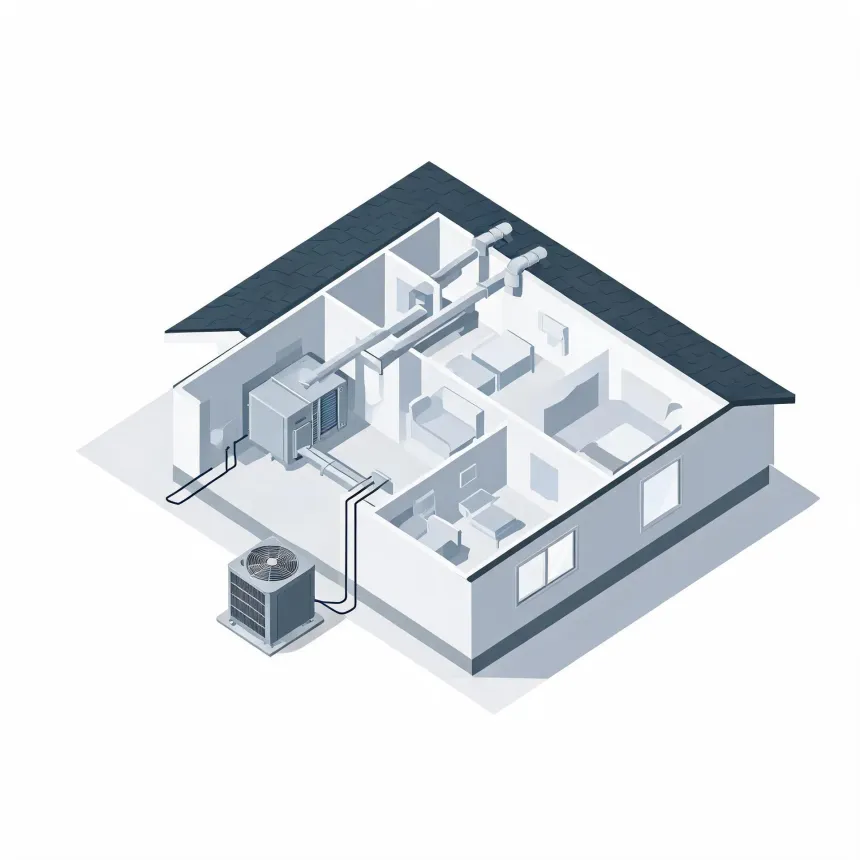
Isometric cutaway illustration of a single-story house showing interior rooms, ceiling ductwork, an indoor air handler, and an outdoor condenser unit connected by lines, in gray and white tones on a white background.
Your air conditioner works hardest from June through August.

NOAA nClimDiv, 1991–2020 normals

AC runs in Warren County from May through September.

April is when a tech can check your system before it has to run hard.

Newer homes, systems still worth protectingHalf the homes in Warren County were built in 1993 or later

Skip a season of maintenance and the first thing to go is airflow. Dust builds up on the coil, the filter loads up, and the system has to work harder to move the same amount of air. It'll still cool the house, so nothing seems wrong. But the compressor is running longer to do the same job, and heat that should transfer off the coil can't get away as easily. Run it like that long enough and the compressor is what fails, not the filter that caused it. That's the part nobody wants to replace, and the one a clean coil and a fresh filter were protecting the whole time.

A system this age is worth keeping that way

If your AC went in with the house, it's got years ahead of it. A yearly check before summer is what keeps it running the way it's running now, instead of losing ground a little at a time.

Find a contractor
A gray residential air conditioning condenser unit mounted on a concrete pad outdoors, surrounded by green grass under a partly cloudy blue sky.

The system usually tells you before it fails

A system doesn't usually quit without warning. It tells you first. The air comes out warmer than it used to, or it takes longer to bring a room down. You hear the outdoor fan cycling on and off instead of running steady. Ice shows up on the lines running into the house, which means airflow across the coil has dropped off or the charge is low, and either one is worth catching before the compressor has to work through it. A musty smell when the system kicks on usually means moisture sitting somewhere it shouldn't, often on a coil that's overdue for a cleaning. None of these stop the house from cooling. That's what makes them easy to miss, and why a check before the season starts catches them while they're still small.

A gauge set comes out, not just a glance

A quick visit gets you a filter swap and a look at the outside unit. A thorough one puts gauges on the system to check refrigerant pressure, checks the capacitor's actual output against what it's rated for, and pulls the blower panel to look at the wheel for dust buildup. Anyone can tell you the system turned on. Fewer techs can tell you it's going to hold up through the next heat wave.

The coil gets washed, not wiped

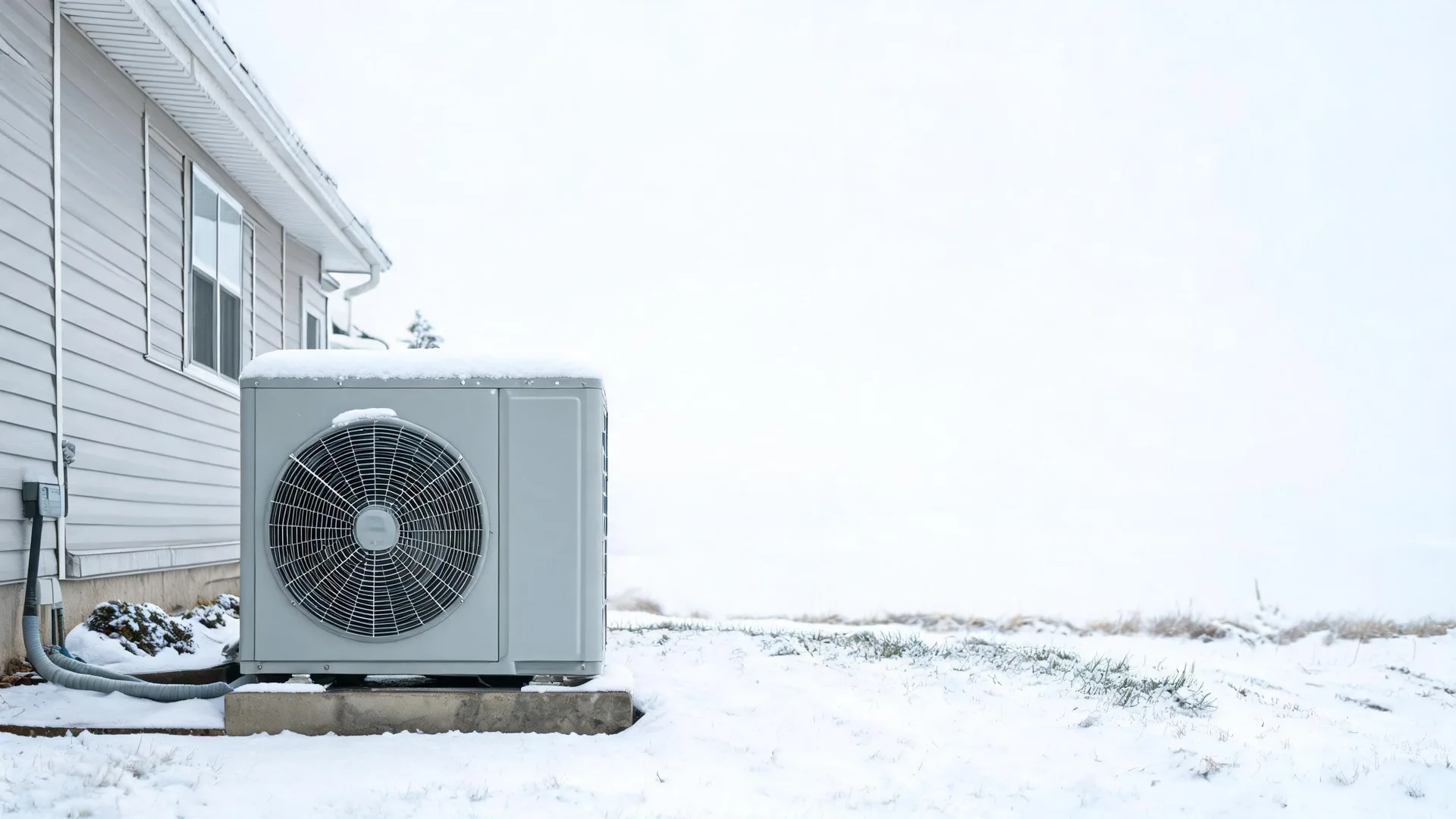
Dust on the outdoor coil blocks airflow the same way a dirty filter does, and wiping the fins or hosing them off from the outside barely touches what's packed between them. A real cleaning means washing the coil through, front and back, so the fins can actually give up heat the way they're supposed to. Skip that step and the unit looks serviced while it's still working harder than it needs to.

Overhead view of an air conditioning condenser unit on a concrete pad next to a house with asphalt shingle roofing and vinyl siding.

Book your AC tune-up in April, before homes here start needing cooling in May.

  1. Jan
  2. Feb
  3. Mar
  4. Apr
  5. May
  6. Jun
  7. Jul
  8. Aug
  9. Sep
  10. Oct
  11. Nov
  12. Dec

A tune-up checks the refrigerant charge, cleans the coils, tests the capacitor and tightens the electrical connections.

A tune-up worth paying for follows a checklist, not a glance. The tech checks refrigerant charge against what the system calls for, since too little or too much both make the compressor work harder than it should. Electrical connections get checked and tightened, because a loose connection generates heat and heat wears out parts faster than normal running does. The condensate drain gets checked too, since a clogged one backs up and can shut the system down or leave water where it shouldn't be. The contactor and capacitor get tested under load, not just looked at, because a capacitor can read fine sitting still and still fail the moment the compressor asks something of it. Blower wheel, coil, filter, refrigerant, electrical, drain. Skip one and you've still got a system that starts up fine and looks done.