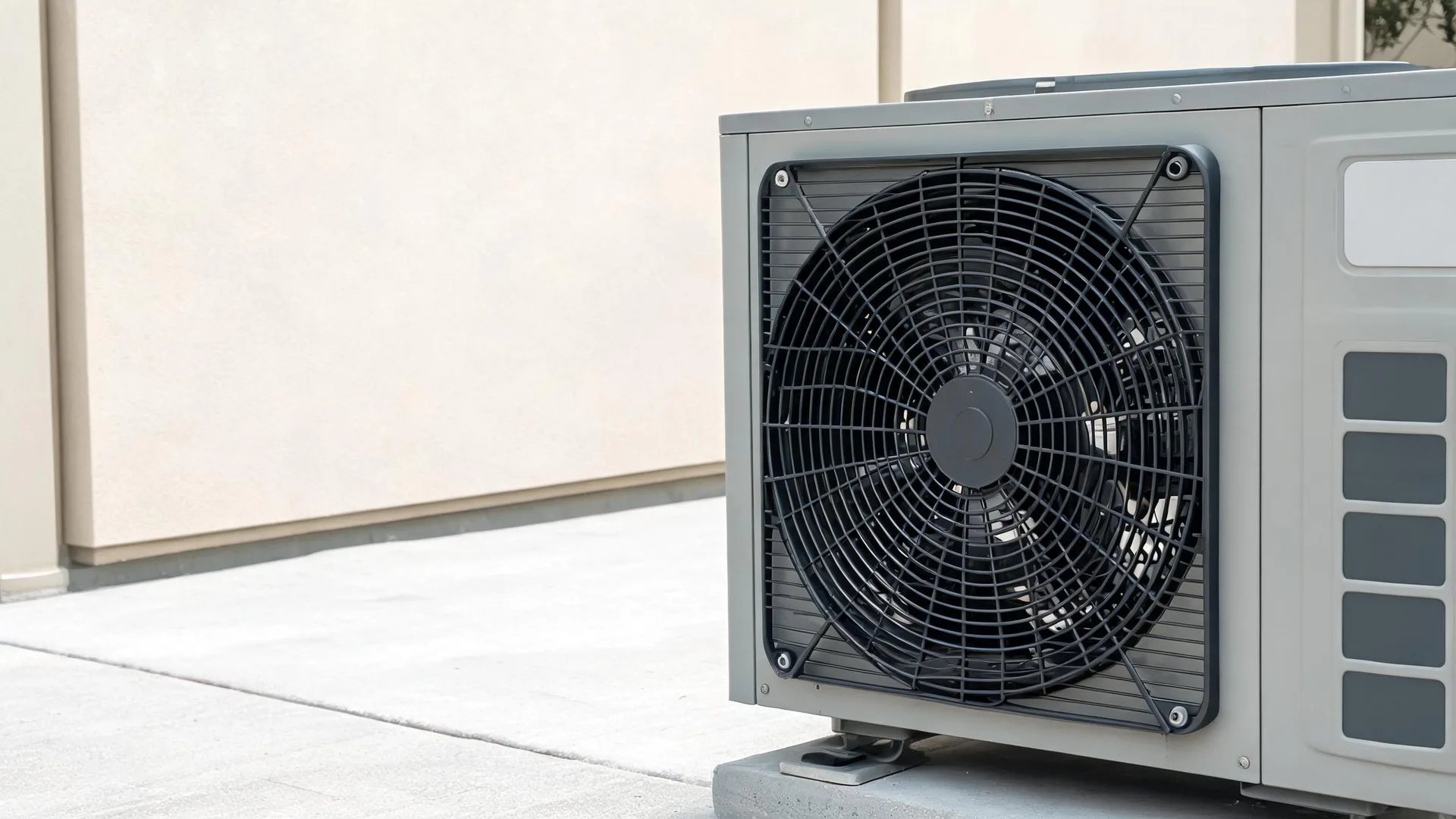
Between visits, the main thing a homeowner can do is keep the filter clean. A clogged filter starves the system of airflow, and the coil behind it can ice over when that happens. Check it by holding it up to a light. If you can't see through it, swap it out. Outside, keep the condenser clear of grass clippings, leaves and anything growing against it, since that unit needs open air on all sides to shed heat. Inside, pay attention to the vents in each room and make sure furniture or rugs aren't blocking them. If you notice the system running longer than it used to, or hear it cycling on and off more than usual, that's worth mentioning at the next service rather than waiting.
4 months
June through September, your air conditioner is on duty
85°F
the average summer afternoon it cools against
9 hail events
in ten years, and hail bends the fins on outdoor coils
32 wind events
in ten years, and wind drives debris into outdoor units
Your air conditioner works hardest from June through August.
Jan
Feb
Mar
Apr
May
Jun
Jul
Aug
Sep
Oct
Nov
Dec
NOAA nClimDiv, 1991–2020 normals
A dirty coil can't shed heat, so the compressor runs longer to reach the same temperature.
Years of that extra strain wear out a compressor long before one bad part ever would.
Four months of real work, one visit to get ready for it
Cooling runs June through SeptemberSummer afternoons average 85°FPower costs 12.79 cents a kWh statewide
Danville AC MaintenanceHalf the homes in Boyle County were built in 1978 or earlier, half later. Either way, one visit a year covers it.
A technician checks the refrigerant charge with gauges, because a system can be low on charge and still blow cold air at the vent for a while before the drop in cooling becomes obvious. They'll pull the capacitor and test it under load, since a capacitor can read fine sitting still and still fail to kick the compressor on under a real draw. The contactor gets a look too, for pitting from the arc every time it closes. Drain lines get flushed, because algae builds up slowly inside where you'd never see it, and a clogged line backs water up into the pan long before it shows up as warm air at the vent. None of this is visible from the thermostat. It only shows up on a gauge or under a meter.
A system that runs for months straight is always moving air across that filter and across the coil behind it. Whatever the filter doesn't catch lands on the coil instead, and a coil coated in dust can't transfer heat the way a clean one does. The system has to run longer to make up for it, and that longer runtime pulls more dust onto the coil, so the problem feeds itself over a season. The drain works the same way in reverse. It only has to carry away what the coil pulls out of the air, but it does that for months without a break, and a line that was clear in spring can be slow by the time the system finally shuts off for the year.
Warm air at the vent isn't the first sign
A system losing its edge usually shows up as longer runtimes before it ever shows up as warm air. The compressor works harder to hit the same temperature, and a homeowner reads that as normal because the air coming out still feels cool. By the time you can feel the difference at the vent, the strain has already been there a while.
A sound that wasn't there before means something changed
A hum that turns into a rattle, a click that repeats instead of firing the compressor once, a hiss near the lines. None of these fix themselves, and none of them are safe to wait out through the rest of the season. A technician hearing it early can usually trace it to one part. Left alone, that one part tends to take others down with it.
Book your AC tune-up in May, before homes here start needing cooling in June.
Jan
Feb
Mar
Apr
May
Jun
Jul
Aug
Sep
Oct
Nov
Dec
A tune-up checks the refrigerant charge, cleans the coils, tests the capacitor and tightens the electrical connections.
A tune-up starts outside, with the system off and the panel pulled so the technician can see the condenser fan motor and blades directly rather than guessing from vibration. Refrigerant lines get checked for the right pressure on both the high and low side, since too much or too little charge both make the compressor work harder than it should. The blower wheel inside gets inspected too, because dust cakes onto the blades over time and throws them out of balance, and a wheel spinning unevenly wears the motor bearing early. Electrical connections at the disconnect box and inside the unit get tightened, since a loose connection arcs, and arcing burns the connection further each time it happens. The technician also checks that the system cycles correctly from the thermostat, start to stop, because a control board can send the right signal most of the time and still fail under one specific condition a quick check won't catch unless someone's looking for it.