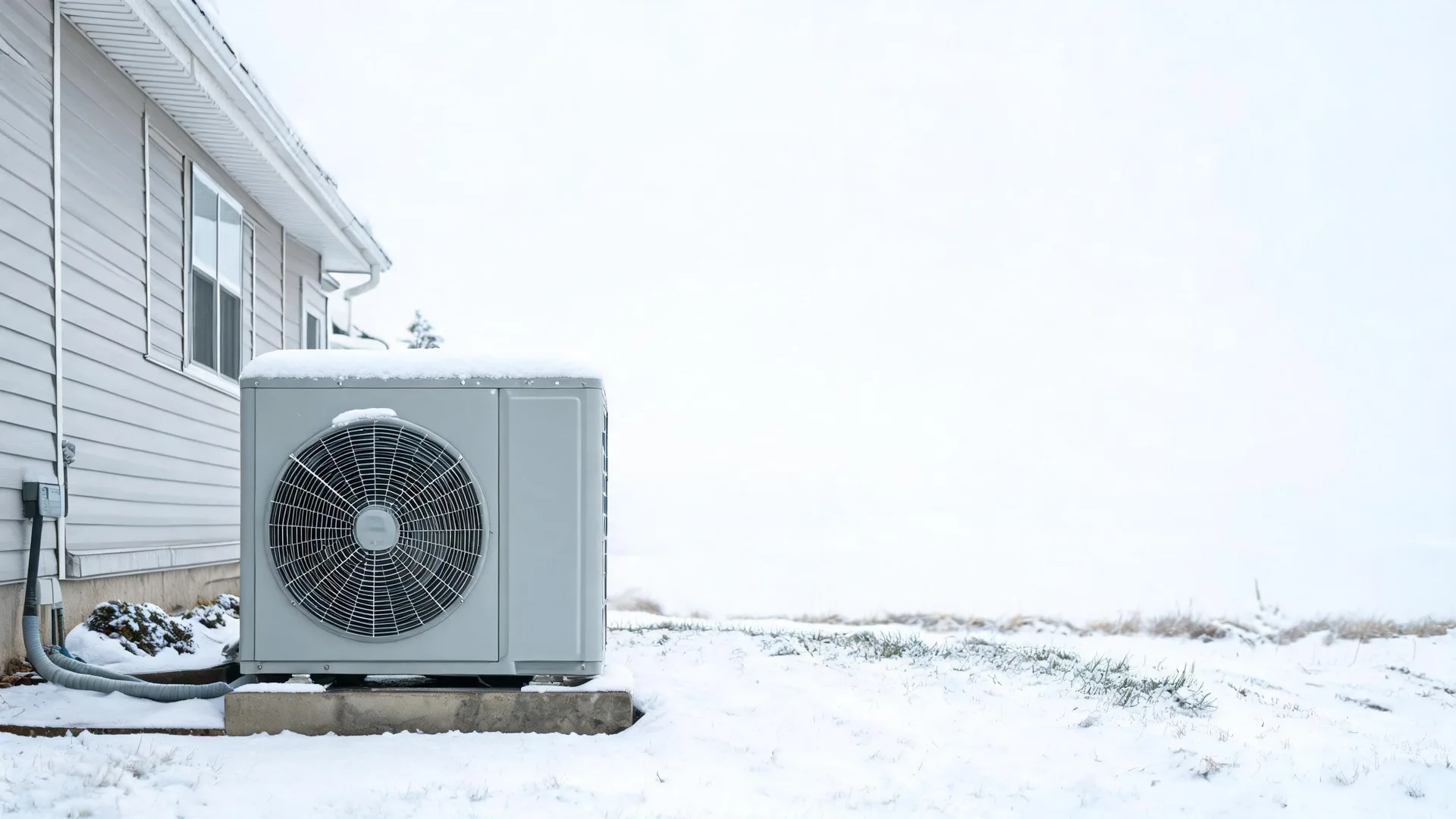
A dirty coil or a clogged filter makes the compressor work harder to move the same amount of heat. Run it that way long enough and the compressor wears out years before it should. By the time the system struggles to cool the house, that strain has already been building for a while.
Small problems get caught early, or they don't
A tech doing maintenance checks the refrigerant charge, tightens electrical connections, and tests the capacitor before any of it fails outright. Skip that and you find out about a weak capacitor when the AC won't start on the hottest day, instead of when it was caught sitting on a bench.
4 months
June through September, your air conditioner is on duty
84°F
the average summer afternoon it cools against
26 hail events
in ten years, and hail bends the fins on outdoor coils
167 wind events
in ten years, and wind drives debris into outdoor units
Your air conditioner works hardest from June through August.
Jan
Feb
Mar
Apr
May
Jun
Jul
Aug
Sep
Oct
Nov
Dec
NOAA nClimDiv, 1991–2020 normals
The AC here runs June through September, with afternoons averaging 84°F.
One tune-up has to get this system ready for all four months of that.
June starts hot here, so May is when this system gets checked
Cooling runs June through SeptemberSummer afternoons average 84°F167 damaging wind events from 2015 to 2024
Half the homes in Pulaski County were built in 1986 or later. If yours is one of them, and your AC came with the house or was put in sometime after, there's a decent chance it still has a lot of working life left in it. That's worth protecting. A system that gets checked every year tends to keep running well for the years it has left, instead of losing a little capacity each season until something finally gives out. The newer the equipment, the more those yearly checks actually pay back, because there's more life left for them to protect.
What keeps running well on its own, and what doesn't
The filter is the one thing that's on the homeowner, not the tech. Check it monthly. Change it when it looks gray and matted, not just on a fixed schedule. A clogged filter starves the coil of airflow, and a starved coil can ice over even on a hot day. Outside, keep the area around the condenser clear. Grass clippings, leaves, anything piled against the cabinet blocks the airflow it needs to dump heat outside. A hose can rinse the coil off if it looks caked with dirt. That's the limit of what to open up. Refrigerant, electrical connections, anything behind an access panel, leave those alone. A system running longer than it used to, or not cooling like it did last month, is already telling you something before it fails outright.
The drain is easy to forget
Condensation has to go somewhere, and the drain line carries it outside. Algae and dirt build up inside that line over time, and the line backs up. Once it does, water backs up into the pan under the coil and from there into the house. A tech clears the drain line during a tune-up before it clogs, because a float switch catching it mid-summer means the AC just shut itself off.
The coil is doing the real work
The indoor coil is where heat leaves the air inside the house. Dirt on that coil acts like a blanket, and the coil can't move heat through a layer of grime as well as it moves it through bare metal. The system runs longer to do the same job. A caked coil also freezes more easily, since the dirt slows the airflow across it the same way a clogged filter does.
Book your AC tune-up in May, before homes here start needing cooling in June.
Jan
Feb
Mar
Apr
May
Jun
Jul
Aug
Sep
Oct
Nov
Dec
A tune-up checks the refrigerant charge, cleans the coils, tests the capacitor and tightens the electrical connections.
A tune-up starts with the filter and the coil, but it doesn't stop there. The tech checks refrigerant charge against what the system calls for, because too little and the coil runs cold enough to ice over, too much and the compressor works harder than it should. Electrical connections get tightened, since a loose one heats up and eventually fails right there in the panel. The capacitor gets tested under load, not just looked at, because a capacitor can read fine sitting still and still fail the moment the compressor tries to start. The condensate drain gets cleared so it isn't the thing that shuts the system down in the middle of summer. Blower wheel, contactor, the fan motor's bearings, all of it gets checked while it's still working, not after it stops.