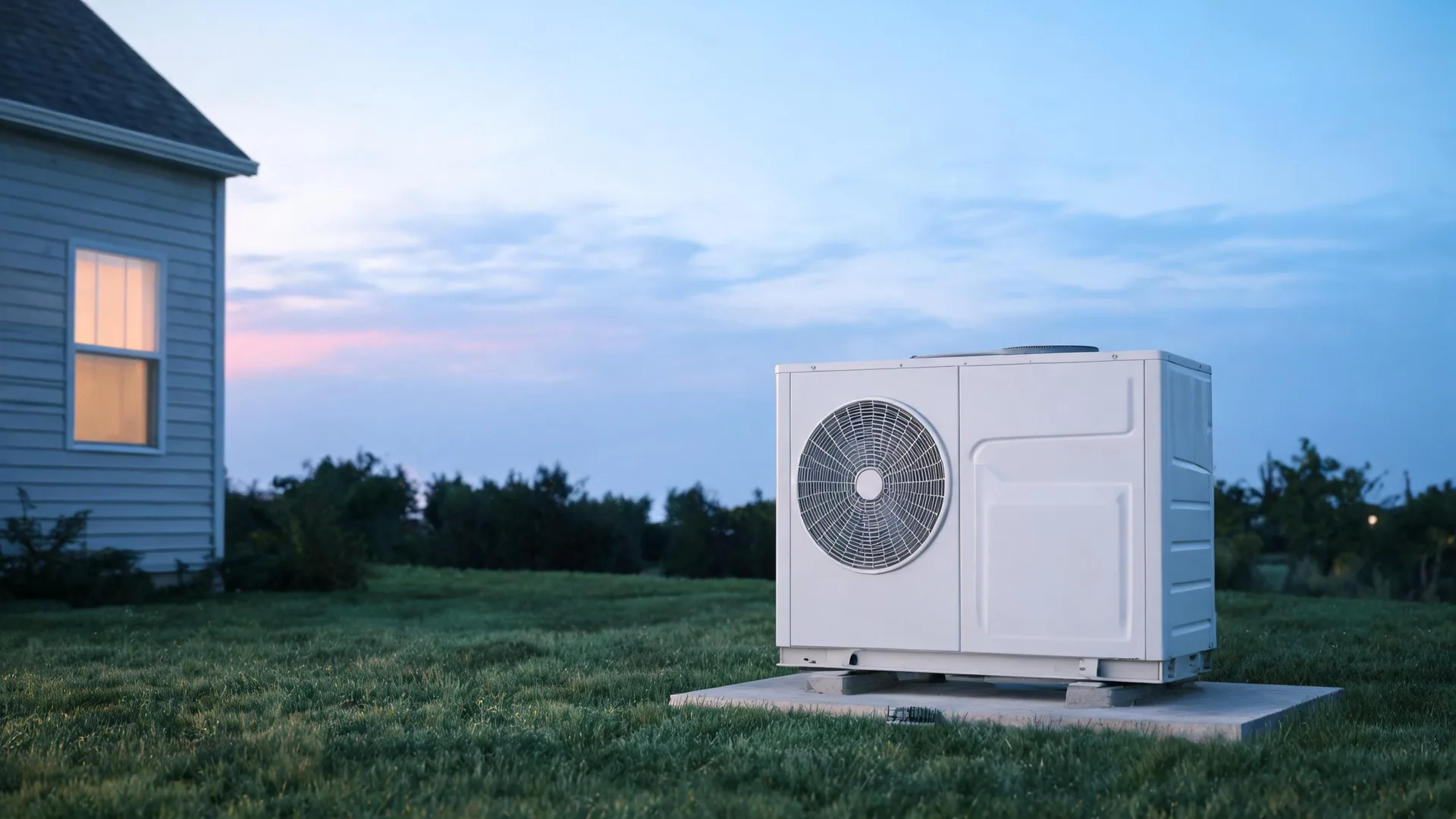
Your AC runs about five months a year here, May through September. June through August, the afternoon high averages 88°F, and the system has to work through all of it to keep a house comfortable. One visit a year, scheduled before that stretch starts, is enough to cover it. A technician checks the refrigerant charge, cleans the condenser coil, and checks the capacitor and contactor before the heat sets in. Nothing about this place asks more of the system than that. It just needs the visit on schedule, not more of them.
5 months
May through September, your air conditioner is on duty
88°F
the average summer afternoon it cools against
6 hail events
in ten years, and hail bends the fins on outdoor coils
60 wind events
in ten years, and wind drives debris into outdoor units
Your air conditioner works hardest from June through August.
Jan
Feb
Mar
Apr
May
Jun
Jul
Aug
Sep
Oct
Nov
Dec
NOAA nClimDiv, 1991–2020 normals
May is the first month cooling runs in Barren County.
Get the check done in April, before the system has to work.
Half the homes in Barren County were built by 1985, which means half the systems inside them are newer than that
Half the homes here were built by 1985Cooling runs May through SeptemberSummer afternoons average 88°F
A refrigerant charge that's a little low won't always show up as warm air right away. The system still runs, still blows cold enough to satisfy a thermostat, but the compressor works harder to get there and runs longer than it should. Gauges catch that before the house does. Same with a coil that's started to collect a layer of dirt. Airflow drops first, cooling drops second, and by the time you notice the difference the coil has been losing efficiency for weeks. A tune-up also means pulling the capacitor and checking it against its rating instead of waiting for the compressor to hum and not start, which is what a failing one sounds like on the day it finally gives out.
A gauge reading versus a glance
A quick visit gets a visual check and a hose rinse on the condenser coil. A thorough one connects gauges to the refrigerant lines and checks the charge against what the system is rated for, checks amp draw on the compressor and fan motor, and tests the capacitor under load instead of just looking at it. Anyone can tell the unit is running. Only the gauges tell you if it's running the way it should.
What a short visit leaves on the table
Skip the gauges and the charge could be low without anyone knowing it, the compressor working harder and running longer to hit the same temperature. Skip pulling the blower access panel and a dirty blower wheel keeps throwing off airflow for the whole season. A real tune-up checks the stuff that doesn't announce itself yet, not just the parts you can see from across the yard.
Book your AC tune-up in April, before homes here start needing cooling in May.
Jan
Feb
Mar
Apr
May
Jun
Jul
Aug
Sep
Oct
Nov
Dec
A tune-up checks the refrigerant charge, cleans the coils, tests the capacitor and tightens the electrical connections.
A proper tune-up starts outside at the condenser. The tech pulls the fan and flushes the coil fins from the inside out, not just a rinse from the top, since dirt packs in from underneath where you can't see it. The fan blade gets checked for wobble, the motor bearings for play. Inside, the blower wheel comes out from behind the access panel and gets cleaned by hand, because a caked wheel moves less air no matter how strong the motor is. Every electrical connection in the disconnect box and at the contactor gets tightened, since a loose one arcs and burns over time. The condensate drain gets flushed too, so it isn't clogged the first humid week and backing up into the house.