A few things usually show up before an air conditioner fails outright. The air from the vents feels weak or barely cool even though the thermostat is set low. The unit outside cycles on and off more than it used to, or runs long stretches without the house ever feeling comfortable. You might notice water pooling near the indoor unit, which usually means the condensate drain is clogged. A musty smell when the system kicks on often points to moisture sitting somewhere it shouldn't. None of these mean the system is done for, but they're the kind of thing worth having a tech look at before the compressor or the coil takes the hit instead.
5 months
May through September, your air conditioner is on duty
87°F
the average summer afternoon it cools against
27 hail events
in ten years, and hail bends the fins on outdoor coils
95 wind events
in ten years, and wind drives debris into outdoor units
Your air conditioner works hardest from June through August.
Jan
Feb
Mar
Apr
May
Jun
Jul
Aug
Sep
Oct
Nov
Dec
NOAA nClimDiv, 1991–2020 normals
Half the homes in Daviess County were built in 1977 or earlier, half in 1977 or later.
Your AC's age doesn't follow your house's age, so one visit a year is how you find out what's actually going on with yours.
One checkup a year covers the five months you'll use it
Cooling runs May through SeptemberSummer afternoons average 87°F95 damaging wind events from 2015 to 2024
May is when it starts workingCooling runs May through September here. April is when to get it checked.
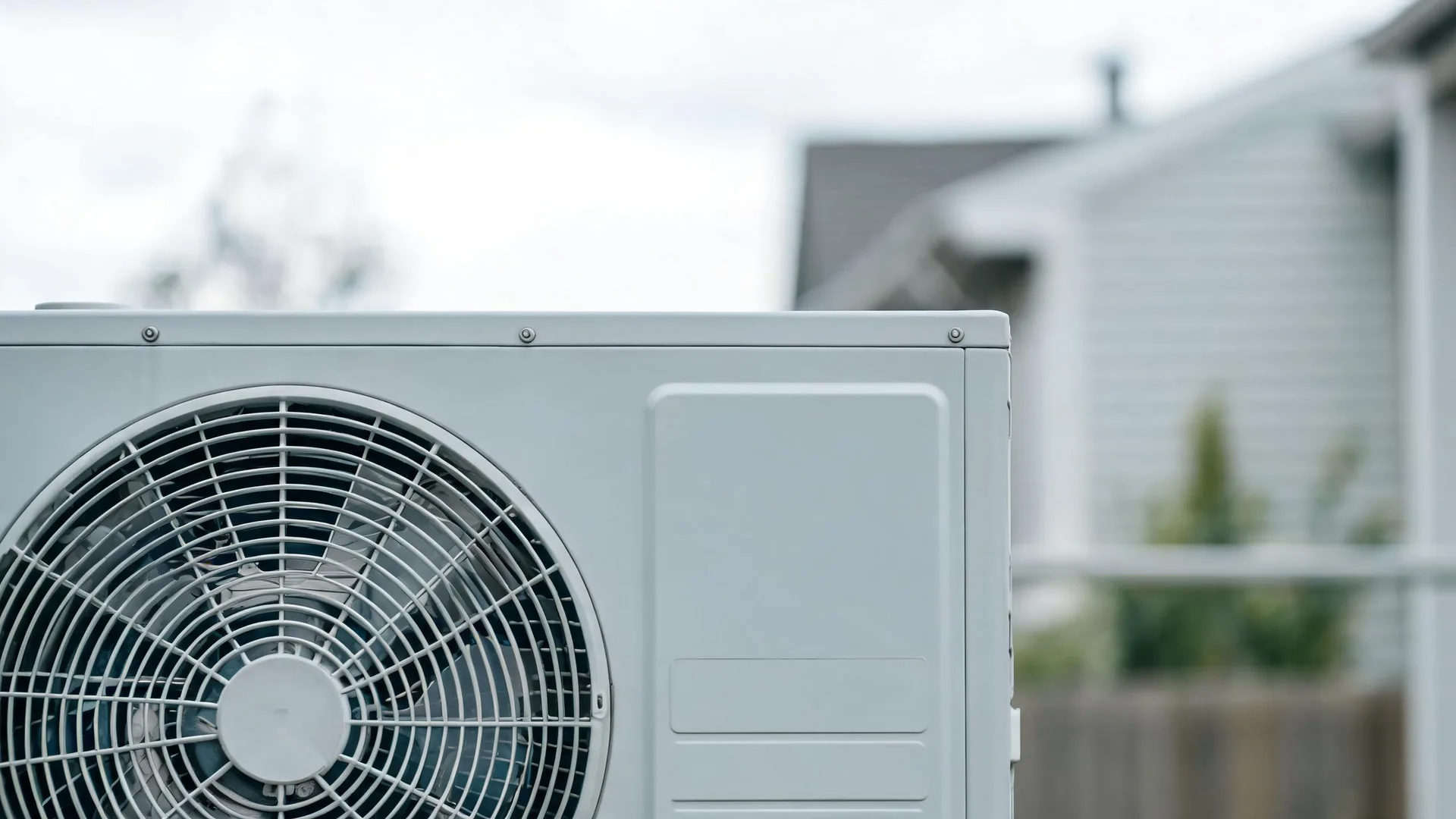
Daviess County has logged 146 severe weather events in the past decade, and most of that was damaging wind. Hail has hit the county 27 times in that same stretch. An outdoor AC unit sits through all of it, exposed to whatever blows through. Wind can bend the fins on the condenser coil or drive debris into the cabinet, and hail dents the housing and the coil fins both. A maintenance visit before summer is when a tech can spot that kind of damage and clear out what's collected in there, before the unit has to work through a hot month with a damaged coil or a blocked fan.
What gets checked is what you can't see from the thermostat
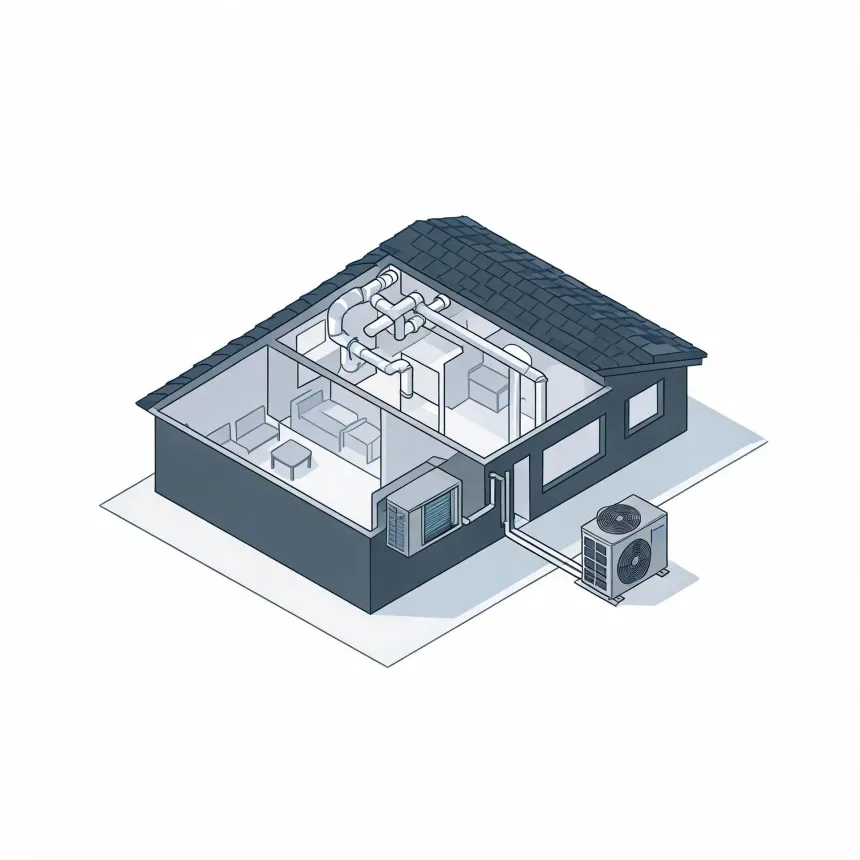
A tech pulls the panel and checks the refrigerant charge against what the system calls for. Too little and the coil can freeze even on a hot day, cutting cooling and straining the compressor. The capacitor gets tested too. It starts the compressor and the fan motor, and a weak one can let the unit run down a motor slowly, long before it fails outright and leaves the system dead. Electrical connections get checked for looseness and corrosion, since a loose connection builds heat and can burn a wire or a terminal over time. The condenser coil gets cleaned if it needs it. Dirt and grass clippings pressed into the fins block airflow, and a blocked coil makes the compressor work harder to move the same heat. None of this shows from the thermostat. The air still comes out cool for a while even as the system loses ground underneath.
A quick visit checks that it runs
A fast tune-up gets the system powered on, the thermostat set low, and a tech feeling for cool air at the vent. If air comes out cold, the visit is called done. That tells you the system can make cold air right now. It doesn't tell you the charge is right, or whether the capacitor is on its way out.
A thorough one checks what it runs on
A real tune-up means the panel comes off. The refrigerant charge gets measured against what the system is rated for, not just guessed at by how cold the air feels. The capacitor gets tested under load, not just looked at. Electrical connections get checked for heat damage before they fail. That's the difference between a system that passed a glance and one a tech actually looked inside.
Book your AC tune-up in April, before homes here start needing cooling in May.
Jan
Feb
Mar
Apr
May
Jun
Jul
Aug
Sep
Oct
Nov
Dec
A tune-up checks the refrigerant charge, cleans the coils, tests the capacitor and tightens the electrical connections.
A tune-up is more than a filter swap. The tech checks the blower motor and blower wheel, since dust packed into the wheel blades throws it off balance and wears the bearing early. Drain line gets flushed, not just looked at, because algae builds up inside the line where you can't see it even when the pan looks dry. The contactor gets checked too, the switch that feeds power to the compressor. Contacts on it pit and burn with every start cycle, and a badly pitted contactor can stick closed or fail to make contact at all. Thermostat calibration gets checked against an actual thermometer, since a thermostat reading a few degrees off runs the system longer than it needs to. Fan blades on the outdoor unit get checked for cracks, since a cracked blade can let go at speed and take out the fan motor with it.