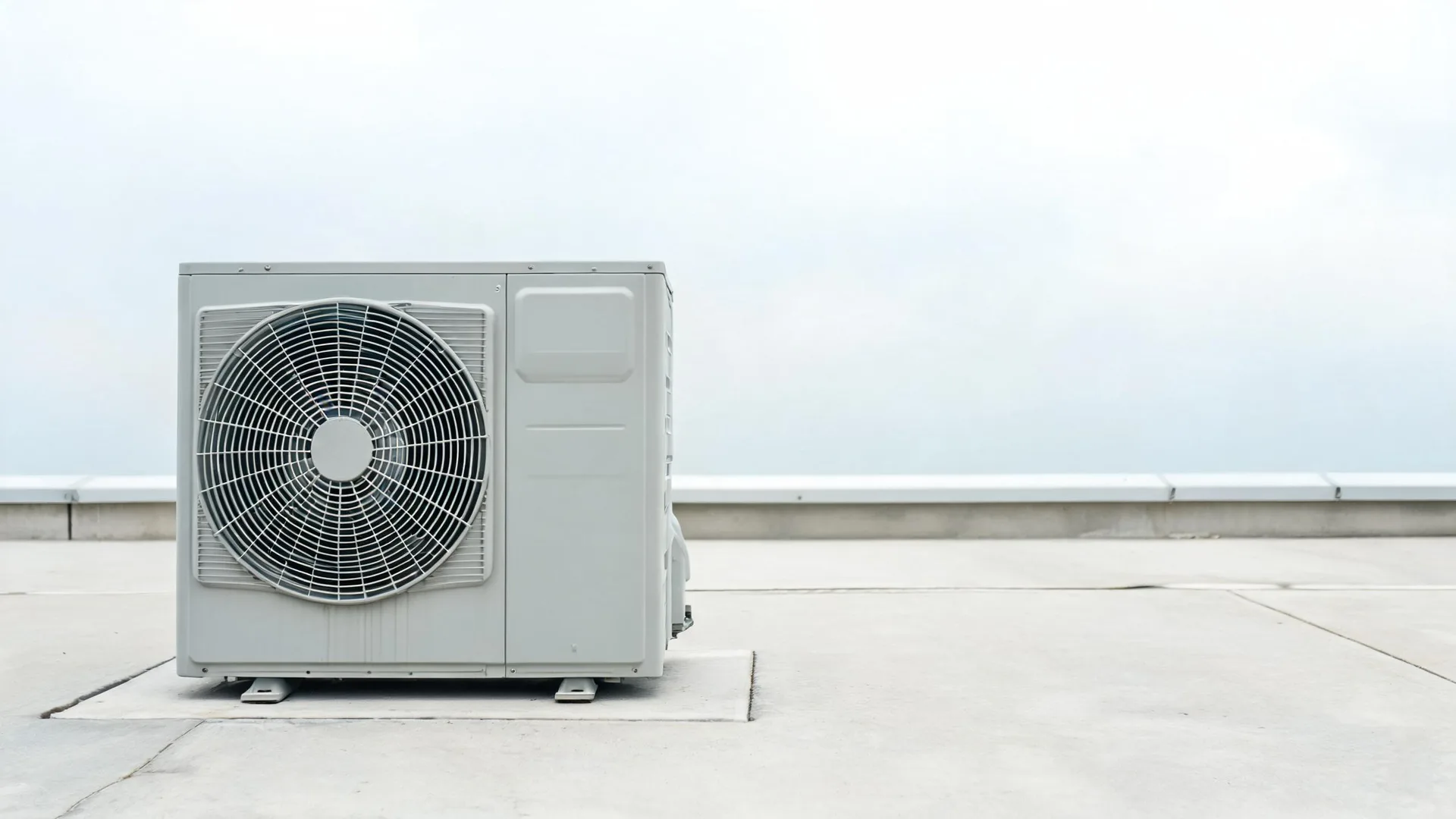
Four months of cooling a year, June through September, with afternoon highs averaging 85 in the thick of summer. That's enough work for one system without starting the season behind. A spring check catches a weak capacitor or a dirty coil before the first real hot stretch asks something of them. Once a year, timed before June, is what this climate calls for here. Nothing about Campbell County pushes an AC harder than that, so there's no case for more than a single visit a season.
4 months
June through September, your air conditioner is on duty
85°F
the average summer afternoon it cools against
23 hail events
in ten years, and hail bends the fins on outdoor coils
43 wind events
in ten years, and wind drives debris into outdoor units
Your air conditioner works hardest from June through August.
Jan
Feb
Mar
Apr
May
Jun
Jul
Aug
Sep
Oct
Nov
Dec
NOAA nClimDiv, 1991–2020 normals
June is when cooling starts working for its keep in Campbell County.
Get the checkup done in May, before that first hot stretch finds the weak spot.
Half the homes here were built by 1972, old enough for a yearly check to matter
Half the homes here were built by 1972Cooling runs June through SeptemberSummer afternoons average 85°F
Half this county's homes are old enough to need a yearly lookIf your system's been in the house a long time, that's the one to put on a schedule.
Skip a year and the dirt on the condenser coil just sits there, and the system has to run longer to push the same heat outside. Run it dirty long enough and the compressor is working harder than it was built to. A clogged filter does the same thing from the other side, starving airflow until the evaporator coil gets too cold and ices over. Once that coil freezes, the system stops cooling altogether until it thaws out. A refrigerant leak behaves the same way, small at first, then the compressor is straining to make up for charge that isn't there anymore. None of this happens on a schedule. It just happens sooner when nobody's looked at the unit in a while.
The wear happens quietly, before the system ever fails
A system can run all summer and still be losing ground. The capacitor weakens slowly, so the compressor and fan motor start on a harder jolt each time, long before either one quits outright. Bearings in the fan motor wear the same way, a faint grind or squeal at startup that gets written off as normal until the motor seizes. Refrigerant charge only ever goes one way too. A unit low on charge doesn't announce it. It just cools a little less, cycles a little longer, and puts more hours on parts that were sized for a full charge. None of this shows up by looking at the thermostat. It shows up when someone checks the pressures, tests the capacitor under load, and listens to the motor run.
Keep the area around the unit clear
The outdoor unit needs open air on all sides to shed heat. Grass clippings, leaves, mulch, and anything stacked against the cabinet make the system work harder to move air across the condenser coil. Give it a couple feet of clearance and keep the top uncovered.
Change the filter on your own schedule
A dirty filter is the one thing between visits that's entirely on the homeowner to catch. Check it monthly through the summer and swap it when it looks gray or clogged, not on a fixed date. A filter that's choking airflow can ice the coil and shut the system down well before the next scheduled check.
Book your AC tune-up in May, before homes here start needing cooling in June.
Jan
Feb
Mar
Apr
May
Jun
Jul
Aug
Sep
Oct
Nov
Dec
A tune-up checks the refrigerant charge, cleans the coils, tests the capacitor and tightens the electrical connections.
A real tune-up starts outside, with the condenser coil. A tech washes it clean so the system can shed heat the way it's supposed to, then checks the fan blade and motor for wobble or noise. Refrigerant charge gets checked against what the system calls for, not topped off by habit. The capacitor gets tested under load, since a weak one can still start the compressor on a cold morning and fail on a hot afternoon. Electrical connections get tightened, because a loose one builds heat at the terminal until something burns. Inside, the evaporator coil and drain line get checked too, since a clogged drain backs up and spills water right where the air handler sits. None of this takes long when the system is healthy. It takes longer, and turns something up, when it isn't.