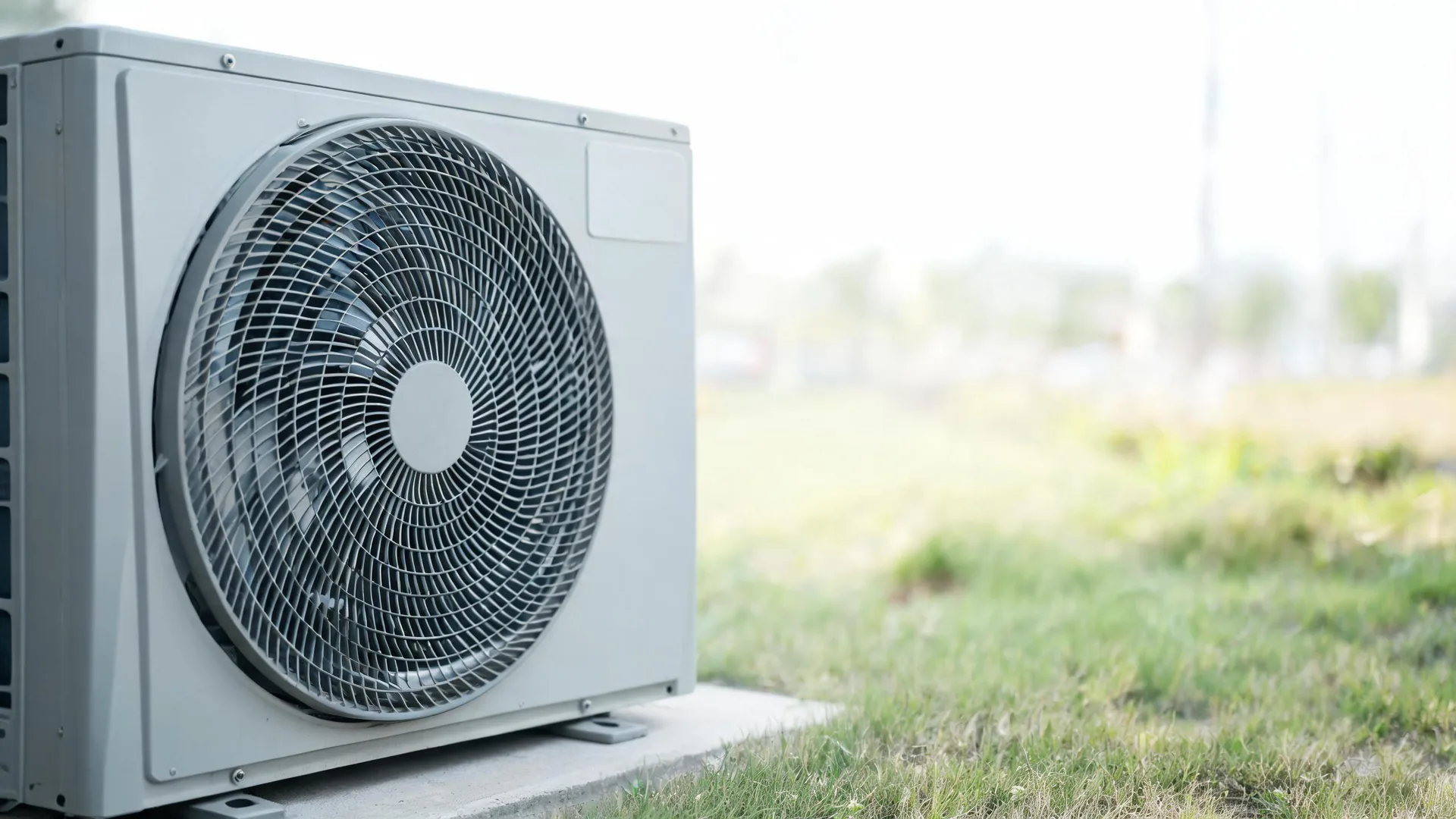
An overhead view of a residential air conditioning condenser unit mounted on a concrete pad next to a house with vinyl siding.

AC Maintenance in Lexington-Fayette urban county, KY

Tell us about the job

Takes about a minute. No obligation.

Tune-up, service, or cleaningCentral ACFayette County, KY
Step 1 of 2

What ZIP code is the job in?

Refrigerant charge drifts without a sign in the house

A system running low on refrigerant still blows cold air at the vent, so nothing in the house tips you off. A gauge set on the lines shows the charge is off before the compressor starts working harder than it should.


A dirty coil makes the compressor do more work

When the outdoor coil is caked with dirt, the system can't shed heat the way it's built to, and the compressor runs hotter to move the same amount of heat. Washing it out is routine work, but only during a tune-up does anyone look at it.

4 months
June through September, your air conditioner is on duty
85°F
the average summer afternoon it cools against
15 hail events
in ten years, and hail bends the fins on outdoor coils
108 wind events
in ten years, and wind drives debris into outdoor units
Isometric illustration of a cutaway single-story house showing interior rooms, ductwork running from an indoor air handler, and an outdoor condenser unit on a pad beside the building.
Your air conditioner works hardest from June through August.

NOAA nClimDiv, 1991–2020 normals

Cooling here runs June through September, with afternoon highs averaging 85°F through the summer.

Four months of real work is enough to earn one check a year, not more.

Get it checked in MayCooling starts in June here and runs through September.

Fayette County has logged 143 severe weather events between 2015 and 2024, and damaging wind was behind most of them. That outdoor unit sits outside all year. Wind-blown debris or hail can dent the cabinet or bend the fins before you notice any change in cooling. A tune-up is when someone actually looks it over and clears out what storm season left behind. It matters more here too, since a system already struggling has a harder time catching up once the power comes back on.

Half the homes here were built in 1984 or later

Half the homes in Fayette County were built in 1984 or later. A system that age still has a lot of working life left in it. A yearly check is what keeps it running that whole stretch instead of losing a season to wear nobody caught early.

Find a contractor
An outdoor air conditioning condenser unit mounted on a concrete pad surrounded by gravel, photographed against a partly cloudy blue sky.

Hours on the system add up where you can't see them

The filter is the one part doing its job every minute the system runs. Once it loads up with dust, air can't move through it, and the coil behind it starts pulling harder to get the same airflow. Keep running it that way and the coil can ice over even in the middle of summer, and a frozen coil stops cooling the house altogether. The drain works just as hard with less attention. Condensate has to leave the coil pan drop by drop the whole time the system runs, and algae builds up in that line the same way it does in anything that stays wet in the dark. A clogged drain backs up into the pan and finds the nearest way out, usually into the ceiling or the closet below it. None of this fails on day one. It fails after a full season of running, which is exactly when nobody's looking at it.

A quick visit checks that it runs

Someone shows up, turns the system on, and feels cold air at the vent. That confirms the compressor started and the coil got cold, nothing more. It doesn't say whether the charge is right, whether the contactor is pitted, or whether the capacitor is weak and close to failing.

A thorough visit checks why it runs well

A real tune-up puts gauges on the lines to read the charge, checks amp draw against what the compressor is rated for, tests the capacitor instead of eyeballing it, and actually washes out the coil instead of glancing at it. Blowing cold air today is easy to see. Whether the system holds up through the rest of the season comes down to these checks.

Overhead view of an air conditioning condenser unit on a concrete pad next to a house with asphalt shingle roofing and vinyl siding.

Book your AC tune-up in May, before homes here start needing cooling in June.

  1. Jan
  2. Feb
  3. Mar
  4. Apr
  5. May
  6. Jun
  7. Jul
  8. Aug
  9. Sep
  10. Oct
  11. Nov
  12. Dec

A tune-up checks the refrigerant charge, cleans the coils, tests the capacitor and tightens the electrical connections.

A proper tune-up starts outside at the condenser. The technician pulls the disconnect, washes the coil fins clean, and checks that the fan spins freely and isn't wobbling on its mount. Inside, the evaporator coil gets a look too, since a dirty coil on either end makes the whole system work harder than it should. Electrical connections get tightened, since a loose connection builds heat and that heat is what eventually takes out a contactor or a capacitor. The capacitor itself gets tested against its rating, not just checked for a bulge in the case. Refrigerant charge gets checked against what the system calls for, measured on gauges rather than guessed at. The drain line gets flushed so condensate has somewhere to go once the system is back under load. None of this takes long, but skipping any of it just moves the failure further into the season.