







A nighttime view of a tree-lined residential street with illuminated two-story brick houses and street lamps.

AC Maintenance in Louisville, KY

Tell us about the job

Takes about a minute. No obligation.

Tune-up, service, or cleaningCentral ACJefferson County, KY
Step 1 of 2

What ZIP code is the job in?

A few things tell you the air conditioner wants a look before anything quits. Warm air coming out of the vents when it's been running a while is one. Short cycling, where it kicks on and off instead of running a steady stretch, is another. Listen for a hum that doesn't turn into the compressor starting up, or a rattle that wasn't there before. Water pooling near the indoor unit usually means the condensate drain is clogged, and that can back up into the system if it sits. If the air moving out feels weak even on high, the blower or the ductwork is struggling to push it through. None of these mean the unit is done for, but each one is worth having a contractor check before it turns into a repair instead of a tune-up.

5 months
May through September, your air conditioner is on duty
86°F
the average summer afternoon it cools against
60 hail events
in ten years, and hail bends the fins on outdoor coils
249 wind events
in ten years, and wind drives debris into outdoor units
Isometric line illustration of a cutaway single-story building showing interior rooms, ceiling ductwork and an air handler, connected by lines to an outdoor condenser unit beside the exterior wall.
Your air conditioner works hardest from June through August.

NOAA nClimDiv, 1991–2020 normals

Half the homes in Jefferson County were built in 1972 or earlier.

An air conditioner in a house that old has usually been replaced at least once, and whatever is out there now needs a yearly check to catch wear before it becomes a breakdown.

Five months of 86 degree afternoons wears a system down fast

Cooling runs May through September
Summer afternoons average 86°F
249 damaging wind events from 2015 to 2024
May starts it. April gets it ready.Cooling here runs May through September. Have it checked in April.

Jefferson County has logged 332 severe weather events over the past ten years, and 249 of those were damaging wind. The outdoor unit sits right out in that, with no cover from branches or flying debris. Wind can bend the fins on the coil or throw something into the cabinet, and a unit that takes a hit doesn't always stop running right away. It runs worse first, pulling harder to move air through a coil that's partly blocked, before it quits. A good number of Kentucky households also lose power for a day or more at some point in the year, and an AC that comes back on after an outage needs to be working right, not struggling already. Worth having it checked for bent fins, dents, or anything caught inside before the next storm comes through.

Get the system checked before it has to prove itself

Whatever is running out there now has had years to wear, even if it's a newer unit than the house itself. A yearly check gets eyes on it while small wear is still small.

Find a contractor
A man in a cap, dark shirt and tan work pants walks up porch steps toward a green front door, carrying a worn canvas tool bag, with a potted shrub beside the entry.
A gray residential air conditioner condenser unit mounted on a concrete pad in an open grass field.

Get it looked at before the heat starts, not during it

A check in the off months catches what the season would have turned into a repair. Cooling here runs May through September, so the stretch before May is when a contractor can look the system over without it being under load. Bent fins from wind, a coil that took a hit from hail, wear that built up last summer, all of it shows up easier on a unit that isn't straining to keep up with an 86 degree afternoon yet.

Keep the airflow clear on both ends

Check the filter and change it when it looks gray or clogged. A dirty filter chokes airflow and makes the system work harder to move air through the house. Outside, keep the area around the unit clear. Grass clippings, leaves, and anything growing up against the cabinet block the airflow it needs to shed heat, and that makes it run longer than it should.

Know what's not yours to fix

Refrigerant level, electrical connections, the condensate drain line, anything inside the cabinet, all of that is a contractor's job. Opening the unit or adding refrigerant without the right gauges and training can damage the compressor or make a small problem worse. What's safe between visits is keeping the unit clean and clear and watching for the signs that something's off. The rest waits for the check.

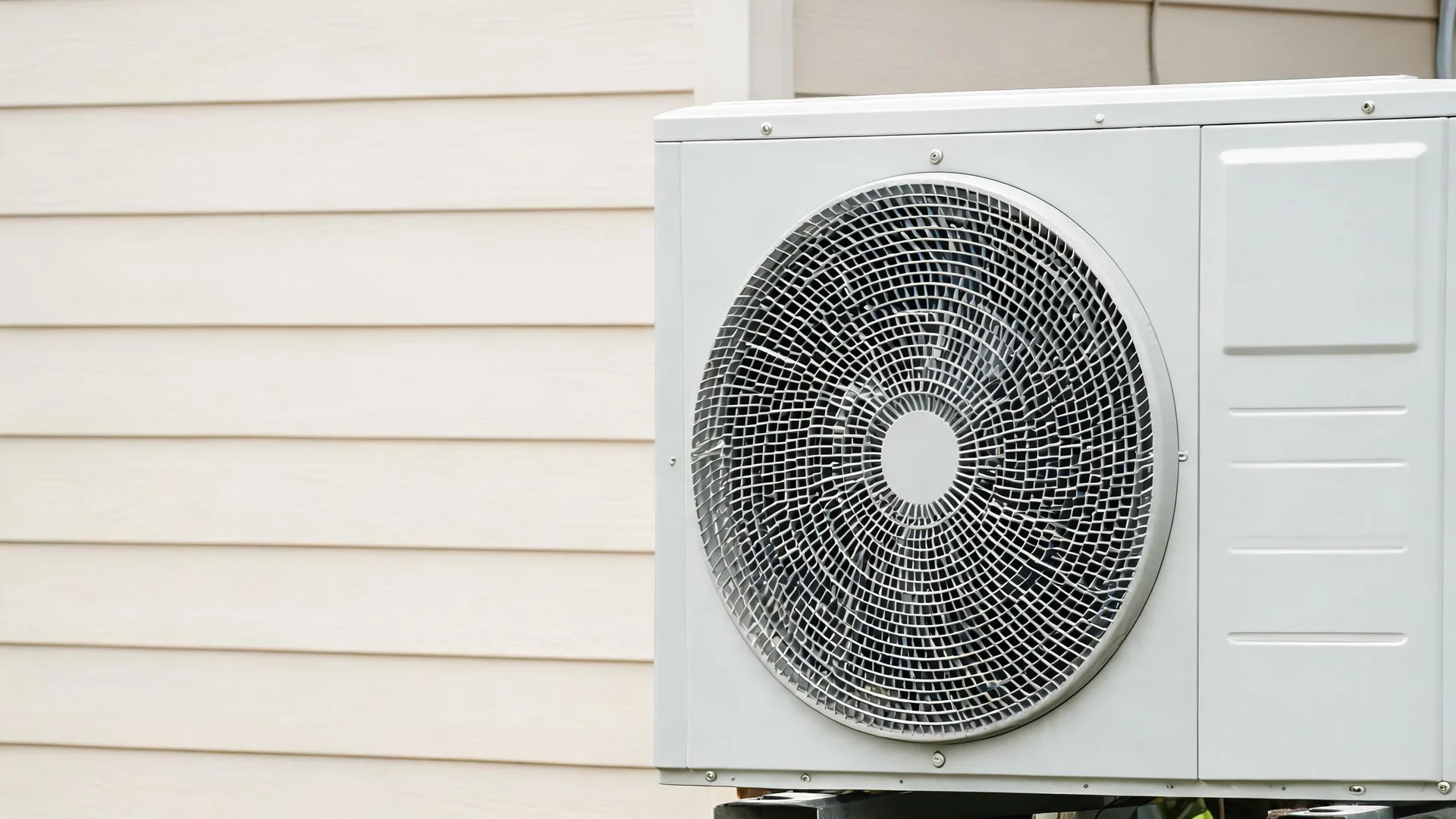
An outdoor air conditioning condenser unit on a concrete pad next to the gray vinyl siding of a residential home.

Book your AC tune-up in April, before homes here start needing cooling in May.

  1. Jan
  2. Feb
  3. Mar
  4. Apr
  5. May
  6. Jun
  7. Jul
  8. Aug
  9. Sep
  10. Oct
  11. Nov
  12. Dec

A tune-up checks the refrigerant charge, cleans the coils, tests the capacitor and tightens the electrical connections.

A tune-up starts with the coils. The outdoor condenser coil and the indoor evaporator coil both need to be clean, because a coil coated in dirt or grass clippings can't shed heat the way it should, and the system runs longer to do the same job. The contractor checks refrigerant level next. Too little and the compressor works harder than it should. Too much and it can damage the compressor outright, so this gets measured, not guessed at. The condensate drain gets checked for clogs, since a blocked drain backs up and can overflow near the indoor unit. Electrical connections get tightened, because a loose one heats up and wears out parts faster than normal use would. The capacitor gets tested too, since a weak one makes the compressor or fan motor struggle to start even when everything else is fine. Last, the contractor runs the system and watches how it actually performs, not just how it looks sitting still.