Aerial view of a square outdoor air conditioning condenser unit on a concrete pad beside a house wall with a sliding glass door.

AC Maintenance in London, KY

Tell us about the job

Takes about a minute. No obligation.

Tune-up, service, or cleaningCentral ACLaurel County, KY
Step 1 of 2

What ZIP code is the job in?

The refrigerant charge is never obvious from outside

A system low on refrigerant can still blow cold air at the vent while it struggles to pull heat out of the house. Checking the charge means hooking up gauges and reading pressures against the outdoor temperature, something no homeowner can eyeball. Left alone, a low charge makes the compressor run longer and harder than it should.


A dirty coil hides behind a clean looking cabinet

The outdoor unit can look fine from the yard while the coil fins underneath are packed with dust, pollen and grass clippings. That buildup blocks the heat transfer the whole system depends on, and the only way to find it is to take the panel off and look. Catching it during a tune-up means it gets cleaned before the compressor has to work against it all season.

4 months
June through September, your air conditioner is on duty
84°F
the average summer afternoon it cools against
21 hail events
in ten years, and hail bends the fins on outdoor coils
115 wind events
in ten years, and wind drives debris into outdoor units
Isometric cutaway illustration of a house interior showing ducted HVAC piping, an indoor air handler unit, and an outdoor condenser with fan connected by a line, rendered in grey tones on a white background.
Your air conditioner works hardest from June through August.

NOAA nClimDiv, 1991–2020 normals

Half the homes in Laurel County were built in 1992 or later.

A system that age still has years ahead of it, and a yearly check is what keeps it that way.

Four months of real heat is one season to get ready for

Cooling runs June through September
Summer afternoons average 84°F
115 damaging wind events from 2015 to 2024
June is the first month it has to workCooling runs June through September here. May is the month to have it checked.

Laurel County has logged 153 severe weather events between 2015 and 2024, and damaging wind caused most of them. That outdoor unit sits outside year round with nothing between it and the weather but its own cabinet. Wind-driven debris bends fins and can crack a fan blade. Hail has hit the county too, enough to dent a cabinet or chip a coil without you ever seeing it happen. A maintenance visit gets the panel off and checks for exactly that kind of damage while it's still minor, so when the unit kicks back on after a storm, it starts clean.

Keep it in good shape

If your system is fairly new, a yearly check keeps it in good shape for longer.

Find a contractor
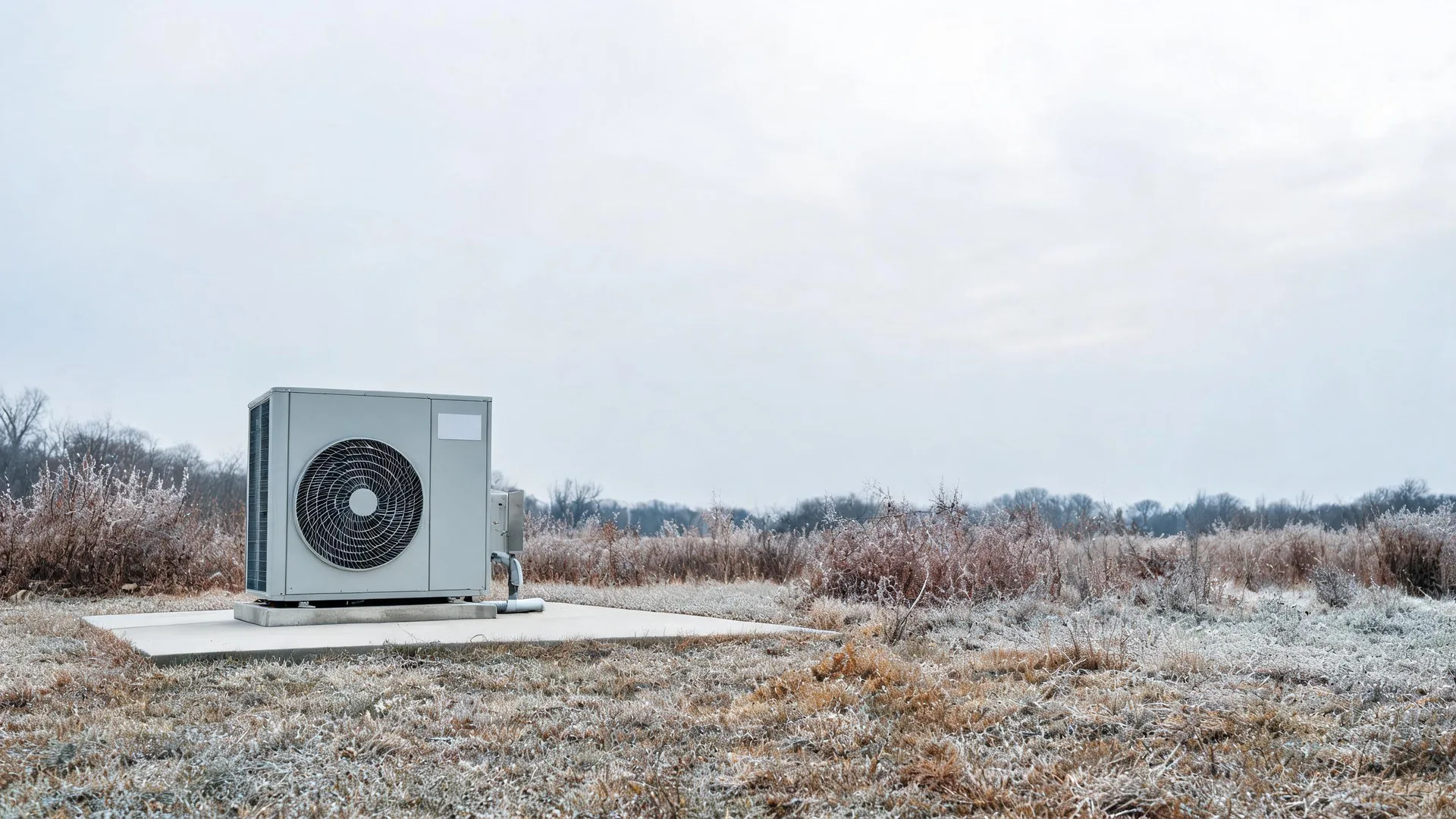
An outdoor residential air conditioning condenser unit mounted on a concrete pad, surrounded by gravel with a blue sky in the background.

What you can check, and what you should leave closed

Between visits, the filter is the one thing worth your attention. A dirty filter chokes airflow across the indoor coil, and the system has to run longer to move the same amount of air through the house. Check it monthly during the season and swap it when it looks gray or matted. Outside, keep the area around the condenser clear. Grass clippings, leaves and mulch piled against the cabinet block the airflow it needs to dump heat, so give it a couple feet of open space on every side. Walk past it now and then and listen. A new rattle, a squeal, or a grinding sound means something's wearing out, and it's worth getting looked at before it fails outright. Beyond that, leave the cabinet closed. The refrigerant, the coil and the electrical connections inside are not a homeowner job, and opening the panel without gauges and training risks doing more harm than the dust ever would.

A quick visit checks that it runs

Plenty of tune-ups stop at power the unit on, watch the gauges for a minute, and confirm cold air at the vent. That tells you the system turns on. It doesn't tell you the capacitor is weak, or that the contactor is pitted and starting to arc.

A thorough one checks why it runs well

A real tune-up pulls the blower wheel and checks it for caked-on dirt, flushes the condensate drain so it won't back up later, and tightens every electrical connection in the disconnect box. Those are the things that turn into a breakdown or a flooded pan down the road, and they don't show up unless someone goes looking.

Overhead view of a gray residential air conditioning condenser unit mounted on a concrete pad beside a house with asphalt shingle roofing.

Book your AC tune-up in May, before homes here start needing cooling in June.

  1. Jan
  2. Feb
  3. Mar
  4. Apr
  5. May
  6. Jun
  7. Jul
  8. Aug
  9. Sep
  10. Oct
  11. Nov
  12. Dec

A tune-up checks the refrigerant charge, cleans the coils, tests the capacitor and tightens the electrical connections.

A tune-up starts with the thermostat calling for cool and ends with a technician's hands on the actual hardware. The condenser fan motor gets checked for play in the bearing, not just whether it spins. The start capacitor gets tested under load, because a capacitor can measure fine sitting still and still fail the moment the compressor tries to start. Refrigerant lines get checked for the oily residue that means a slow leak, something that won't show up as a performance problem for months. The evaporator coil, up inside the air handler, gets inspected for the kind of buildup that cuts airflow before anyone notices the house running warm. None of this shows up by turning the system on and feeling for cold air. It shows up when someone opens the panels and checks each part on its own.