Georgetown asks for cooling from June through September, with afternoon highs near 85 through the summer stretch. That's a real four months of work for your AC, not a light load. One visit a year, done before June, covers it. A technician can check the refrigerant charge, clean the coil and make sure the system is ready before it has to run every day. Nothing about the climate here calls for more than that.
4 months
June through September, your air conditioner is on duty
85°F
the average summer afternoon it cools against
6 hail events
in ten years, and hail bends the fins on outdoor coils
65 wind events
in ten years, and wind drives debris into outdoor units
Your air conditioner works hardest from June through August.
Jan
Feb
Mar
Apr
May
Jun
Jul
Aug
Sep
Oct
Nov
Dec
NOAA nClimDiv, 1991–2020 normals
June is when your AC starts working for a living here.
Have it checked before June, so it's ready for that first hard month.
Half the homes here were built by 2000, so the AC in them is likely a replacement, not the original
Half the homes here were built by 2000Cooling runs June through SeptemberSummer afternoons average 85°F
The refrigerant charge is the one a homeowner never catches on their own. A system low on charge still blows cold air, just not as cold, and it keeps running that way for months while the compressor works harder than it should. A gauge set shows what your senses can't. The capacitor is another one. It can be weakening for a season before it fails outright, usually on the hottest day it has to work. A tech checks it under load, not by whether the unit turns on. The coil is the other blind spot. Dust and a fine film build up on it where you can't see or reach, and a dirty coil makes the whole system run longer to do the same job.
Warm air from a cold setting
The thermostat is set low and the air coming out still doesn't feel right. That gap usually means the charge has dropped or the coil can't shed heat the way it should. A system in that state can keep running for a long stretch before it quits outright, working harder the whole time to get nowhere close to what you asked for.
A longer wait before the air turns cool
If the system takes longer to catch up once the thermostat calls for cooling, something is slowing it down before you ever feel it at the vent. That lag is worth having looked at before the unit is running every day, not after it's already struggling.
Book your AC tune-up in May, before homes here start needing cooling in June.
Jan
Feb
Mar
Apr
May
Jun
Jul
Aug
Sep
Oct
Nov
Dec
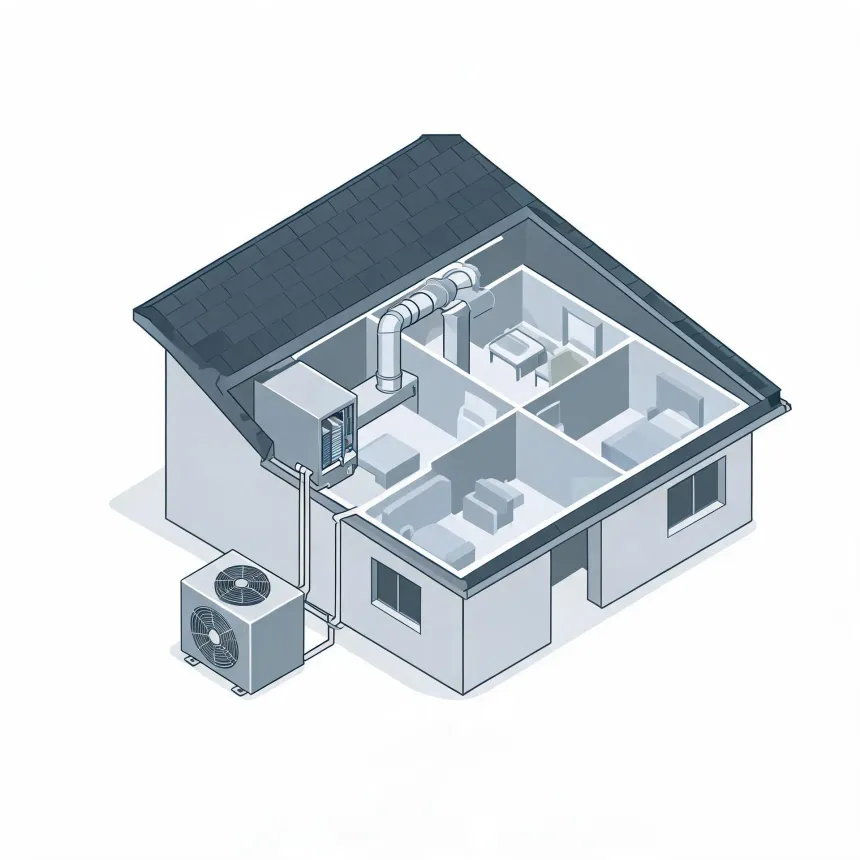
A tune-up checks the refrigerant charge, cleans the coils, tests the capacitor and tightens the electrical connections.
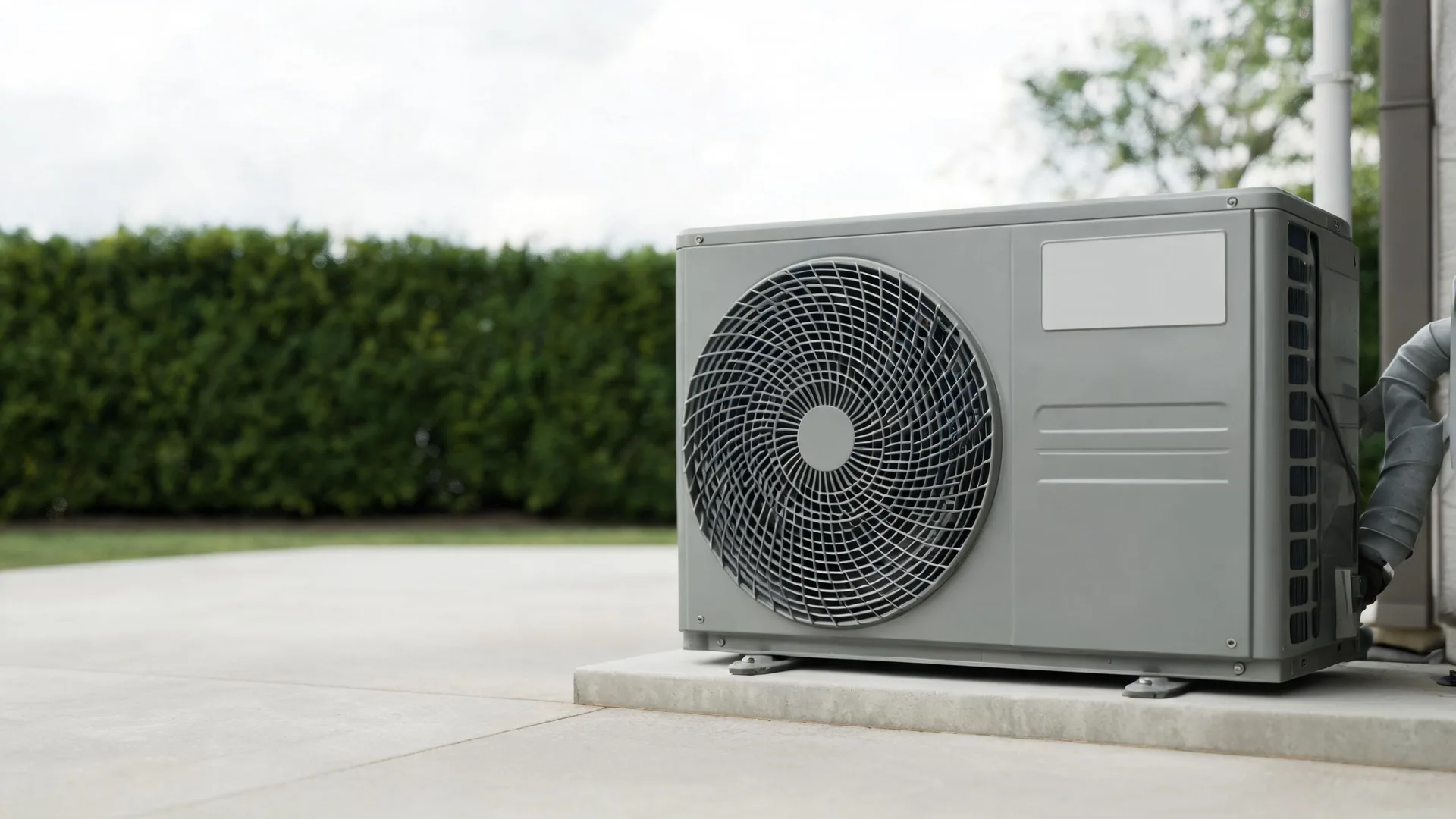
A tune-up starts outside, at the condenser. The coil gets cleaned, not rinsed, because dirt packed between the fins blocks airflow in a way a quick hose-down won't fix. The fan blade and motor get checked for wobble or noise, since a bearing going bad shows up there before it shows up anywhere else. Refrigerant charge gets measured against what the system is supposed to carry, not guessed at from how cold the air feels. Electrical connections get tightened, because a loose one generates heat and heat shortens the life of whatever it touches. The capacitor gets tested under load, not just checked for a reading, since a weak one can still show voltage and still fail the next time the compressor has to kick on hard. Indoors, the coil and drain line get looked at too, because a clogged drain backs up quietly until it doesn't.