A illuminated two-story red brick house on a quiet residential street at dusk, flanked by mature trees under a deep blue evening sky.

AC Maintenance in Hazard, KY

Tell us about the job

Takes about a minute. No obligation.

Tune-up, service, or cleaningCentral ACPerry County, KY
Step 1 of 2

What ZIP code is the job in?

Keep the filter clean

A dirty filter chokes airflow across the evaporator coil, and that coil can ice over when it doesn't get enough air moving across it. Check the filter and swap it when it looks gray or clogged. This is the one job a homeowner can do that actually prevents a service call.

Clear the space around the outdoor unit

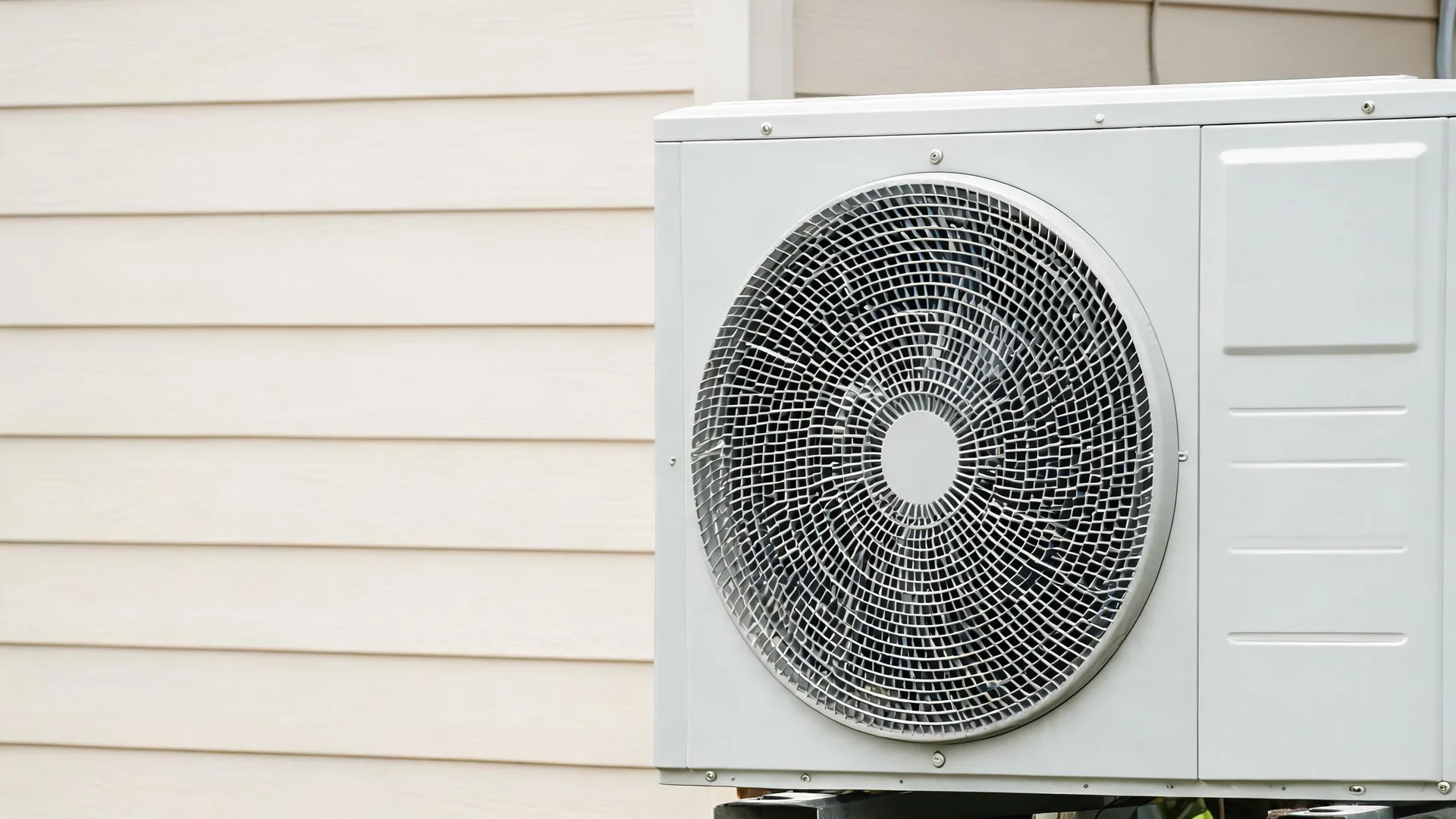
The outdoor unit needs open air on all sides to shed heat. Keep grass clippings, leaves, mulch and shrubs away from it, and don't stack anything against the cabinet. A unit that can't breathe works harder and runs hotter than it should.

4 months
June through September, your air conditioner is on duty
84°F
the average summer afternoon it cools against
12 hail events
in ten years, and hail bends the fins on outdoor coils
56 wind events
in ten years, and wind drives debris into outdoor units
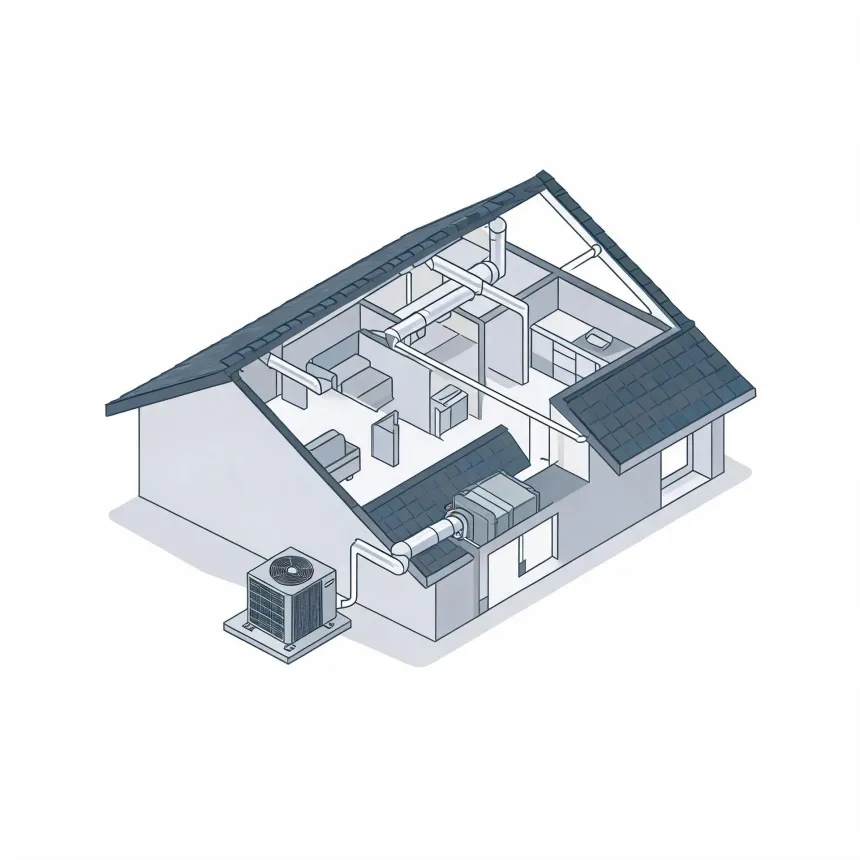
Isometric line illustration of a cutaway single-story house showing interior rooms, ceiling ductwork and an air handler, connected to an outdoor condenser unit on a pad beside the building.
Your air conditioner works hardest from June through August.

NOAA nClimDiv, 1991–2020 normals

A quick tune-up means a glance and a hose rinse on the coil.

A thorough one checks the refrigerant charge, tests the capacitor under load, and measures the temperature drop across the coil.

June is the first month of cooling here. May is when the check gets done.

Cooling runs June through September
Summer afternoons average 84°F
56 damaging wind events from 2015 to 2024
One check a year covers itHalf the homes here were built in 1985 or earlier, but age isn't what wears out an AC. One visit a year still covers it.

Cooling here only runs June through September, about four months, with afternoon highs averaging 84°F through the summer. That's a real season, not a stretch of occasional hot days, but it's also not a climate that runs an AC any harder than the design accounts for. Zone 4A asks real work of both heating and cooling, which is normal for this part of the country. None of that adds up to a reason for more visits. One check before the season starts still covers what the unit needs to get through it.

Book it before the season

It starts running hard in the first month of the season here. Book the check the month before.

Find a contractor
A man in a cap, dark shirt and tan work pants walks up porch steps toward a green front door, carrying a worn canvas tool bag, with a potted shrub beside the entry.
A gray metal air conditioning condenser unit mounted on a concrete pad in a flat grassy field under a partly cloudy sky.

Skip it long enough and something gives

A neglected AC doesn't fail all at once. Dust and grime build up on the outdoor coil until it can't shed heat the way it should, so the compressor runs longer and hotter to do the same job. Refrigerant drifts low from a slow leak that would have shown up on a gauge months earlier. The capacitor weakens under the load of every start-up until one day it can't kick the compressor on at all. None of this announces itself. The system just quietly asks more of itself each month, with nobody checking, until a part that was failing slowly fails all the way.

The airflow feels off before anything breaks

Some rooms don't cool the way they used to, or the system runs longer to hit the same temperature. That's the coil or the airflow losing ground before a part actually fails. Catching it at this stage is a check, not a repair.

Noise and smell are the system talking first

A hum that wasn't there before, a rattle from the outdoor unit, a musty smell when the air kicks on. These show up well before a breakdown does. A check at this point finds the loose part or the dirty coil behind it, while it's still simple.

An overhead view of a residential air conditioning condenser unit mounted on a concrete pad next to a house with vinyl siding.

Book your AC tune-up in May, before homes here start needing cooling in June.

  1. Jan
  2. Feb
  3. Mar
  4. Apr
  5. May
  6. Jun
  7. Jul
  8. Aug
  9. Sep
  10. Oct
  11. Nov
  12. Dec

A tune-up checks the refrigerant charge, cleans the coils, tests the capacitor and tightens the electrical connections.

A lot of what a tune-up catches never shows up as a symptom first. A contactor can be pitted and still close the circuit every time, right up until the day it doesn't. A capacitor can be weak and still start the compressor, just with more strain on the motor than it should take. None of that changes how the house feels day to day. The only way to know the drain line isn't starting to clog, or the blower bearings aren't starting to wear, is to look at them directly, not wait for them to announce it.