June starts the real work
Homes in Clark County run their AC from June through September. Once June hits, the system is running most days, and a weak capacitor or low charge shows up fast under that kind of load.
Takes about a minute. No obligation.
Homes in Clark County run their AC from June through September. Once June hits, the system is running most days, and a weak capacitor or low charge shows up fast under that kind of load.
A maintenance check in May catches a worn part before the system has to run on it all summer. Book it after that and the same check happens while the unit is already working to keep the house cool.

NOAA nClimDiv, 1991–2020 normals
A clean filter is the one thing a homeowner controls.
Swap it monthly through the season, and the coil behind it stays clear enough to do its job.



Half the homes in Clark County were built in 1979 or later, so a lot of the AC units running here aren't working against age the way they might elsewhere. A newer system still depends on a yearly check to stay that way. The capacitor, the coil, the refrigerant charge, all of it wears a little every summer no matter how new the unit is. Catching that wear early, while the system still has years ahead of it, is what a maintenance visit is for.
A system with years ahead of it is worth keeping that way. A yearly check catches the small wear before it becomes a repair.
Find a contractor
Skip a few years of checks and nothing happens right away. The system still turns on, still blows cold air. What you don't see is the capacitor losing strength, the coil collecting a film of dust, the refrigerant charge drifting a little low. None of that stops the AC from running. It just makes the compressor work harder to do the same job. A compressor that runs hot and strained for a few summers in a row wears out faster than one that never had to. By the time it's loud, or the air isn't as cold as it used to be, the small wear has had years to turn into a real repair.
A system that's low on refrigerant can still cool the house well enough to pass a hand test at the vent. The only way to know the charge is right is to connect gauges and check the pressure against what the unit calls for. Run it low long enough and the compressor is the part that pays for it.
A weak capacitor doesn't make the system struggle for weeks before it quits. It holds enough charge to start the compressor one morning and not enough the next. A tune-up checks it against its rated strength and catches it on the way down, before the day it just doesn't start.
A tune-up checks the refrigerant charge, cleans the coils, tests the capacitor and tightens the electrical connections.
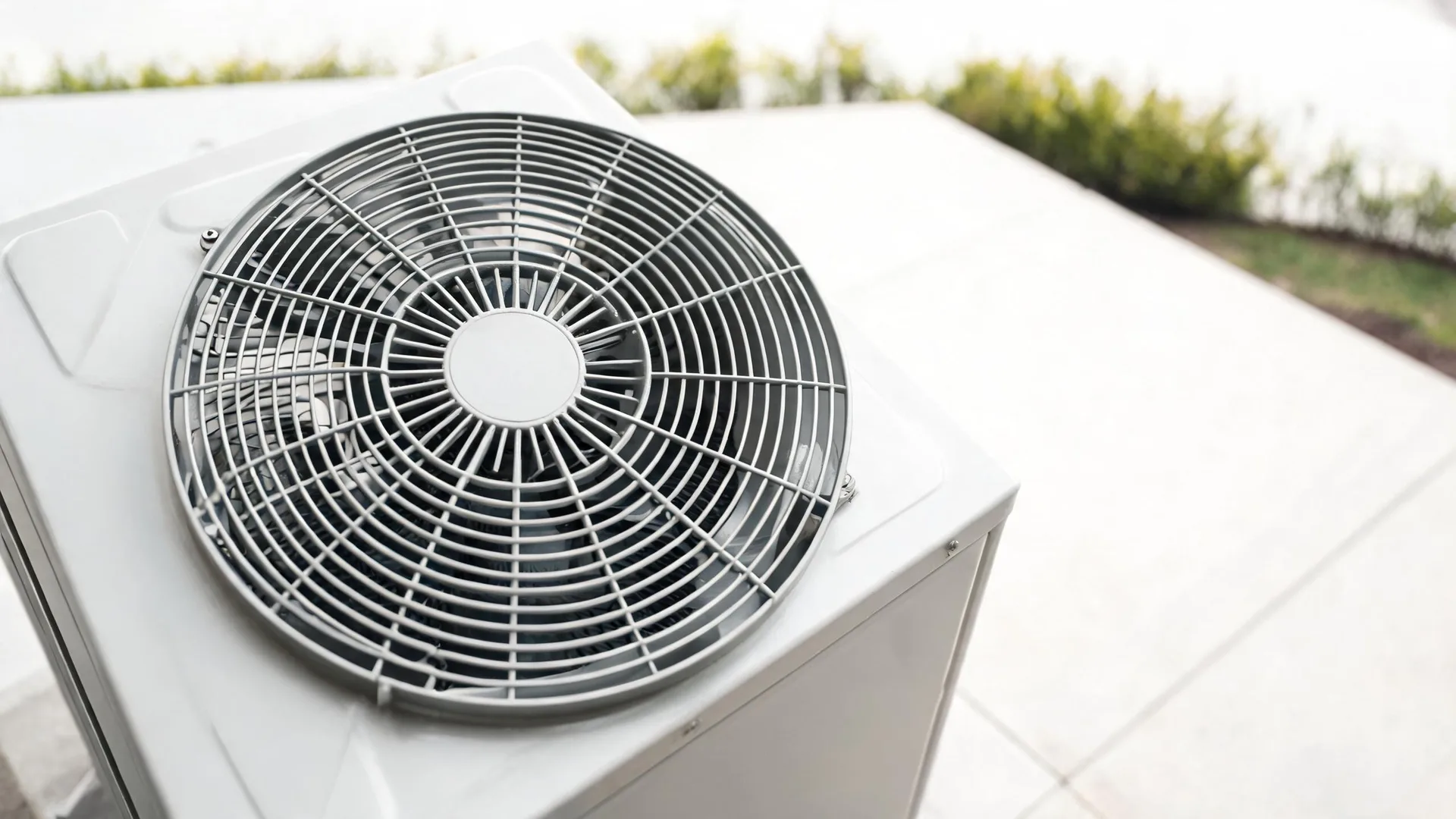
A proper tune-up starts outside at the condenser, pulling leaves and grass clippings away from the cabinet so the coil can breathe. The tech cleans that outdoor coil, since a layer of dirt on it makes the whole system work harder to dump heat. From there it's the refrigerant charge, checked with gauges against what the unit is rated for, not guessed at. The capacitor gets tested under load, because a weak one still starts the compressor right up until the day it doesn't. The contactor and electrical connections get checked too, since a loose connection generates heat right where the system can least handle it. Last comes the airflow side, the blower and the indoor coil, making sure nothing is restricting the air the system is trying to cool.