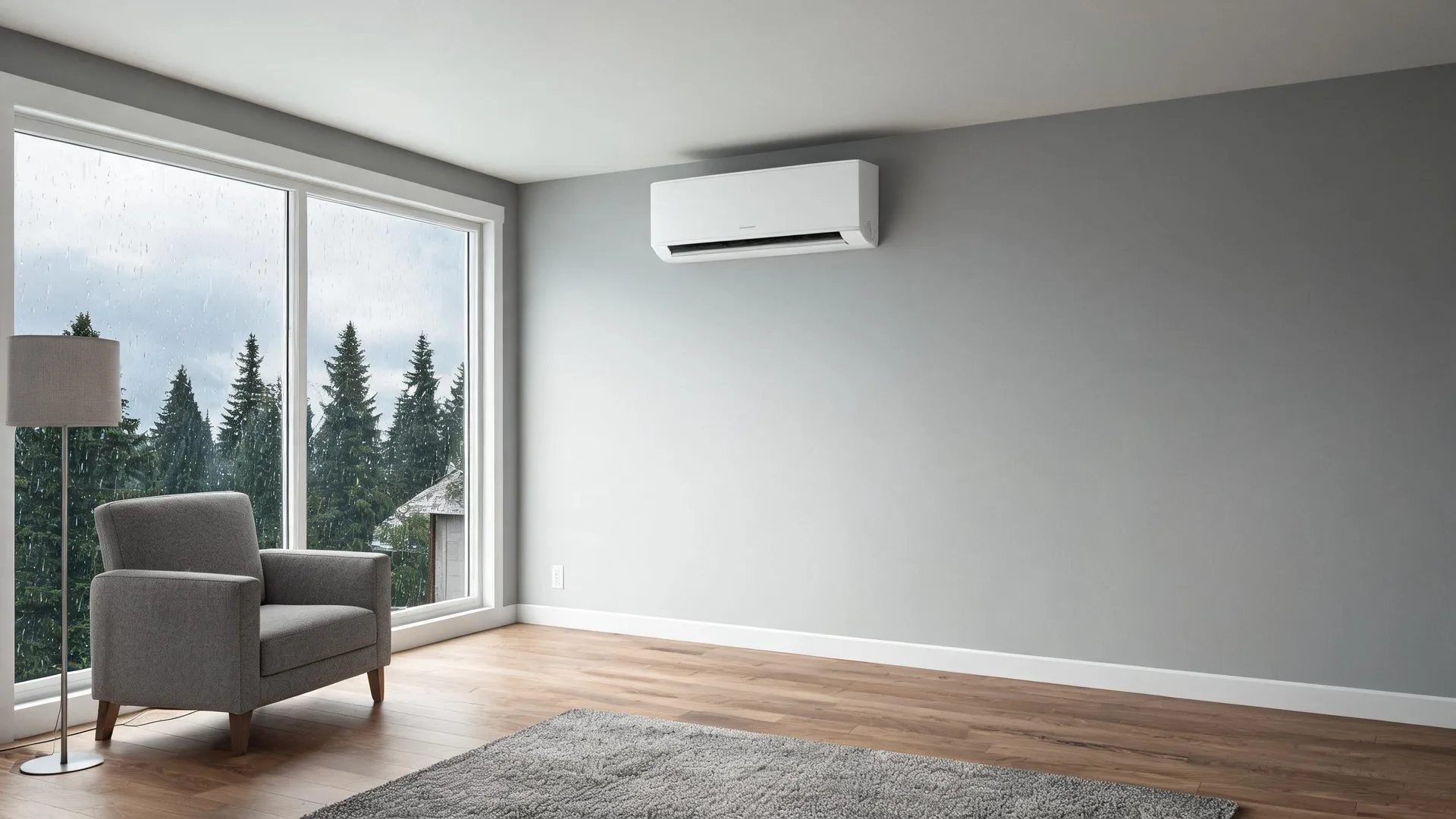
Most of Georgetown heats with electricity
Electricity heats 71.6% of homes in Scott County. Gas furnaces are the exception here, not the rule, and bottled or LP gas accounts for only 5.9%.
Takes about a minute. No obligation.
Electricity heats 71.6% of homes in Scott County. Gas furnaces are the exception here, not the rule, and bottled or LP gas accounts for only 5.9%.
A heat pump mini split heats and cools using electricity, the same fuel most homes here are already wired for. No gas line to add, no new fuel source to plan around.
NOAA nClimDiv, 1991–2020 normals
Scott County logged 84 severe weather events between 2015 and 2024, most of it damaging wind.
A mini split's outdoor unit gets mounted and anchored with that in mind, same as any standard install here.




Summer here runs June through September, four months, with afternoon highs averaging 85°F across the peak of it. That's enough heat to size for, not enough to build a case for anything beyond a standard system. Scott County sits in zone 4A, a mixed climate that asks real work of both sides, heating and cooling, with humidity in the mix on the cooling end. A mini split sized to the room and the load handles that the same way it would anywhere in this zone. Nothing about the weather here pushes you toward a bigger unit or a higher efficiency tier than the job calls for.
Any mini split going in here has to clear 14.3 SEER2 for cooling and 7.5 HSPF2 for heating, the federal minimum for split-system heat pumps. That rule applies whether the system is ductless or not, and it sets the floor for what a contractor can install in zone 4A. A federal tax credit is available for qualifying equipment. Worth sorting out which units on your list qualify before you pick one.
Find a contractorA mini split runs on a compressor cycling on and off, not a flame or a strip of resistance wire, so hours of runtime wear it differently than a furnace. What matters when you compare units is what happens during the hours it's not running full blast. Some systems only know on and off. Others can throttle the compressor down and hold a steady low output for hours at a time, which means fewer stops and starts. Stopping and starting is what wears a compressor, so ask whether the unit you're looking at modulates or just cycles. Also ask about the outdoor unit's duty in the shoulder months, spring and fall, when it's doing light work most of the day. A unit that only runs well at full tilt will short-cycle in those conditions, and short cycling adds up over years even if it's invisible month to month.
SEER2 rates how the unit cools and HSPF2 rates how it heats, and a mini split heat pump carries both because the same outdoor unit does both jobs. A unit can be strong in one and ordinary in the other. Check the one that matches the season you care about more before you judge it as efficient or not.
SEER2 and HSPF2 come from fixed test conditions, not from the wall the indoor head ends up mounted on. A unit sized wrong for the room, or installed with the head blowing straight at a return path or blocked by furniture, will run short of its rating no matter how high that number is. The number on the label describes the equipment. What the room actually gets depends on the sizing and the install.
Whoever installs the mini split still has to deal with what's coming out. If the old system ran on ducts, those ducts stay in the walls and floor unless someone pulls them, and most installers leave them unless you ask. A gas furnace getting replaced means capping the gas line, not just unhooking it. The old outdoor condenser, the indoor coil, the furnace or air handler, all of that gets hauled off, and a refrigerant system has to be recovered properly rather than just disconnected, since venting it isn't legal. If the old thermostat was wired for a furnace and central air, that wiring doesn't carry over to a mini split without some changes, so expect that to come up during the install, not after.
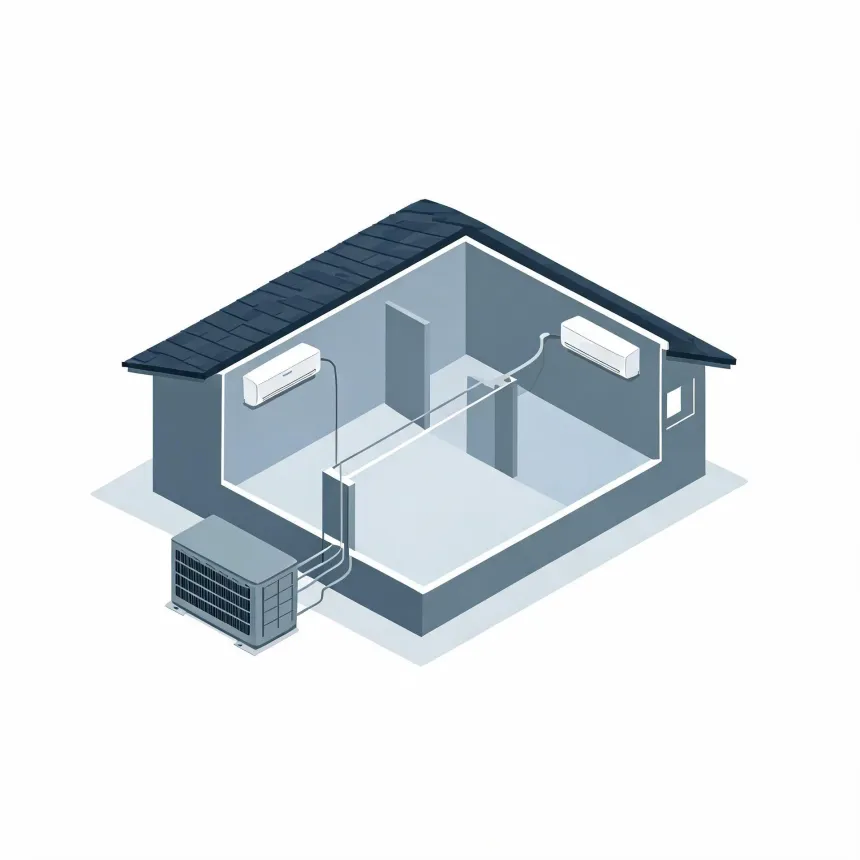
Install day usually starts outside. The outdoor unit needs clear space around it and a level pad or bracket to sit on, so that gets set in place first. Then comes the line set. Refrigerant lines, a drain line and electrical wiring all pass through a single hole drilled in the wall, usually right behind where the indoor head will hang. Both ends get connected, and before any refrigerant moves, the whole system gets pulled down to a vacuum. That step clears out moisture and air that would otherwise damage the compressor. Once it holds vacuum, the system gets charged and run in both heating and cooling before anyone calls the job finished. Mounting the indoor head itself is usually the quickest part of the day.