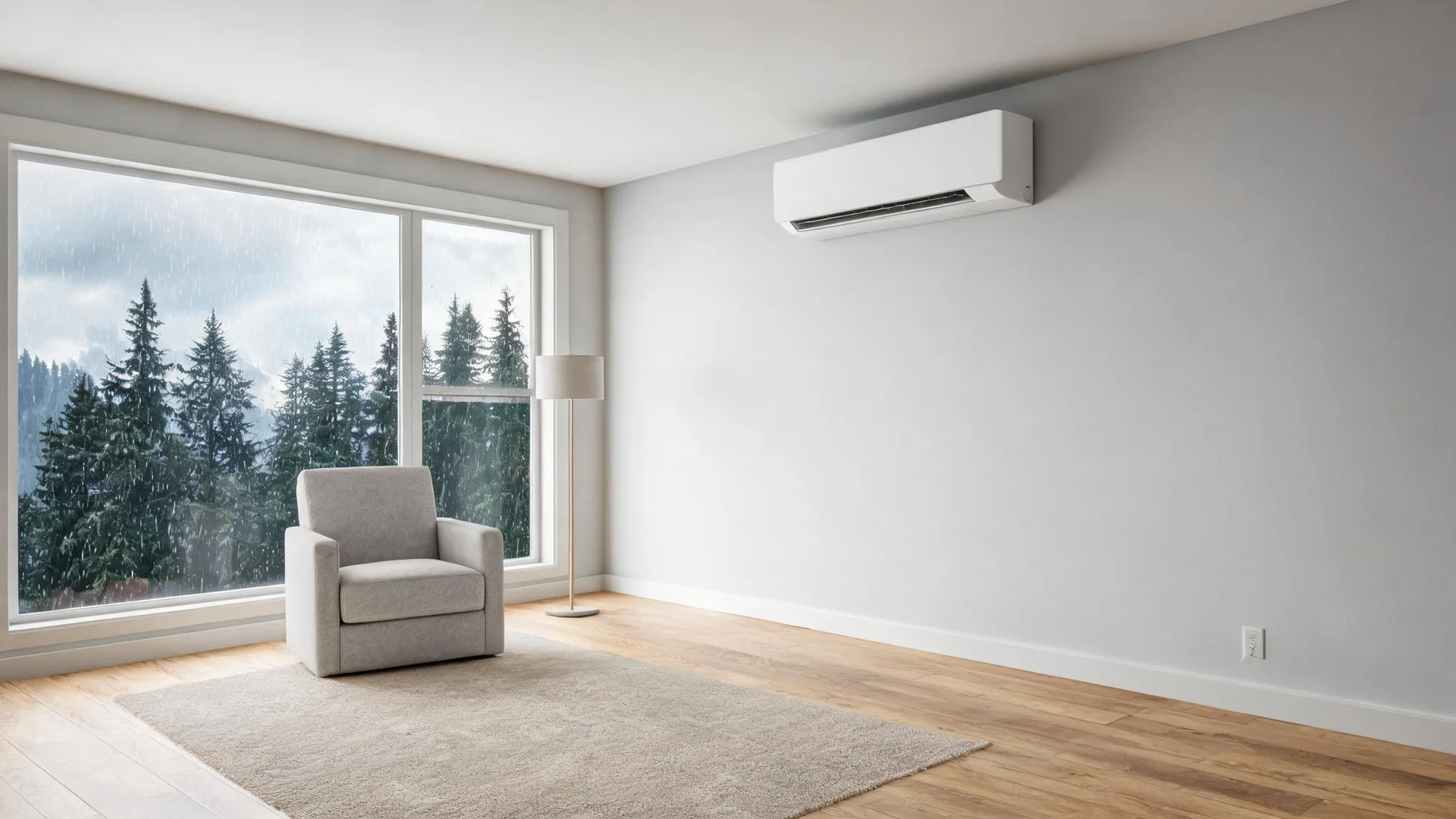
Most homes here run on electric heat
Electricity heats 84.9% of occupied homes in Harlan County. Gas furnaces are rare, with utility gas at 3.4% and propane at 5.1%.
Takes about a minute. No obligation.
Electricity heats 84.9% of occupied homes in Harlan County. Gas furnaces are rare, with utility gas at 3.4% and propane at 5.1%.
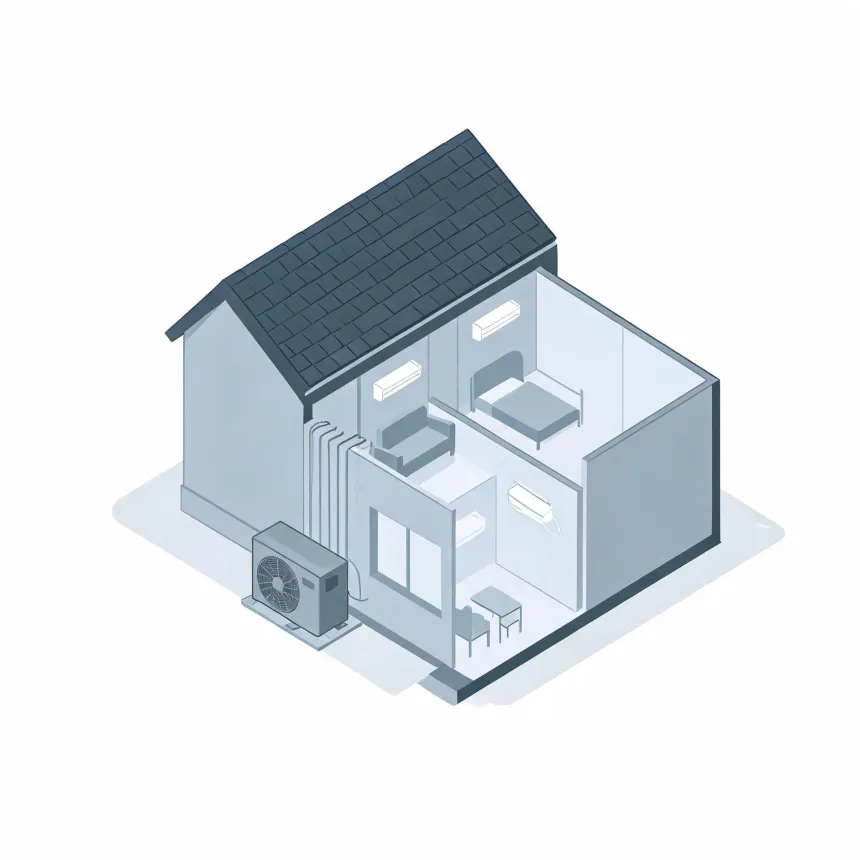
If your home heats with electric resistance or baseboard, a mini split gives you a more efficient way to heat the same rooms, without adding gas lines or ductwork.
NOAA nClimDiv, 1991–2020 normals
Cooling here only runs three months a year, June through August.
A mini split doesn't need to be oversized to keep up with summer in Harlan County.




Electricity in Kentucky runs 12.79 cents per kilowatt-hour, cheaper than most of the country. That changes the math on which mini split to install. A higher-efficiency model costs more up front and takes longer to earn that back when power is already this cheap. So the SEER2 number on the spec sheet matters less here than whether the unit is sized right for the rooms it's heating and cooling. A contractor can walk you through the efficiency tiers, but in Harlan County the bigger question is fit and reliability, not squeezing out another point of efficiency.
Half the homes in Harlan County were built in 1976 or earlier, and about one in five homes here is a mobile home. A mini split sized for a newer, tighter house won't necessarily fit one built decades ago. Sizing and placement need to match the house you actually have.
Find a contractor
A load calculation before install tells a contractor how many BTUs the rooms need and where the indoor units and line set should go. That walkthrough carries more weight on a house built before the newer energy codes than it would on new construction. Wall construction and where a line set can run differ by house, mobile homes included, and a mini split sized off a spec sheet alone can end up wrong for the rooms it's supposed to cover.
A single indoor unit tied to one outdoor condenser is a simpler install than a system feeding several rooms. Every extra zone means another line set run, another mounting location, and another spot the contractor has to open up wall or get through it. Pricing follows that complexity, not just the equipment itself.
The outdoor condenser needs a clear, solid spot to sit, and the refrigerant line has to get from there to each indoor unit without too many bends or too long a run. A straight shot through one wall is a quick job. Routing line set through multiple rooms, up a story, or around framing takes more labor and more material, and that shows up in the final number.
SEER2 is a cooling efficiency rating, and a mini split carries a separate rating for heating, called HSPF2. Both numbers come from lab tests run at set conditions, so they tell you how the equipment performs on paper, not how it will run in a specific room. A higher number means the compressor is better at moving heat for the electricity it uses, in cooling or in heating. It says nothing about whether the unit is the right size for the space. An oversized unit with a high rating will still short cycle, turning on and off faster than it should, which wears the compressor and leaves the room uneven. The rating tells you about the equipment. Sizing and placement tell you whether that equipment does its job in your house.
A mini split installation usually means something else comes out first, whether that's an old window unit, a baseboard heater, or a furnace and the ductwork feeding it. Baseboard heaters get shut off at the breaker and pulled from the wall, and the wiring either gets capped or reused for the new indoor unit's electrical needs. A furnace being replaced outright is disconnected from its gas line and vented flue, and that flue has to be sealed off properly so it isn't left open to the outside. Window units just come out of the window. None of this equipment gets reused. A contractor hauling it off also has to deal with the refrigerant in an old central system, since it can't legally be vented into the air and has to be recovered first. What's left behind, the wall or window opening, gets patched before the new line set goes in.