Pike County sees its share of storms
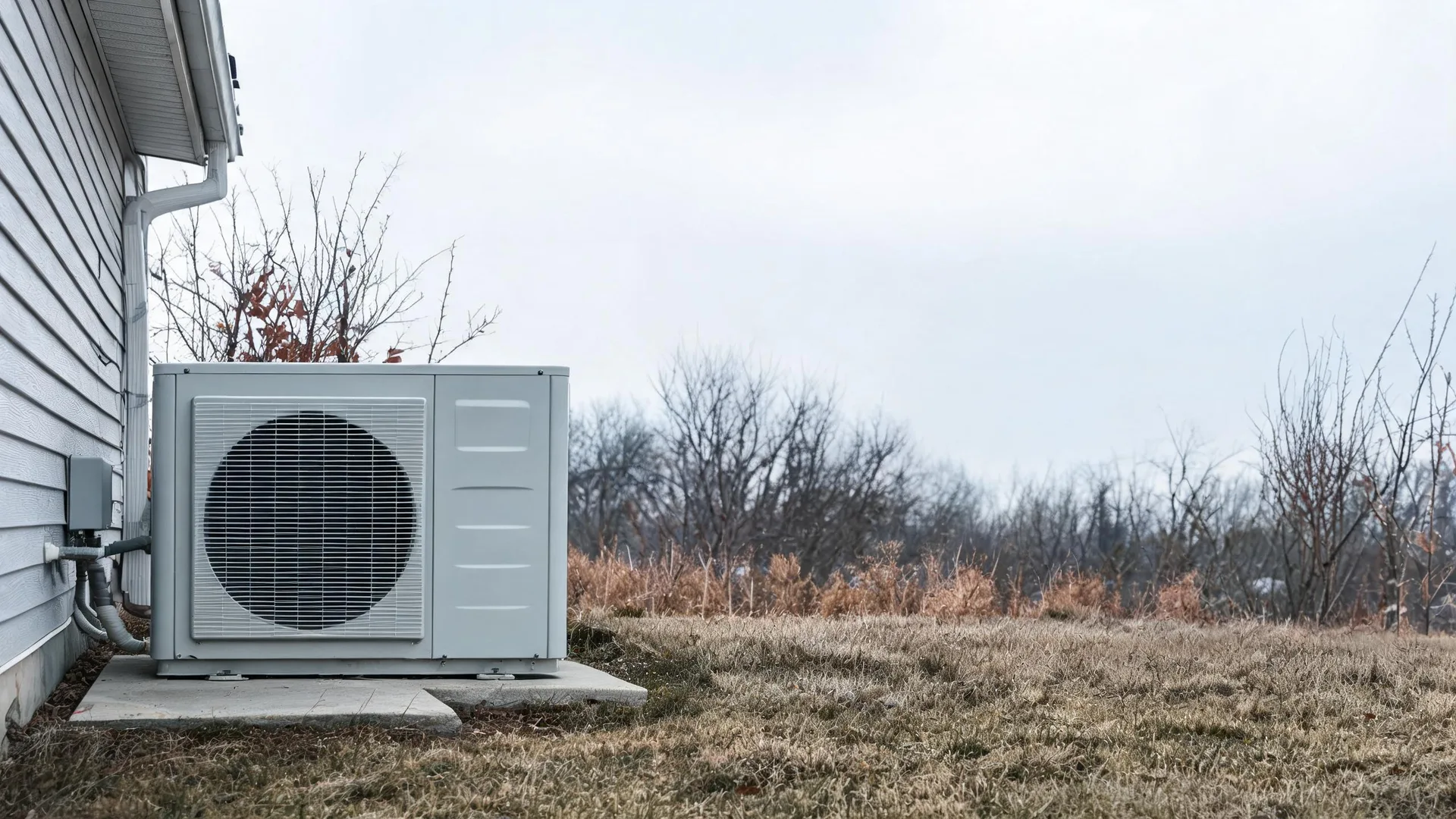
Pike County logged 164 severe weather events between 2015 and 2024. Damaging wind did most of it. An outdoor AC unit sits outside through all of that, exposed to wind-blown debris and hail.

Takes about a minute. No obligation.
Pike County logged 164 severe weather events between 2015 and 2024. Damaging wind did most of it. An outdoor AC unit sits outside through all of that, exposed to wind-blown debris and hail.
Nearly a quarter of Kentucky households went at least 24 hours without power in 2024. A new AC install is a good time to ask where the outdoor unit goes and what happens to cooling in your home when the power is out for a while.

NOAA nClimDiv, 1991–2020 normals
AC in Pike County runs June through September.
May is the month to put in a new system, before the first hot week puts you on a waiting list.




Electricity heats 78.6% of homes in Pike County, more than anywhere else by a wide margin. Gas service reaches 13.8%, and bottled or LP gas heats another 3.4%. With electricity already running the furnace or heat pump in most houses here, an AC install usually ties into wiring that's already in place rather than something new. If your home is part of that majority, a straight swap of the outdoor unit is often the simplest job a contractor can do. Homes on gas heat still cool with electric AC, so the fuel mix matters less for this particular job than it does for heating.
Any new AC installed here has to clear 14.3 SEER2, the Southeast's regional minimum, not just the 13.4 SEER2 floor that applies elsewhere in the country. That rules out some of the lower-end equipment you might find listed online. A contractor working in Pike County already knows which units are built to meet it.
Find a contractor
Half the homes in Pike County were built in 1985 or earlier, half in 1985 or later. That split doesn't call for a bigger or pricier system. A properly sized unit cools an older home the same way it cools a newer one, as long as the install matches the house. Mobile homes make up 34.9% of the housing here, worth mentioning to the contractor since a mobile home's AC connects differently than a site-built house does. Outside of that, nothing about the homes in Pike County changes what size or efficiency this job needs.
A unit sized to the house costs less to install than one sized up out of caution. Getting the size right means someone calculates the load room by room, checking windows, doorways and how the ductwork is laid out, rather than matching whatever was there before. A unit too big cycles on and off fast and never runs long enough to settle, one too small runs constantly and still can't keep up. Either mistake costs more than the time it takes to do the calculation.
If the ducts already fit the new unit, the job is mostly swapping equipment and connecting it. If the ducts are undersized, leaky, or routed in a way that doesn't match the new unit's airflow, a contractor has to open walls or ceilings to fix them before the system can work the way it's supposed to. That difference, not the unit itself, is usually what separates a short job from a long one.
Estimates for a typical Pike County home, from EIA household energy data, Kentucky fuel prices and NOAA climate normals. Your home will differ.
Install day starts with the old equipment coming out. The outdoor unit, the indoor coil, and sometimes the line set if it's damaged or doesn't match the new system. A contractor checks the electrical disconnect and the breaker before anything goes in, since a new unit can draw different power than the old one. Setting the outdoor unit means leveling a pad, connecting the refrigerant lines, then pulling a vacuum on those lines before any refrigerant goes in. Any moisture or air left in the lines causes trouble for the compressor later, so that step doesn't get skipped. Inside, the coil gets matched to the furnace or air handler, and the system gets charged to the exact weight the manufacturer specifies. Before anyone leaves, the system runs through a full cycle while airflow at the vents gets checked and the thermostat gets confirmed to be talking to the equipment.