Aerial view of a gray central air conditioning condenser unit on a concrete pad next to a house with vinyl siding.

AC Installation in Russellville, KY

Tell us about the job

Takes about a minute. No obligation.

New system or replacementCentral ACLogan County, KY
Step 1 of 2

What ZIP code is the job in?

Most homes here run on electricity

Electricity heats 44.9% of occupied homes in Logan County, with gas utility service reaching another 29.9% and LP or bottled gas making up 22.1%. An electric furnace or heat pump paired with central air is the setup most homes here already have.


What that means for your install

If your home already runs on electric heat, adding or replacing central air usually means working with wiring and ductwork that's already in place. A contractor can tell you whether your current setup is sized right for the new system or needs changes to match it.

5 months
May through September, your air conditioner is on duty
88°F
the average summer afternoon it cools against
5 hail events
in ten years, and hail bends the fins on outdoor coils
13.4 SEER2
the federal minimum any new unit must meet
Isometric line illustration of a cutaway single-story house showing interior rooms, ductwork, an indoor air handler or furnace, and a refrigerant line running to an outdoor condenser unit on a pad.
Your air conditioner works hardest from June through August.

NOAA nClimDiv, 1991–2020 normals

AC runs May through September here, five months a year.

April is the month to put in a new system, before the first hot stretch asks something of it.

Weather here is rough on power lines, not on AC units, so a standard install holds up fine

92 severe weather events from 2015 to 2024
24% of homes statewide lost power a day or more in 2024
69 damaging wind events from 2015 to 2024

A standard-sized system is the right call here. Afternoons average 88°F through June, July and August, and that's well within what any properly sized central AC is built to handle. Nothing about the heat here calls for oversizing the unit or paying for a higher efficiency tier than you'd need anywhere else in the region. The bigger factor is the power behind it. Logan County sees damaging wind often enough that outages happen, and that's a grid issue, not an equipment issue. A standard install, done right, holds up fine through both.

A new AC here has to clear a higher bar than the national minimum

Any new system installed here has to meet 14.3 SEER2, the regional minimum for this part of the Southeast, which runs higher than the national floor of 13.4 SEER2. That rules out some lower-tier equipment before you even start comparing options. A federal tax credit is available for qualifying high-efficiency systems, which is worth factoring into what you install now.

Find a contractor
A man in a dark long-sleeve shirt, cap, and tan work pants walks up wooden steps toward a dark green front door, carrying a canvas tool bag with hand tools, beside a potted shrub.
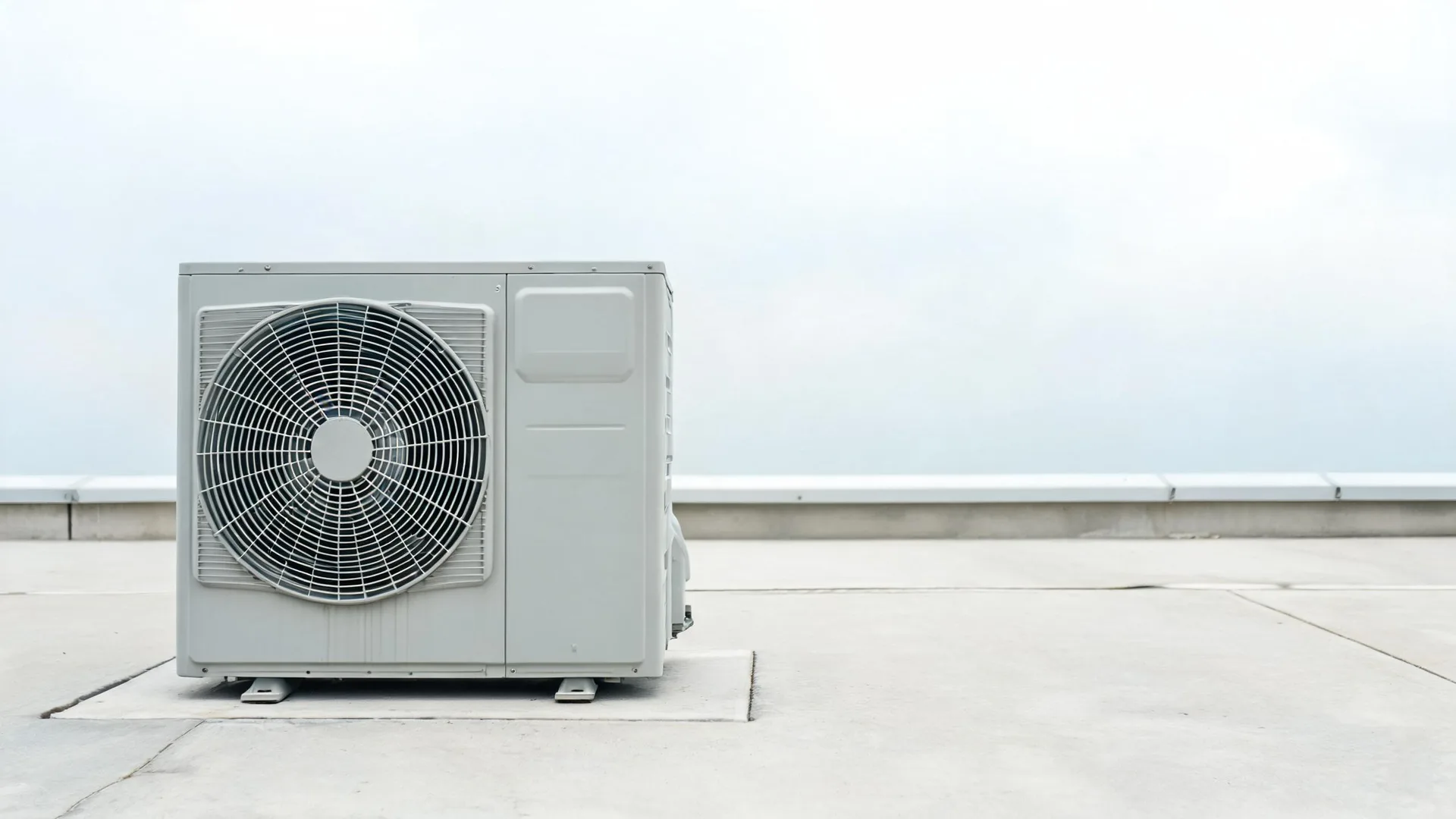
An outdoor residential air conditioning condenser unit mounted on a concrete pad, surrounded by gravel with a blue sky in the background.

The rating on the label only holds up if the install matches it

That SEER2 number on the label is measured over a full season, not on one hot afternoon. It assumes the system cycles on and off the way it would in normal use, running hard sometimes and coasting other times. A unit sized and installed right will get close to its rated number over a season of real use. A unit that's oversized, undersized, or paired with a mismatched coil won't, no matter what the label says, because it's not running the way the rating assumes. The number on the sticker is a ceiling. What the system actually does in the house depends on the install underneath it.

The ductwork decides more than the unit does

If the ducts are already sized right and sealed well, a crew can connect a new system in a day and the cost is mostly the equipment. If the ducts are undersized, leaky, or routed badly for the new unit, that gets fixed first, and that work can cost more than the condenser itself. Nobody knows which case applies until a contractor is standing in the attic looking at it.

Matching the coil to the condenser isn't optional

The outdoor condenser and the indoor coil have to be matched for the refrigerant and capacity to work as designed. Reusing an old coil with a new condenser might start up and run, but it won't hit the efficiency rating on the new unit's label, and a mismatched set wears the compressor faster. Replacing both at once costs more up front than swapping just the outdoor unit, but it's the only way the new system performs the way it's rated to.

An overhead view of a residential air conditioning condenser unit mounted on a concrete pad next to a house with vinyl siding.

Going above the federal minimum saves little here, about $20 a year.

  • A higher-efficiency unit$280 a year
  • A new unit at the federal minimum, 14.3 SEER2$300 a year

Estimates for a typical Logan County home, from EIA household energy data, Kentucky fuel prices and NOAA climate normals. Your home will differ.

Install day starts with the old system coming out. The crew recovers the refrigerant from the old unit before they disconnect anything. That part is federal law, not a choice a contractor gets to make. With the old equipment clear, they set the new condenser on its pad and mount the indoor coil. If the line set doesn't match the new refrigerant, they run new line. Then comes brazing the refrigerant lines, pulling a vacuum on the whole system, and charging it to the weight the manufacturer specifies. A system powered on before that vacuum is done right will still run. It just won't last like it should. Once it's charged, the crew checks airflow at the vents and runs the system through a full cycle to make sure it's cooling and the pressures hold steady.