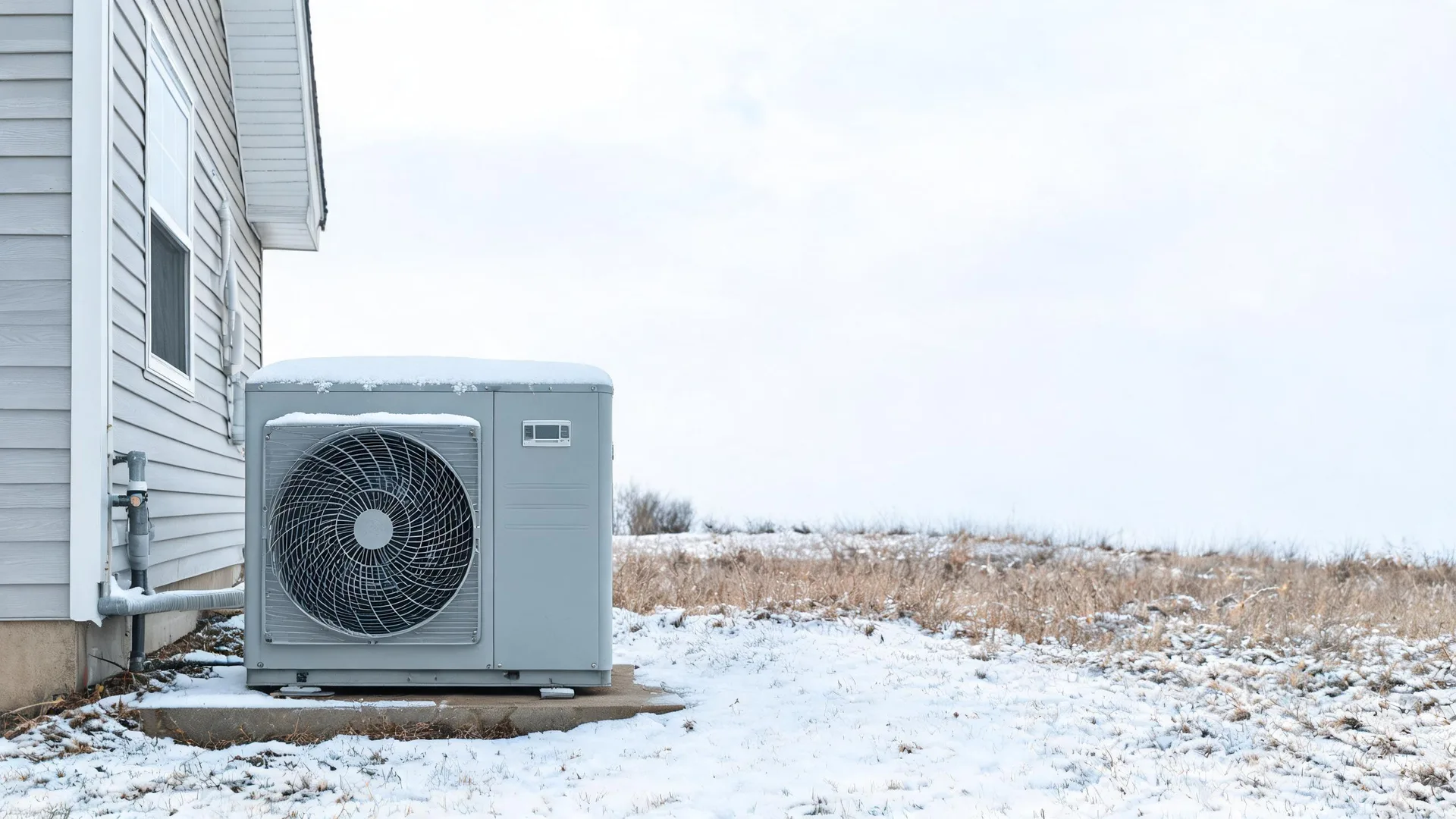
Most homes here run on electric heat
Electricity heats 78.3% of occupied homes in Bell County. Utility gas accounts for 12.4%. An electric furnace or heat pump paired with your new AC is the common setup here, not the exception.
Takes about a minute. No obligation.
Electricity heats 78.3% of occupied homes in Bell County. Utility gas accounts for 12.4%. An electric furnace or heat pump paired with your new AC is the common setup here, not the exception.
If your home already runs on electric heat, a straight swap on the cooling side keeps things simple. A heat pump is worth asking about too, since it uses the same electric setup to cover both heating and cooling.

NOAA nClimDiv, 1991–2020 normals
AC here runs June through September.
May is the month to get the new system in, before the first hot week hits.



Four months of real cooling load, with afternoon highs averaging 83°F through June, July and August, is a normal ask for a standard-size system. Bell County sits in zone 4A, a climate that works both the furnace and the AC over a full year, but that doesn't change what the cooling side needs to be. There's no stretch of extreme heat here pushing you toward a bigger unit or a higher efficiency tier than the house actually calls for. A correctly sized system matched to your square footage will keep up fine through the summer months. Where it's worth spending more is on the installation itself, not the equipment tier.
Replace it before the season starts, so it happens on your schedule, not in a hurry.
Find a contractor
Half the homes in Bell County were built in 1979 or later, half before that. A house that age has had time for the ductwork to settle, sag, or pick up a leak at a joint, and that's worth a look during install since it changes how well the new system can actually deliver air to every room. Mobile homes are close to a quarter of the housing stock here, and that kind of home needs a system sized and installed for that construction, not handled like a site-built house. Outside of those two things, nothing about the homes here calls for a bigger unit or a longer install than normal. A system sized to the square footage runs the same here as anywhere else in this climate zone.
The rating on the label says how much cooling a system delivers for the electricity it uses. It says nothing about how much cooling your house needs. A unit with a high rating that's too big or too small for the space still runs poorly. Size comes first, from a load calculation on the house. The rating only matters once that number is right.
The equipment at the top of the efficiency range costs more to buy and often more to install, since it can call for a different indoor coil or additional electrical work. That cost is certain on install day. What it saves on the electric bill depends on how many hours the system actually runs over a year, which is why the payback is never as simple as the label makes it look.
Estimates for a typical Bell County home, from EIA household energy data, Kentucky fuel prices and NOAA climate normals. Your home will differ.
Installation starts with pulling the old equipment out, the indoor coil, the outdoor unit, and whatever line set isn't being reused. The tech will check the line set and the ductwork before setting anything new, since a new system running through old, leaky connections won't deliver what it's rated for. Setting the outdoor unit and mounting the new coil usually goes quick. Then comes brazing the refrigerant lines, pulling a vacuum on the system to clear out moisture and air, and charging it to the exact amount the manufacturer specs, not just until it feels cold. Electrical hookup and a check of the thermostat wiring come next. Before anyone leaves, the system should run through a full cycle while the tech checks airflow at the vents, refrigerant pressures, and the temperature drop across the coil. That last check is what tells you the system is actually sized and charged right, not just installed.