





Overhead view of a gray outdoor AC condenser unit on a concrete pad beside a mulched garden bed and a house with vinyl siding.

AC Installation in Shelbyville, KY

Tell us about the job

Takes about a minute. No obligation.

New system or replacementCentral ACShelby County, KY
Step 1 of 2

What ZIP code is the job in?

Electricity heats almost half the homes in Shelby County, just under half again on utility gas, and a smaller share on LP. If your home is on electric heat, you likely have a heat pump or an air handler with electric strips, and central AC installation often means working with equipment that already shares a line set or air handler with the heating side. Matching a new AC unit to what's already there, rather than switching systems, is usually the simpler job and the one most contractors here are set up to do well.

5 months
May through September, your air conditioner is on duty
85°F
the average summer afternoon it cools against
21 hail events
in ten years, and hail bends the fins on outdoor coils
13.4 SEER2
the federal minimum any new unit must meet
Isometric line illustration of a cutaway single-story house showing interior rooms, ductwork, an indoor air handler or furnace, and a refrigerant line running to an outdoor condenser unit on a pad.
Your air conditioner works hardest from June through August.

NOAA nClimDiv, 1991–2020 normals

April is the month before Shelby County homes start running AC for the summer.

Get the new system in during April, and it's ready to go on day one in May instead of getting installed in a rush.

Power here runs 12.79 cents a kWh, so a new AC earns its keep on reliability, not on shaving the bill

Power costs 12.79 cents a kWh statewide
Cooling runs May through September
Summer afternoons average 85°F

With power this cheap, don't pick a unit just because it carries the highest SEER2 number on the sticker. Put the money into the installation instead. That means a properly sized unit, a clean line set connection, and a charge that's checked with gauges instead of guessed at. A mismatched or poorly installed system will cost you in repairs and comfort long before a few efficiency points would have shown up on your bill. Ask the contractor what size they're recommending and why, not just what rating the equipment carries.

Any system installed here has to meet the Southeast's higher efficiency minimum

Any new AC going in here has to clear 14.3 SEER2, the Southeast minimum for units under 45,000 Btu/h, a notch above what's required elsewhere in the country. That rules out some of the lower-end equipment you might find listed for other states. It also means the installer is working from a narrower list of units, so the one they recommend should already meet code without you having to ask.

Find a contractor
A gray cylindrical air conditioning condenser unit mounted on a concrete pad next to a light-colored vinyl-sided house exterior.

A normal season, and a system sized for it

Five months of real cooling, May through September, with afternoon highs averaging 85 through the summer stretch. That's a normal season for a system to carry in a mixed climate like this one, not a heavy one. A standard size and a standard efficiency rating are built for exactly this kind of run. Nothing about Shelby County asks a unit to work harder than it was designed to.

The old unit gets disconnected and hauled off

The installer recovers the refrigerant from the old system before touching anything else, since it's against the law to vent it into the air. After that the outdoor unit, the indoor coil, and any old line set that isn't being reused come out. A contractor doing the job right disposes of the refrigerant and the equipment properly rather than leaving it for the homeowner to deal with.

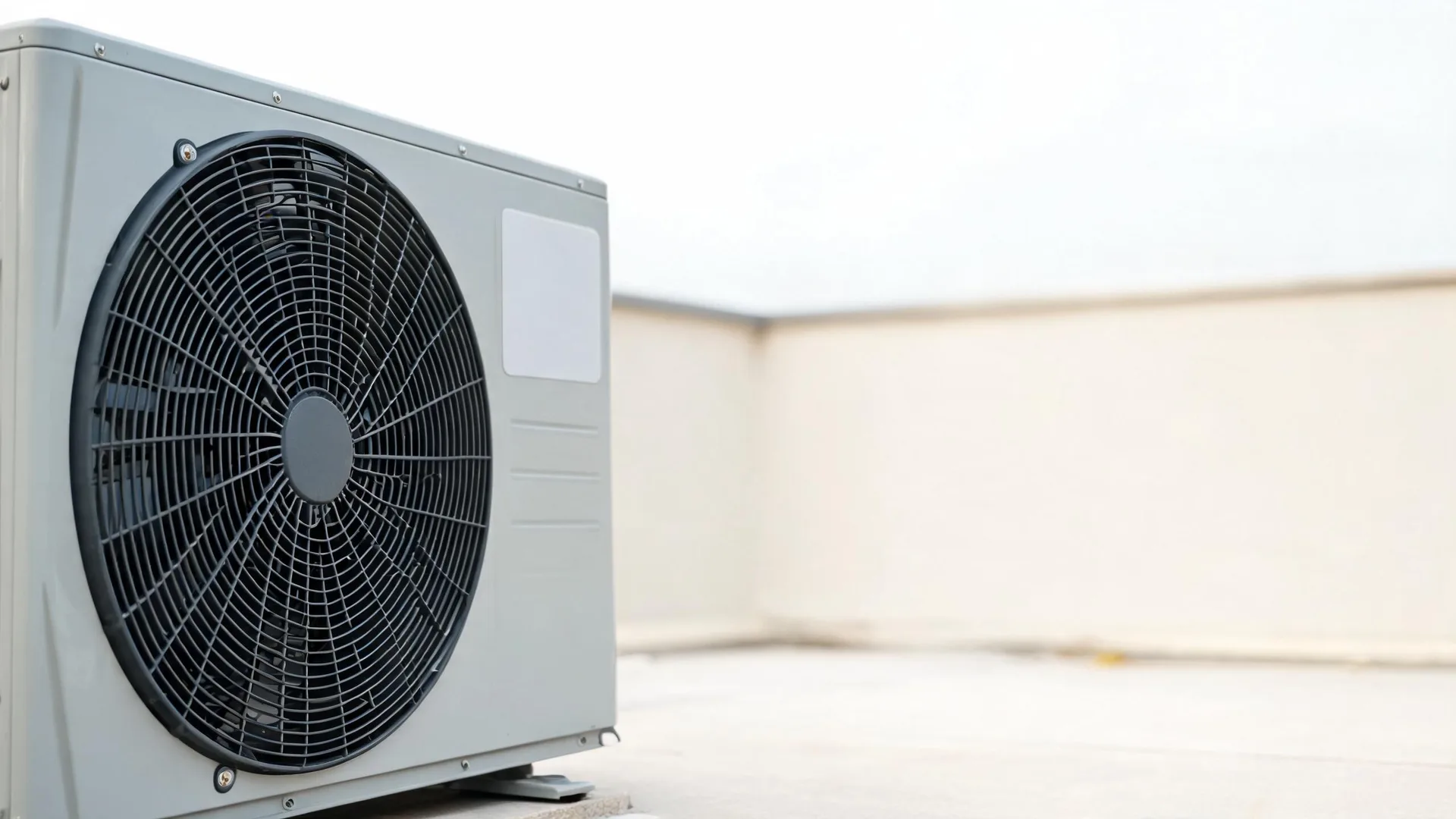
What stays depends on what's being reused

If the new unit is going on the existing line set, that copper gets pressure tested and often flushed before the new equipment connects to it. Old refrigerant oil or debris left in the lines can contaminate a new compressor fast. A contractor who skips the flush or the pressure test on reused line set is cutting a corner that shows up later as a failed compressor, not as a problem on day one.

An outdoor air conditioning condenser unit positioned beside a blue-sided house at sunset.

Going above the federal minimum saves little here, about $20 a year.

  • A higher-efficiency unit$220 a year
  • A new unit at the federal minimum, 14.3 SEER2$240 a year

Estimates for a typical Shelby County home, from EIA household energy data, Kentucky fuel prices and NOAA climate normals. Your home will differ.

On install day the crew sets the new outdoor unit on its pad and runs the line set before anything gets charged with refrigerant. Once the indoor coil and outdoor unit are connected, the system gets pulled into a vacuum to draw out moisture and air. It has to hold that vacuum for a while before anyone moves on. Skip that step and moisture left in the lines turns into acid once the system runs, and that eats at the compressor from the inside. Only after the vacuum holds does the installer weigh in the refrigerant charge and check it against gauges, not by feel. The last part of the day is airflow, setting the blower speed, checking supply and return, and confirming the thermostat is talking to the right equipment. A system that looks finished but was never checked on gauges is still an unfinished job.