






Three lit brick homes on a tree-lined residential street photographed at dusk.

AC Installation in Nicholasville, KY

Tell us about the job

Takes about a minute. No obligation.

New system or replacementCentral ACJessamine County, KY
Step 1 of 2

What ZIP code is the job in?

Most homes in Jessamine County heat with electricity, 62.6% of them. That usually means a heat pump or an electric furnace already in place, with the ductwork sized to match. If you're installing central air alongside one of those, the new AC can often share that same duct system rather than needing new runs cut in. Utility gas heats 32.6% of homes here, and those setups pair a gas furnace with a separate AC coil on the same air handler. Either way, whoever installs it will need to know which one you have before sizing anything.

5 months
May through September, your air conditioner is on duty
85°F
the average summer afternoon it cools against
9 hail events
in ten years, and hail bends the fins on outdoor coils
13.4 SEER2
the federal minimum any new unit must meet
Isometric illustration of a cutaway single-story house showing interior rooms, ductwork running from an indoor air handler, and an outdoor condenser unit on a pad beside the building.
Your air conditioner works hardest from June through August.

NOAA nClimDiv, 1991–2020 normals

Summer here runs May through September, with afternoon highs around 85°F.

A standard size and efficiency rating handles that fine, no need to size up.

Nothing about Jessamine County's weather calls for anything beyond a standard system

62 severe weather events from 2015 to 2024
24% of homes statewide lost power a day or more in 2024
37 damaging wind events from 2015 to 2024
Cheap power here changes the mathKentucky electricity runs 12.79 cents a kilowatt-hour, well under the national average

Cooling starts in May here, which makes April the month to get a new system in. Wait until the first warm week and you're choosing a unit under pressure, taking whatever install date is open instead of the one that works for you. A spring install also means the system gets tested under real load almost right away, during that first run from May to September, while everything is still fresh in the installer's mind if something needs adjusting. There's no gas furnace pairing to coordinate in most homes here, so the job is usually just the AC side, which is part of why there's room to schedule it ahead of the season instead of during it.

A new AC here has to meet a higher bar than the rest of the country

Any new system installed here has to meet 14.3 SEER2, the Southeast minimum for units under 45,000 Btu/h, a step above what's required elsewhere in the country. That's before counting the federal tax credit available on qualifying equipment. Getting it sized and installed before summer means it's running at the standard this region requires from the first hot day, not a scramble during one.

Find a contractor
A gray residential air conditioner condenser unit mounted on a concrete pad in an open grass field.

What drives the cost of an install

Size is what moves the price most. A load calculation looks at the whole house, window placement, insulation, how many rooms, not just the square footage or the number stamped on the old unit. Get the size wrong and the system either runs constantly trying to catch up or shuts off before it pulls the moisture out of the air, so the house feels clammy even at the right temperature. Ductwork is the other piece. If what's there is sized right and sealed well, the new coil and condenser can usually tie into it. If the ducts are undersized or leaky, bringing them up to spec is its own job on top of the equipment. Efficiency rating plays into it too, and it's a real trade-off, not just a bigger number on the sticker. Higher-rated equipment often needs a larger coil or a different line set to actually perform at that rating, which is part of what the installer is pricing when they quote the job.

Sizing comes from a load calculation, not the old unit

An installer works out size room by room, counting windows, insulation, ceiling height, and which walls face the sun. Matching the new system to whatever's being replaced just carries any old sizing mistake into the new equipment.

Oversized cools fast but leaves the air damp

A system that's too big chills the room and shuts off before it finishes pulling moisture out of the air. The thermostat reads satisfied, but the house still feels sticky, and the compressor cycles on and off far more than it's built for.

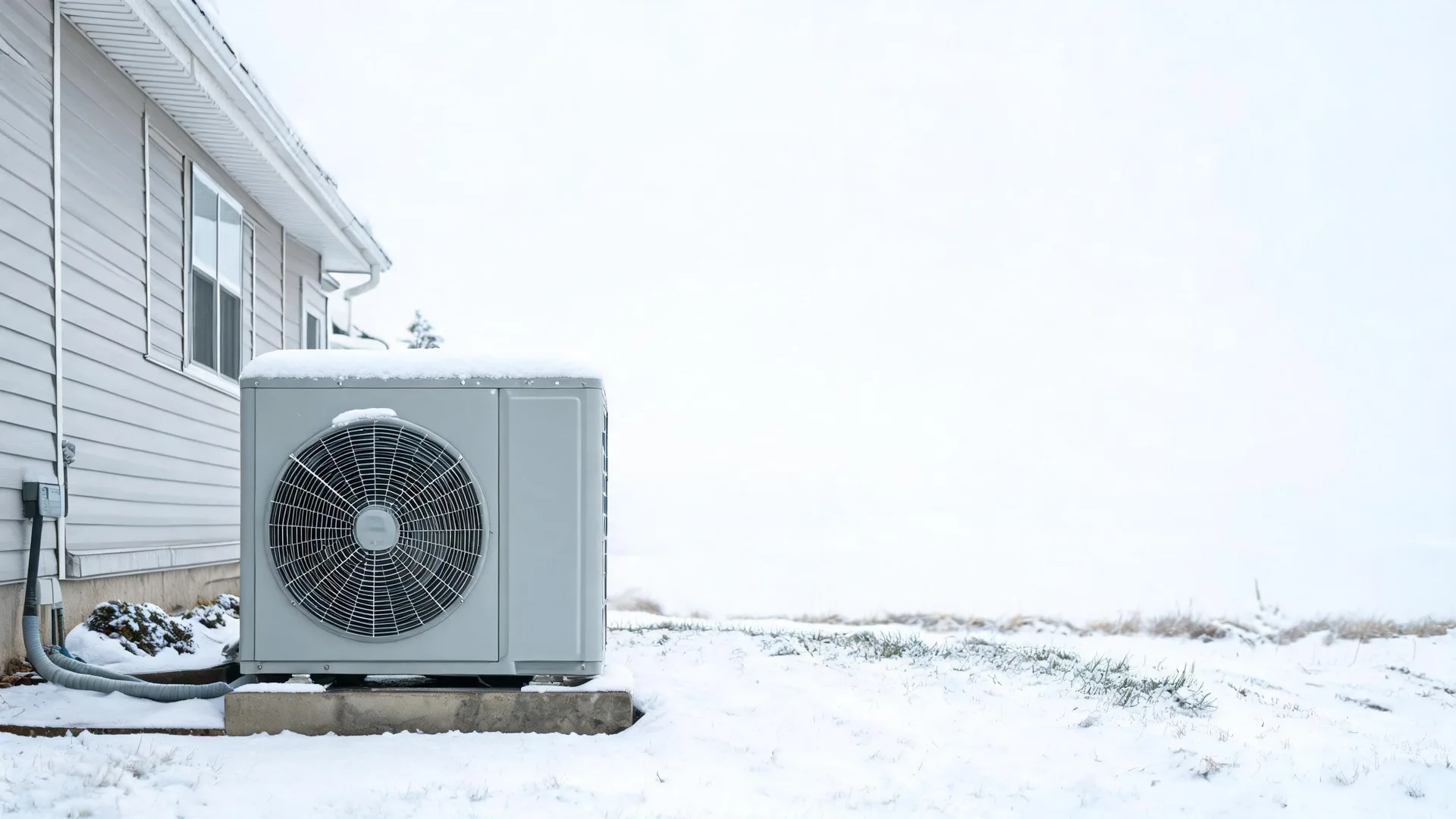
An outdoor air conditioning condenser unit on a concrete pad next to the gray vinyl siding of a residential home.

Going above the federal minimum saves little here, about $10 a year.

  • A higher-efficiency unit$230 a year
  • A new unit at the federal minimum, 14.3 SEER2$240 a year

Estimates for a typical Jessamine County home, from EIA household energy data, Kentucky fuel prices and NOAA climate normals. Your home will differ.

Installation day starts with the old equipment coming out, the condenser outside, the coil and air handler or furnace inside, along with the old refrigerant lines. Whoever's doing the work has to recover the old refrigerant rather than venting it, that's a legal requirement, not a courtesy. New line sets get run if the old ones don't match the new system's specs, and the pad outside gets leveled or replaced if it's cracked or sunk. Inside, the coil goes in above the furnace or air handler, the lines get connected, and the whole system gets evacuated to pull moisture and air out before refrigerant goes in. Once it's charged, the installer checks airflow at the vents, checks the temperature split between the air going in and the air coming out, and confirms the system holds steady rather than short-cycling. A good installer walks the thermostat settings with you before they leave, so you're not guessing at it later.