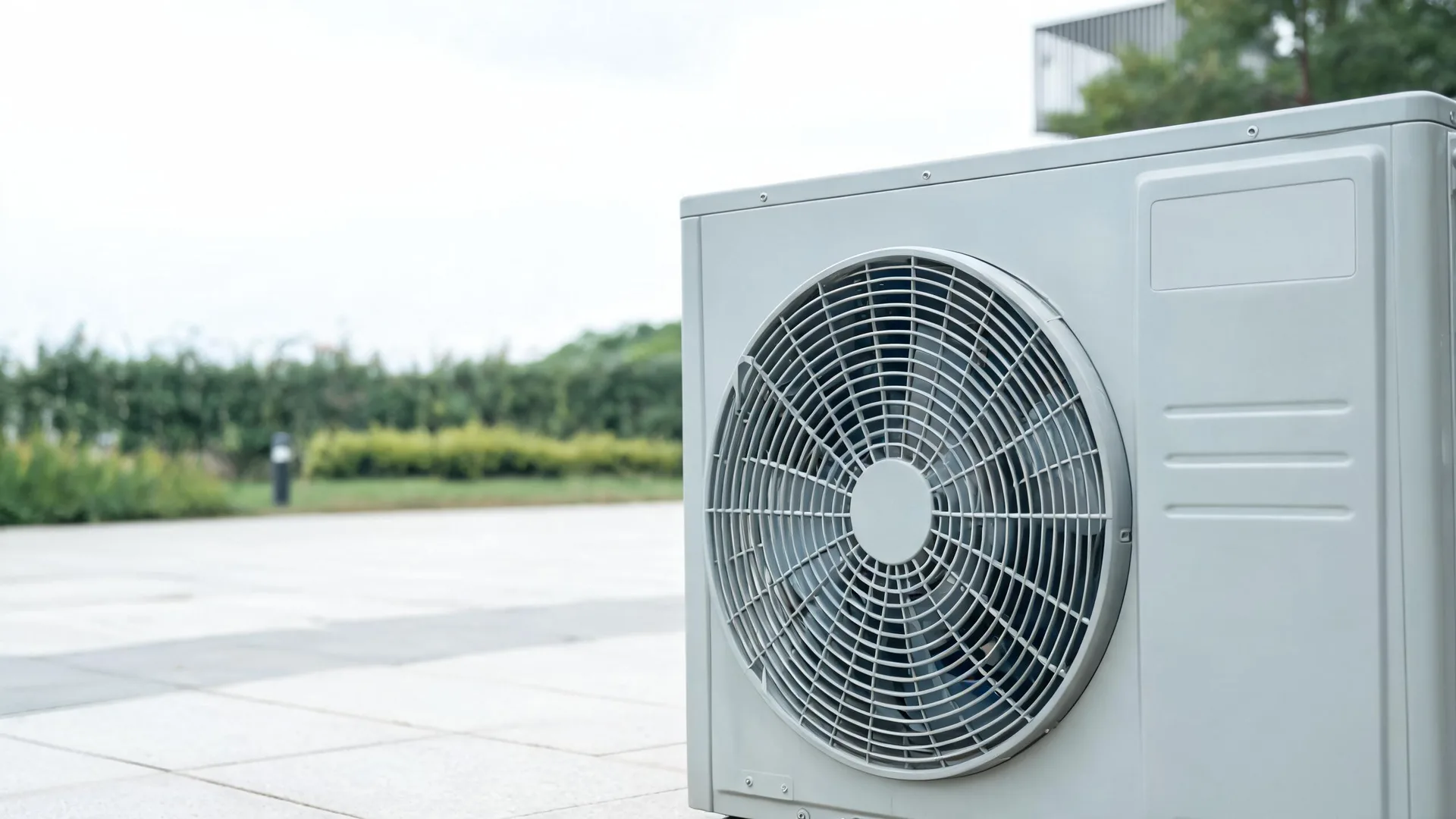
Most homes here run on electric heat
Electricity heats 62.6% of occupied homes in Carter County. Propane is next at 19.1%, and utility gas reaches 9.8%.
Takes about a minute. No obligation.
Electricity heats 62.6% of occupied homes in Carter County. Propane is next at 19.1%, and utility gas reaches 9.8%.
With the electric panel and wiring already in place for heat, swapping in a heat pump instead of straight AC covers cooling and heating from one outdoor unit.

NOAA nClimDiv, 1991–2020 normals
Carter County's housing stock splits evenly between homes built before 1984 and after.
A standard AC sizing works fine either way, no special equipment needed for older ductwork here.



Carter County sits in zone 4A, a mixed climate that asks real work of both heating and cooling. Kentucky falls outside the Southeast region for federal efficiency rules, so a new split-system AC here only has to clear the national minimum, 13.4 SEER2 for the under 45,000 Btu/h systems sized for most houses. That's a lower bar than states just south, where the same unit has to hit 14.3 SEER2. A system meeting 13.4 is fully legal to install here and will do the job. Beyond the minimum, a federal tax credit is available for higher-efficiency equipment, worth asking a contractor about when comparing units.
Four months of cooling a year, with afternoon highs around 85°F, is a normal summer for this part of Kentucky. Nothing about that calls for an oversized unit or a premium efficiency tier. A correctly sized system rated at or near the national minimum will keep up fine.
Find a contractorWhatever is coming out of the house, it goes on running right up until the new system is in place. Old compressors don't get a break just because they're on the way out. If the old unit is low on charge or the contactor is pitted, it keeps cycling that way, working harder for the same cooling, until the day it's disconnected. Once it's out, a contractor can tell you more about why it failed than any amount of watching it run ever could. A compressor seized up tells a different story than one that was still running but short on refrigerant. If the old coil is caked with dirt or the old ductwork was never sized right for the equipment, that's worth knowing before the new system goes in, not after. None of that shortens the old unit's life while it waits its turn. It just means the last season it runs is usually the hardest one it's had.
The efficiency rating compares the cooling a system delivers against the power it draws, averaged over a range of outdoor temperatures. On the hottest days, the system works harder and pulls more power than that average suggests. The number is useful for comparing one unit against another, not for predicting what either one costs to run on a given day.
The gap between a unit at the minimum rating and a premium one shows up in the power bill over time, not right away. A system that only runs part of the year gives that gap fewer hours to add up. Matching the equipment to the space it serves does more for comfort and the power bill than chasing a higher number on the label.
Estimates for a typical Carter County home, from EIA household energy data, Kentucky fuel prices and NOAA climate normals. Your home will differ.
Installation day starts with the old system coming out. The refrigerant gets recovered from the lines first, before anything gets disconnected. The new outdoor unit sits on a pad or bracket, and the indoor coil goes in wherever the old one sat, matched to the furnace or air handler already there. Sometimes the old refrigerant lines get reused, flushed clean if they're in good shape, and sometimes new lines go in instead. Once everything is connected, the system gets charged with refrigerant to the exact weight the manufacturer specs, not just until the air feels cold. A contractor checks airflow across the coil, refrigerant pressure, and the electrical connections before calling the job done. The ductwork gets a look too, since a leak or a restriction there will keep the new system from delivering what its rating promises.