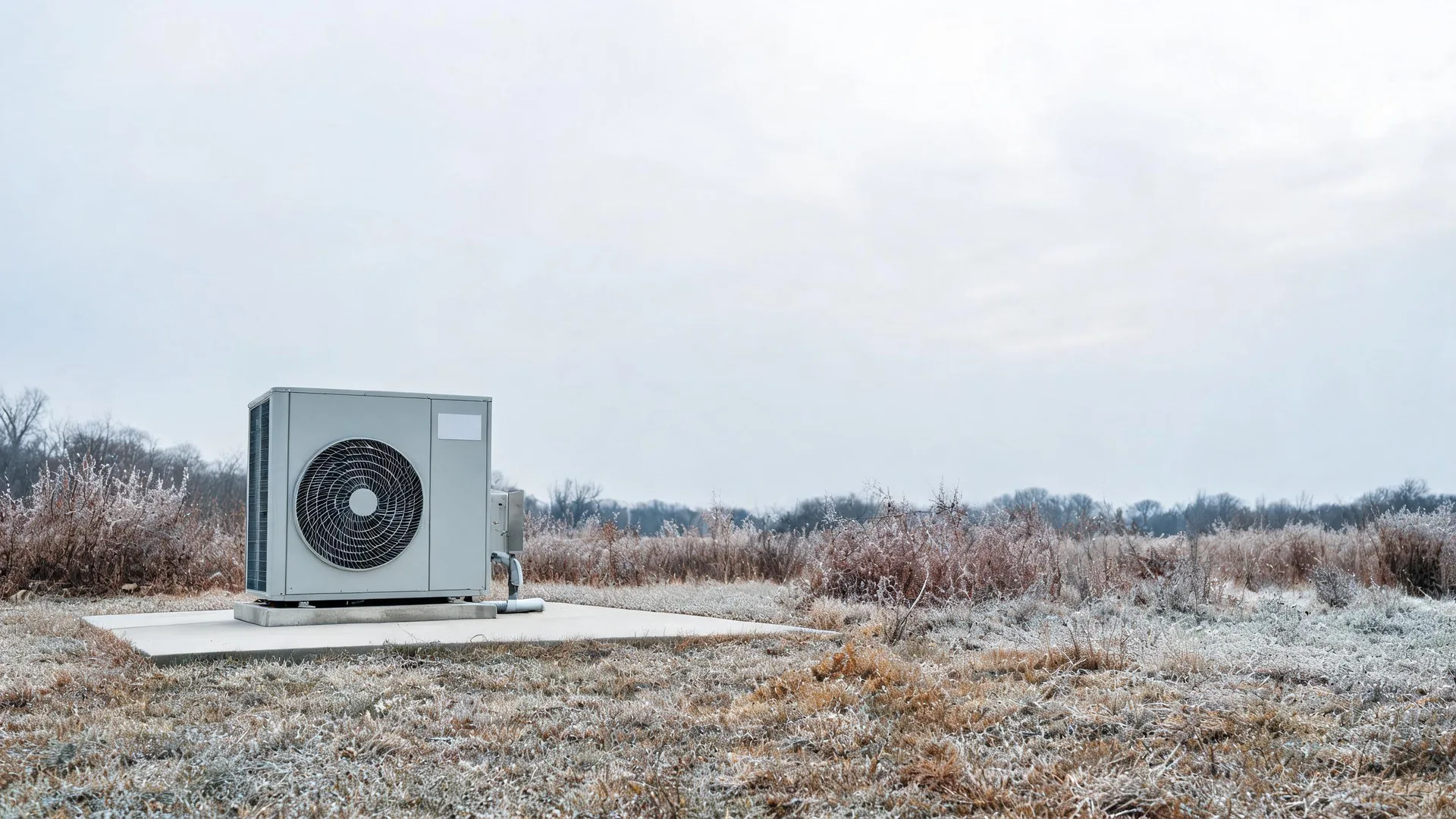
Electric heat is the norm here
Electricity heats 84.9% of homes in Harlan County. Gas furnaces are rare, at 3.4% utility gas and 5.1% propane. A heat pump or electric furnace paired with your new AC fits what's already running in most houses here.
Takes about a minute. No obligation.
Electricity heats 84.9% of homes in Harlan County. Gas furnaces are rare, at 3.4% utility gas and 5.1% propane. A heat pump or electric furnace paired with your new AC fits what's already running in most houses here.
If you already have central air, a straight swap of the outdoor unit and coil is usually the simplest job. If you're adding AC to an electric furnace setup, ask about a heat pump instead. It cools your house in summer and can take over some or all of the heating load too, so the two jobs end up sharing one outdoor unit instead of running as separate systems.

NOAA nClimDiv, 1991–2020 normals
Cooling runs June through August here.
Get the new system in during May, before the heat shows up and you're without air while it's installed.



Cooling only runs three months here, June through August, and the afternoon high averages 81 that whole stretch. That's not much strain on a system. A unit sized right for your house will cycle on, do its job, and shut back off, without the long stretches of hard running that homes further south put their equipment through. You don't need to pay for the top efficiency tier to get an AC that holds up under that kind of load. Put the money into a correct installation and a system that matches your house instead, since Harlan still asks real work of heating over the rest of the year.
Any AC installed here has to meet 14.3 SEER2, a step above the national minimum, so not every unit on the market can go in. That's a floor, not a reason to pay for more than your house needs. A federal tax credit is available for equipment that qualifies at a higher tier still, and it's worth checking against whatever your contractor proposes before you sign off.
Find a contractor
The old outdoor unit gets disconnected and hauled off, along with the old coil sitting on top of the furnace or air handler. If the system is old enough, that refrigerant is not something a contractor can just let out into the air. It has to be recovered and handled according to EPA rules before the lines get opened up. Whatever line set and pad can be reused usually are, but if the new unit uses a different refrigerant than the old one, the lines may need to be flushed out or replaced so nothing contaminates the new charge. None of that touches your ductwork. The supply and return runs stay as they are unless something else about the job calls for changing them.
A contractor should measure your house room by room and figure out how much cooling it actually needs, not just match the number stamped on the system you're replacing. The old unit may have been sized wrong from the start, or your windows and insulation may have changed since it went in. A unit that's too big cools the air fast but shuts off before it pulls the moisture out, so the house feels clammy even at the right temperature.
The new system only performs as well as the ducts feeding it. Ask whether anyone is checking the supply and return runs for leaks, crushed sections, or returns that are too small for the new equipment. A system sized perfectly on paper still runs long and uneven if the air can't get where it needs to go. This is a separate question from the equipment itself, and it's worth asking directly if nobody brings it up first.
Estimates for a typical Harlan County home, from EIA household energy data, Kentucky fuel prices and NOAA climate normals. Your home will differ.
Install day starts with the old equipment coming out before anything new goes in. The outdoor unit gets disconnected, the refrigerant lines get opened up, and the old coil comes off the furnace or air handler. Setting the new coil and running fresh refrigerant lines takes longer than most people expect, especially if the lines need flushing or replacing. Once the new outdoor unit is set and leveled, the lines get connected, the system gets evacuated to pull out any air and moisture, and then it gets charged with refrigerant to the exact amount the manufacturer specifies. After that, a contractor should run the system, check the airflow at the vents, and confirm the refrigerant charge is correct rather than just switching it on and leaving. A rushed charge or a skipped evacuation is the kind of thing that doesn't show up as a problem until months later.