Most homes here run on electric heat
Electricity heats 64.5% of occupied homes in Knox County. Utility gas covers 28.0%, and a small share run on bottled or LP gas.
Takes about a minute. No obligation.
Electricity heats 64.5% of occupied homes in Knox County. Utility gas covers 28.0%, and a small share run on bottled or LP gas.
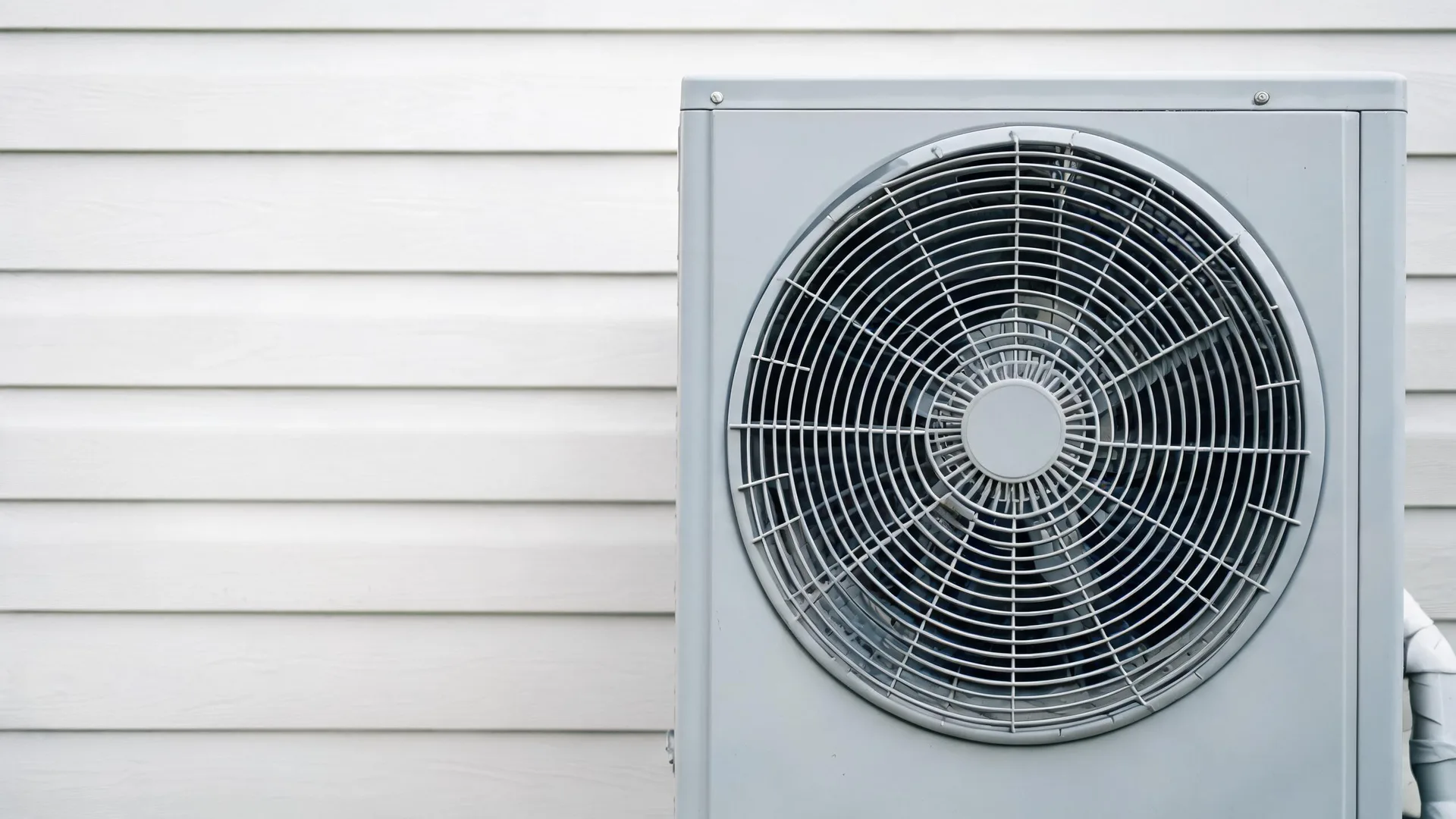
A home already wired for electric heat has what an electric system needs. If you're adding central air, a heat pump can cover both heating and cooling from one outdoor unit instead of running a separate furnace.

NOAA nClimDiv, 1991–2020 normals
Knox County has seen its share of damaging wind and winter storms over the past decade.
A standard, correctly sized AC unit holds up fine through that. There's no reason to pay for extra capacity or a specialty model here.




Knox County falls under zone 4A, which asks a new system to handle both a real winter and a real summer. Kentucky is also part of the federal Southeast region for air conditioner rules, and that region sets a higher bar than the rest of the country. A split system under 45,000 Btu/h installed here has to hit 14.3 SEER2, where the national minimum is 13.4. That's not a local preference, it's what the unit has to meet to be installed legally. On top of that, a federal tax credit is available for qualifying high-efficiency equipment, worth checking into before you settle on a model.
Half the homes in Knox County were built in 1985 or earlier, half in 1985 or later, and close to a third are mobile homes. None of that calls for anything special in a new system. A standard size and efficiency rating, installed correctly, will heat and cool the house either way. What matters is getting the size right for the house you have.
Find a contractorThat SEER2 number on the label is a ratio, cooling output against the power it takes to get there. A higher number means the compressor moves the same heat out of the house using less electricity to do it. It says nothing about how big a unit you need or how well it will cool your particular rooms. A high-efficiency unit sized wrong for the house still runs worse than a correctly sized standard one. The rating also assumes the system is installed and charged right. A unit with a low refrigerant charge or a bad duct run will never hit the number on its own label, no matter what it says.
If the ducts are the wrong size or leak at the joints, a new outdoor unit still won't cool the house right. Sealing or resizing duct runs adds to the job, but skipping that step means the new system fights the same problems the old one had.
Swapping in a new unit sometimes means running new refrigerant line if the old one doesn't match the new equipment, or upgrading the electrical disconnect and wiring to meet what the new system draws. A straightforward swap where the old lines and power already match costs less work than one that needs both replaced.
Estimates for a typical Knox County home, from EIA household energy data, Kentucky fuel prices and NOAA climate normals. Your home will differ.
Install day starts with taking the old equipment out, not putting the new in. The outdoor unit comes off its pad, the indoor coil comes out of the cabinet, and if the ductwork needs rework that gets opened up before anything new goes in. Once the new line set is run and connected, the system gets pulled down with a vacuum pump. That step removes air and moisture from the lines, because either one left behind ruins the refrigerant charge. The system then gets charged to the exact weight the manufacturer specs for that unit and that length of line, not just filled until the gauges look right. Last comes startup testing. The tech checks the temperature split between the air going in and the air coming out, checks amp draw on the compressor, and makes sure the thermostat is actually controlling the system the way it should. A unit that's wired up but never tested under real operation is still a guess, not a finished job.