Aerial view of a residential air conditioning condenser unit mounted on a concrete pad next to a house with vinyl siding and a sliding glass door.

AC Installation in Mount Sterling, KY

Tell us about the job

Takes about a minute. No obligation.

New system or replacementCentral ACMontgomery County, KY
Step 1 of 2

What ZIP code is the job in?

Wind and hail are the real risk to the unit

Montgomery County logged 91 damaging wind events and 3 hail events over the past decade. An outdoor AC unit sits outside and takes whatever comes through, so where it goes and what shields it matters at install time.


Power doesn't always come right back

Nearly a quarter of Kentucky households went at least 24 hours without power in 2024. If that happens during a heat wave, the new system won't run until the power does, so it's worth asking the installer about backup options before the job is done.

4 months
June through September, your air conditioner is on duty
85°F
the average summer afternoon it cools against
3 hail events
in ten years, and hail bends the fins on outdoor coils
13.4 SEER2
the federal minimum any new unit must meet
Isometric cutaway illustration of a single-story house showing interior rooms with ductwork and an air handler, connected by refrigerant lines to an outdoor condenser unit on the left.
Your air conditioner works hardest from June through August.

NOAA nClimDiv, 1991–2020 normals

A bigger number on the spec sheet doesn't mean a better fit for this house.

The right size comes from a load calculation, not the square footage of the home it's replacing.

Power here is cheap, so paying more for the highest-efficiency unit takes longer to earn back

Power costs 12.79 cents a kWh statewide
Cooling runs June through September
Summer afternoons average 85°F

Electricity heats 66.0% of homes in Montgomery County, more than any other fuel, and central air here almost always shares ductwork with that electric furnace or heat pump. That matters for an AC installation, because the condenser going in has to work with what is already moving air through the house. Utility gas heats 24.5% of homes, so a furnace plenum built for gas is the exception here, not the rule. If your current setup already runs on electric heat, matching the new AC to it is usually the straightforward path, without the added step of fitting new equipment to a different fuel line or venting.

Any unit installed here has to clear a higher bar than the national minimum

Any new system installed here has to meet at least 14.3 SEER2, the Southeast's minimum for units under 45,000 Btu/h, which is higher than what the rest of the country requires. That rules out the lower-efficiency units still sold elsewhere. A federal tax credit is available for qualifying equipment, so it's worth asking the installer which models meet both the regional minimum and the credit's requirements before you decide.

Find a contractor
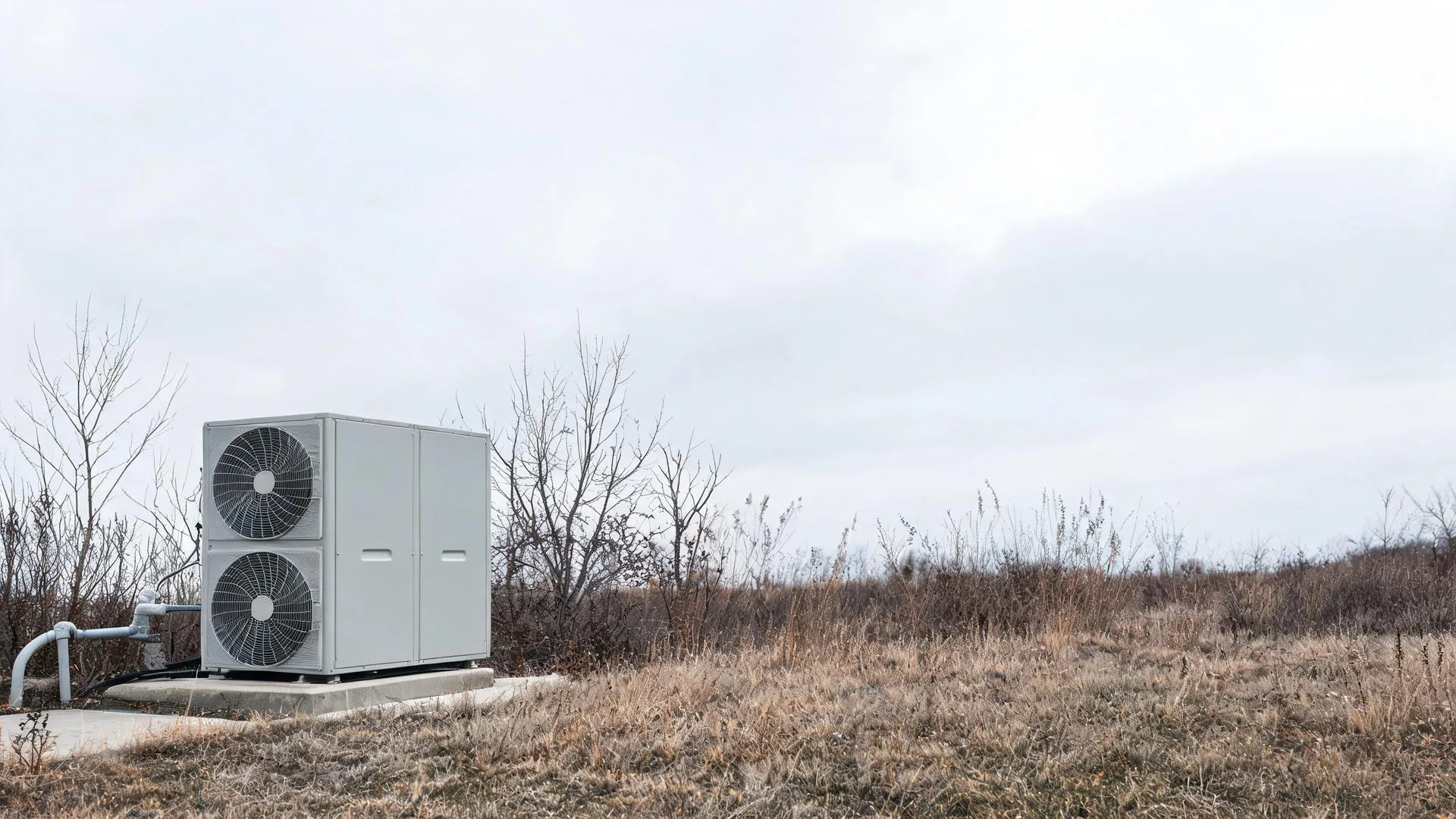
A gray metal air conditioning condenser unit mounted on a concrete pad in a flat grassy field under a partly cloudy sky.

Get it in before June, not during it

Cooling here runs June through September, about four months. Install before June and the unit is ready on day one of the season, with no pressure to rush the job or settle for whatever happens to be in stock. Wait until the first hot week and you're choosing from what's left, on whatever timeline the installer can fit you into. May is worth marking down as the month to get this done.

The calculation weighs more than floor space

A load calculation looks at the walls, the windows, the ceiling height, which way the house faces, and how much shade it gets. Homes the same size can need different tonnage because one holds heat differently than the other. Skip this step and the size is a guess dressed up as a number.

Both wrong sizes fail, just differently

A unit too big cools the air fast and shuts off before it pulls the moisture out, so the house feels cold and damp at once. A unit too small runs without stopping and still can't catch up on the hottest days. Either way the system wears faster than it should, just from being asked to do a job it was never sized for.

Overhead view of a gray outdoor AC condenser unit on a concrete pad beside a mulched garden bed and a house with vinyl siding.

Going above the federal minimum saves little here, about $20 a year.

  • A higher-efficiency unit$210 a year
  • A new unit at the federal minimum, 14.3 SEER2$230 a year

Estimates for a typical Montgomery County home, from EIA household energy data, Kentucky fuel prices and NOAA climate normals. Your home will differ.

Installation day starts with the old equipment coming out, not the new one going in. The line set gets disconnected, the refrigerant recovered, and the old condenser and coil removed before anything new is set in place. The indoor coil usually sits in the plenum above or beside the furnace, so that gets swapped even when the furnace itself stays put. Outside, the pad gets checked or replaced since a cracked or sunken pad will tilt the new condenser over time. Once the new coil and condenser are set, the installer brazes the line set, pulls a vacuum on the lines to clear out air and moisture, then weighs in the refrigerant charge to the amount the manufacturer specifies. The system gets tested under load before the crew leaves, checking the temperature drop across the coil and the pressures on both sides of the line. A job done right ends with the old equipment gone and the new system already running, not with a promise to come back and finish it.