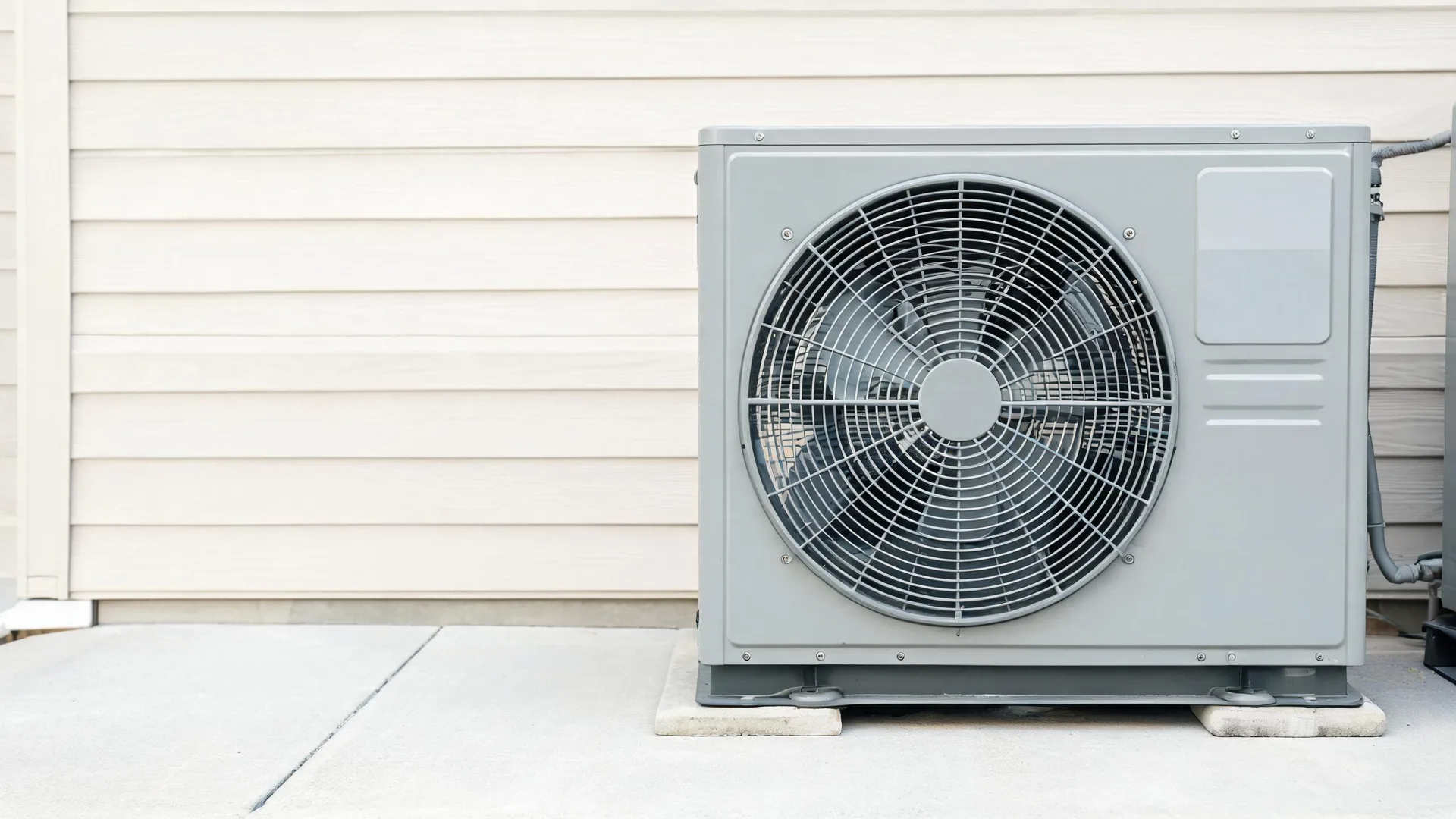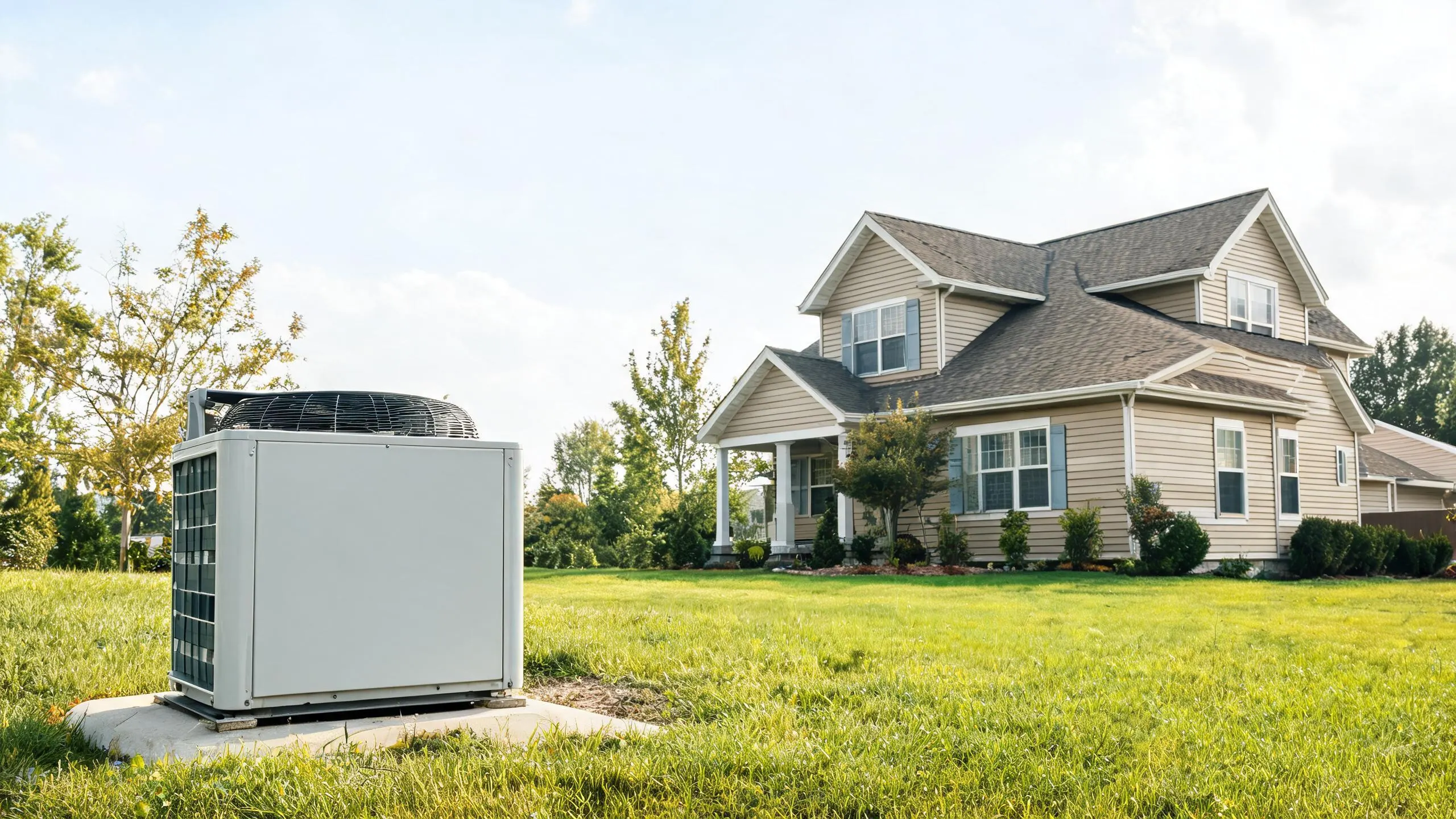
An outdoor HVAC condenser unit on a concrete pad in front of a two-story suburban house.

Heat Pump Repair in Pikeville, KY

Tell us about the job

Takes about a minute. No obligation.

RepairHeat PumpPike County, KY
Step 1 of 2

What ZIP code is the job in?

What the repair history tells you

A heat pump that's needed a few service calls for different problems, a failed capacitor one year, a bad contactor the next, is still a reasonable repair candidate. The trouble starts when the same part keeps failing or the compressor itself is in question. A compressor swap on an older unit often costs as much as starting fresh, and it doesn't reset the age of everything else in the system.


What replacement buys you back

A new heat pump runs quieter, holds its temperature better, and won't leave you guessing which part is next to go. If yours is struggling to keep up on the coldest or hottest days, or the refrigerant it uses is being phased out, repair only gets you back to where you started. Replacement is worth weighing when the fix in front of you is a sign of more to come.

7 months
October through April, your system heats
4 months
June through September, it cools
28°F
the average winter night it heats against
85°F
the average summer afternoon it cools against
Isometric line illustration of a cutaway single-story house showing interior rooms with beds and furniture, ceiling ductwork connected to an indoor air handler, and an outdoor condenser unit linked by refrigerant lines.
Your system heats October through April and cools June through September.

NOAA nClimDiv, 1991–2020 normals

Pikeville asks for real heat in winter and real cooling in summer, but never the extreme load of a true hot or cold climate.

A heat pump that hasn't been pushed to its limit for years is usually still worth fixing when something fails.

September turns the heat on, and the first cold snap finds whatever was already weak

Cooling runs June through September
Heat runs October through April
125 damaging wind events from 2015 to 2024
Pikeville heat pump repairHalf the homes in Pike County were built in 1985 or earlier, and a third of the housing here is mobile homes.

A heat pump that's icing up or short cycling will keep running after a fashion, and that's exactly why people put off calling. Ice on the outdoor coil blocks airflow. The system works harder to move the same heat and pulls more current doing it. Short cycling wears out the contactor and the compressor's start components faster than normal runtime ever would. The hard part of any cycle is the start, not the running. A refrigerant leak behaves the same way. The system keeps trying to hit the setpoint on less charge than it needs, and the compressor ends up working outside the conditions it was built for. None of this fails outright on day one. It just uses up more of the compressor's life every day it keeps running like that, and the compressor is the one part that can end the repair question for good.

A heat pump that's had an easier life is a heat pump worth fixing

The repair in front of you is likely worth doing. This machine isn't working against extreme heat or extreme cold year after year, so a failed capacitor or a bad contactor is usually just that, not a sign the compressor is on its way out. Get it looked at and fixed.

Find a contractor
A man in a cap, green shirt and tan work pants carries a worn canvas duffel bag as he climbs steps toward a dark green front door, with a potted shrub beside the porch.

What wears out on its own

A contactor pits from normal arcing every time it opens and closes. A capacitor loses its charge over years of heat cycling until it can't kick the compressor or fan motor into motion. A condenser fan motor bearing dries out and starts to groan before it seizes. These failures happen even to a heat pump that's never been pushed hard, because they come from age and duty cycles, not from strain.

What points to something bigger

A compressor that hums but won't start, or trips its overload repeatedly, is a different problem than a worn contactor. So is a reversing valve that won't shift between heating and cooling, leaving you stuck in one mode. These parts don't fail from simple age the way a capacitor does. When one of them is the cause, it's worth asking whether the unit as a whole is reaching the end of its service life.

Before anyone comes out, there are a few things worth checking yourself. Look at the thermostat first. Make sure it's set to heat, not cool, and that the setpoint is actually above room temperature. A dead thermostat battery or a tripped breaker can look exactly like a failed heat pump. Check the outdoor unit for ice or snow packed around the coil or blocking the fan, and check that nothing is stacked against it cutting off airflow. Inside, pull the air filter and hold it up to light. If you can't see through it, that's enough to choke the system on its own. None of this fixes a bad capacitor or a failing compressor, but it rules out the simple stuff before you pay someone to find it for you.

A diagnostic call starts outside at the unit itself, not with a tool. The tech checks the outdoor coil and fan first, because restricted airflow mimics other problems that have nothing to do with the coil. From there it's gauges on the refrigerant lines to see what the system is actually doing under pressure, and a meter on the electrical side to check the capacitor, the contactor and the compressor windings. Readings get compared against what that unit should show, not guessed at. Inside, the tech checks the thermostat's call against what the outdoor unit is actually doing. A miscommunication there can look like a dead system when nothing is broken. The visit ends with a straight answer about which part failed, why, and whether it's the kind of failure that stands alone or the kind that says more is coming.