

27°F average winter night
At that temperature a heat pump is pulling heat from cold air, so long run times alone don't mean something's wrong. A tech can tell you if yours is keeping up or straining.
Explain the job once and skip repeating it on every call.
Fill out one formA heat pump that never shuts off is usually trying to cover a gap it can't close on its own. Once outdoor temperatures drop into the 30s and below, which happens often through a Louisville winter, the unit loses heating capacity and has to run longer, sometimes constantly, just to hold the house near the thermostat setting. That can be normal on the coldest days. It stops being normal when the house still feels cool, when the outdoor unit is coated in ice, or when it was running nonstop before it ever got that cold outside. Those point to something off with the system itself: a refrigerant charge that's low, a defrost cycle not kicking in right, or a unit that was sized wrong for the house to begin with. A heat pump working against one of those problems will run harder than it should and still fall behind, which shows up on the power bill and in a house that never quite warms up.
Winter nights average 27°F
Winter nights here average 27°F, and that's cold enough that a heat pump loses capacity and has to keep running just to hold the house at temperature.
Heat runs October through April
Heat runs October through April here, so a unit that struggles in the cold has seven months a year to show you it can't keep up.
Cooling runs May through September
Cooling runs May through September here, which means the same heat pump works most of the year in both directions, with little rest between seasons.
NOAA nClimDiv 1991-2020
A heat pump that runs long stretches on a cold January day isn't necessarily broken. Below freezing, the system has less heat to pull from the outside air, so it runs longer to move the same amount of heat indoors. If your house holds a steady temperature and the air coming out of the vents feels warm, that long runtime is the unit doing its job in weather it wasn't built to make easy. It should still cycle off sometimes, even if only for short stretches overnight. Backup heat kicking in on the coldest mornings is also normal. That's a different thing from a system that runs nonstop for days without ever catching up.
A heat pump that runs constantly and still leaves the house cold, or one that runs nonstop even when it's 45 degrees out, is telling you something is off. So is warm air that isn't actually warm, ice building up on the outdoor unit with no defrost cycle kicking in, or a system that used to cycle normally and now doesn't. Those point to a refrigerant leak, a failing defrost control, or a unit that was undersized for the house when it went in. A contractor who works on heat pumps around Jefferson County every winter can tell the difference between a system straining against the cold and one that's actually failing, usually within one visit.




At that temperature a heat pump is pulling heat from cold air, so long run times alone don't mean something's wrong. A tech can tell you if yours is keeping up or straining.
Most systems here switch on electric resistance heat when the outdoor coil can't keep pace. If that's running constantly, a local tech can check what's triggering it.
Through December, January and February, the overnight low in Jefferson County averages 27°F. That's below where a heat pump works best. At that temperature the unit is pulling what little heat it can out of cold outdoor air, so it runs in long stretches instead of shutting off and kicking back on like it does in milder weather. You'll notice it running through the night and still going in the morning. That alone doesn't mean it's failing. But if it's running that long and the house still isn't warming up, or the outdoor unit is caked in frost, something's not keeping pace. Rather than guess which it is, a local contractor who works on these systems all winter can check it and tell you straight, instead of you calling around and explaining the problem more than once. Source: NOAA winter averages for Jefferson County, KY.
NOAA nClimDiv 1991-2020
A heat pump that won't stop running doesn't sort itself out by waiting. Either it's keeping up with a cold snap and costing you more on the power bill than it should, or it's lost capacity somewhere and running constantly without actually warming the house, and from inside the living room those look the same. Figuring out which one you've got means someone checking the refrigerant charge, the outdoor coil, the defrost cycle, things you can't see from the thermostat. A contractor who works on heat pumps around Jefferson County every winter has seen this before, in homes dealing with the same cold nights as yours, and knows what to check first. Instead of calling around to find someone, explaining the problem over and over, and weighing bids against each other, you hand it off once, to one local contractor, and get back to the rest of your evening while they sort out what your system needs.
A heat pump that runs nonstop through a cold week will show up on your power bill before it shows up anywhere else, since the cost of keeping that furnace or coil running falls on you every day it continues.
If it's running constantly but the house still isn't warm, you're paying for heat you're not getting, and that gap only gets found by someone checking the system, not by waiting another week.
At 12.34 cents per kilowatt-hour, a heat pump running around the clock still adds up slower here than it would somewhere with pricier power. That's some relief, but it doesn't erase the cost. A unit stuck running nonstop for days will still show up clearly on your bill, even at this rate.
EIA-861 2025
Check the air filter and swap it if it's gray or clogged. Walk outside and look at the outdoor unit. If ice has built up past what a normal defrost cycle clears, or if a bush or a snow drift is blocking airflow into it, clear the space around it. Check that nothing got bumped on the thermostat, like a schedule set wrong or a hold left on from a few days back. These take you a few minutes and they fix a real share of nonstop running on their own, no tools and no visit needed.
If the filter's clean, the outdoor unit's clear, and the thermostat looks right, but the system still won't cycle off, something inside it needs eyes on it. A low refrigerant charge, a failing defrost control, or a compressor losing capacity will all show up as a heat pump that runs and runs without catching up. A local contractor who works on these year-round in Jefferson County can get on the equipment, find which one it is, and tell you straight whether it's a repair or something bigger.


A heat pump doesn't make heat the way a furnace does. It moves heat from one place to another using refrigerant, and a reversing valve decides which direction that flow goes, heating mode or cooling mode. In winter it's pulling heat out of outdoor air that feels too cold to hold any, which it still does, just with more effort as the temperature drops. That's the compressor working longer, not failing.
Cold, humid air also builds frost on the outdoor coil. The system clears that with a defrost cycle, flipping the reversing valve briefly to send warm refrigerant outside and melt the ice. During that cycle the outdoor fan may stop and the indoor vents may blow air that feels cool. That's normal and it passes.
When the compressor can't keep the house at the set temperature on its own, backup heat takes over part of the load. Depending on the system, that's electric resistance coils or a gas furnace working alongside the heat pump. It's built to run that way during the coldest stretches.
Not every long run time comes from the weather. A dirty filter chokes off airflow and makes the system work harder to move the same amount of heat. A thermostat set with a wide gap between the current temperature and the target does the same thing. And there's a real difference between a system that won't stay on, which is short-cycling, and one that runs and runs without ever reaching the temperature it's set to hold.


Thermostat calls for heat and the reversing valve shifts the cycle.
The compressor starts pulling refrigerant through the outdoor coil.
The outdoor coil pulls what heat it can from the cold air.
Refrigerant carries that heat to the indoor coil.

Long run times by themselves aren't the problem. What matters is whether your house is actually holding its temperature or the unit is running constantly and still falling behind. A tech who works on these systems all winter can look at your outdoor coil, your charge, and your defrost cycle and tell you within a visit which one you've got.
Instead of calling around Louisville to find someone who knows heat pumps specifically, explaining the same run times and thermostat settings to each one, and weighing quotes that may not even be diagnosing the same problem, you'd be handed to one licensed local contractor who already knows what tends to go wrong in a Jefferson County winter. No repeat calls, no stack of quotes to sort through, just someone who shows up knowing what to check first.

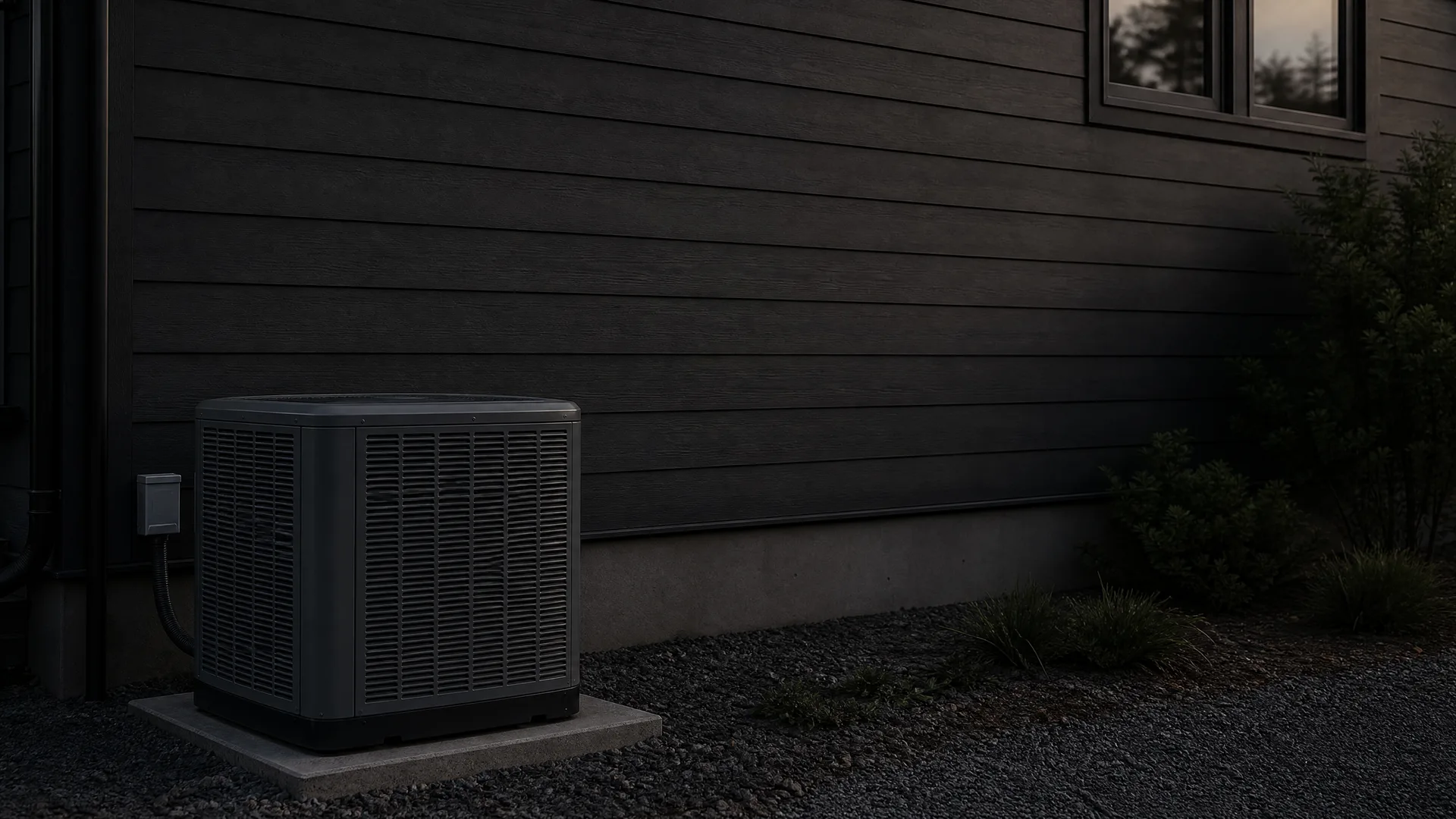
The pro who gets in touch is licensed in Kentucky and works in Jefferson County.