Running long, working fine
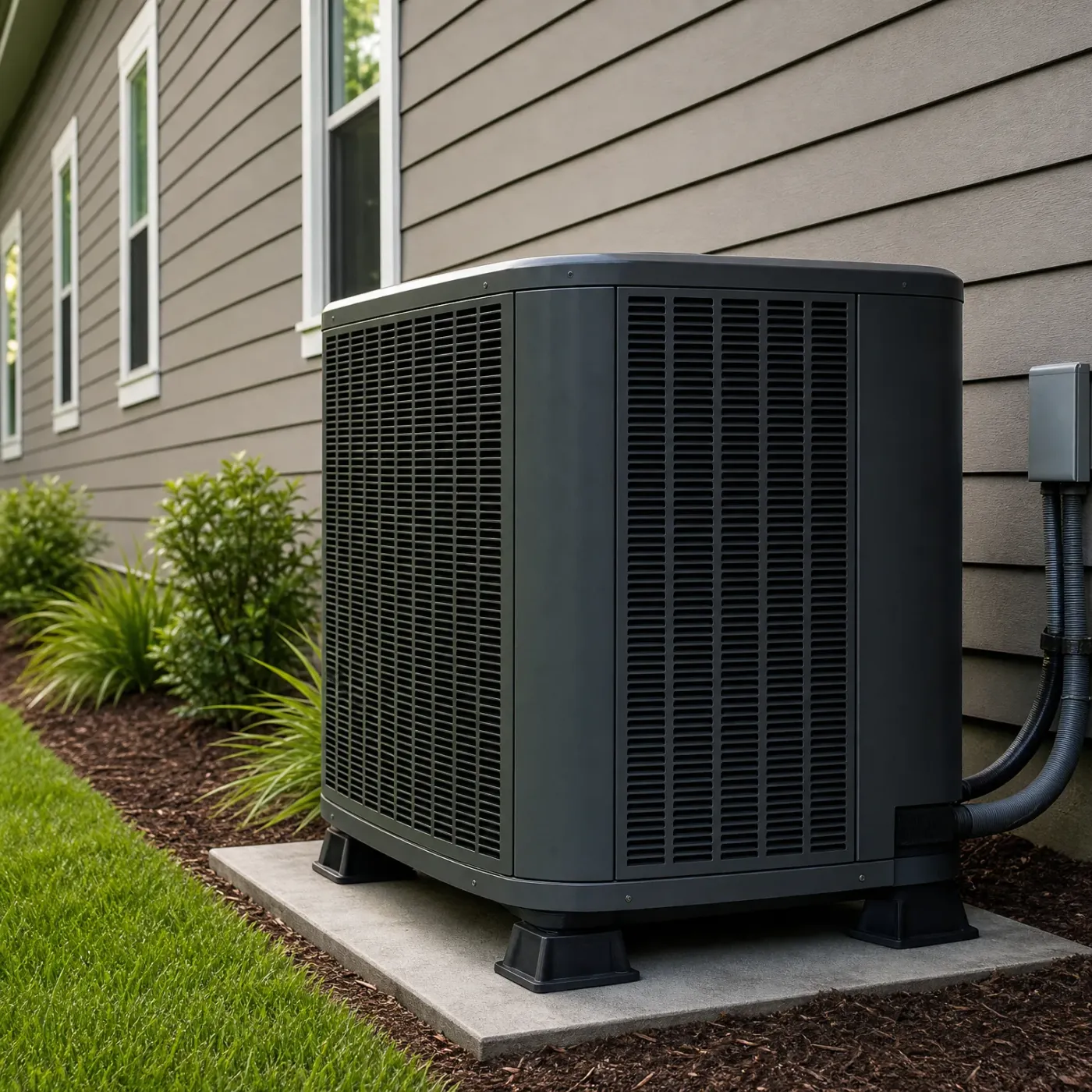
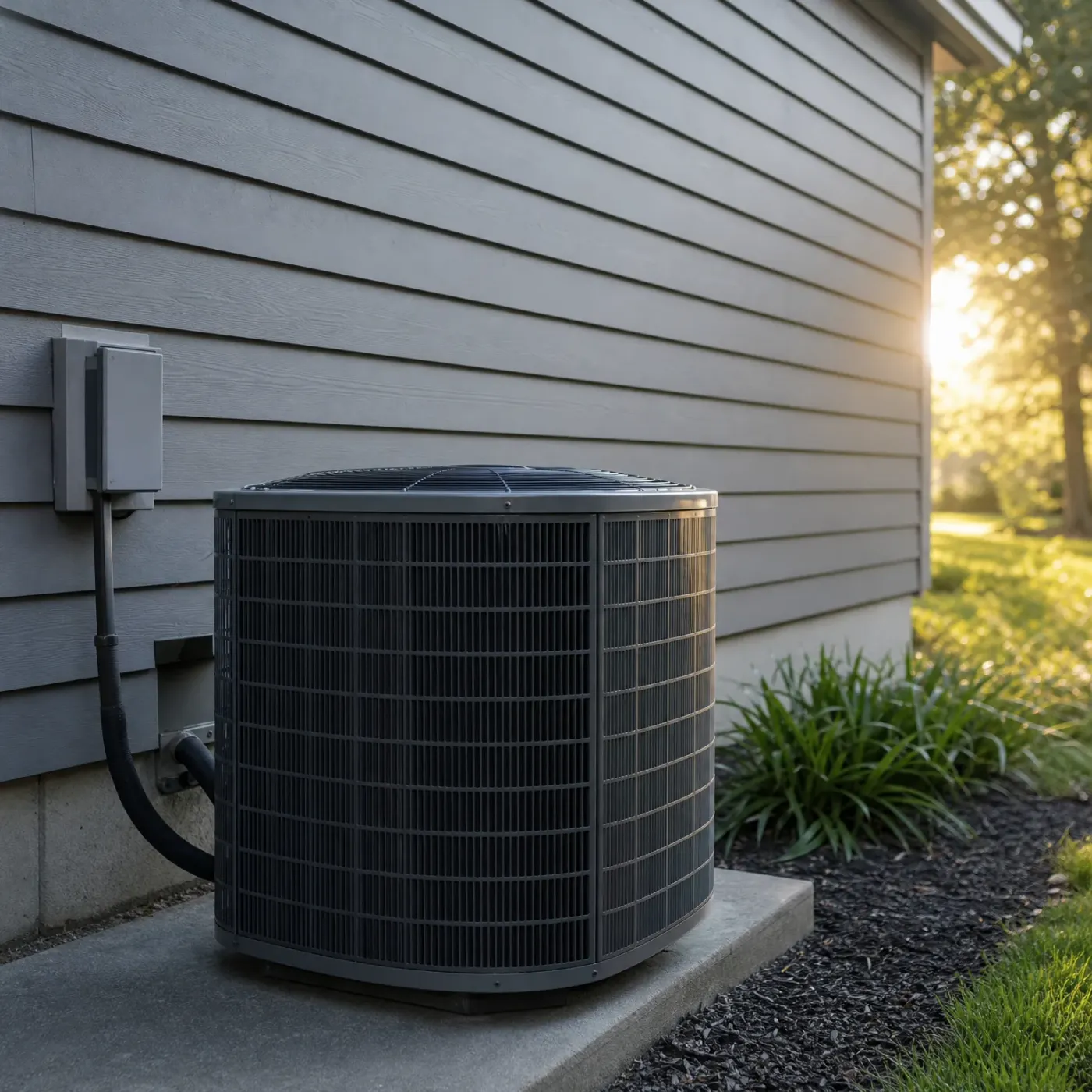
This is what a healthy unit looks like on a cold day. The pad is clear, the coil is clean, and the disconnect box is intact. Air moves through it freely, so it can run for hours and still heat the house without strain.
A heat pump should run for long stretches on a Kentucky winter day, sometimes most of the afternoon, and that is normal. It heats by moving warmth from the outside air, and once that air drops into the 30s and 20s, the system has to work longer and harder to pull out enough heat to keep your house at the temperature you set. On the coldest mornings you may hear it running almost nonstop, and the outdoor unit may be caked in frost before it clears itself. That is the machine doing its job, not failing at it. What should catch your attention is different: short cycling, where it kicks on and off every few minutes, or long runs that still leave the house cold. Either one usually points to a system that is low on refrigerant, undersized for the house, or struggling with a coil or sensor that needs a trained eye before the next cold snap.

A heat pump pulls heat out of outside air, and the colder that air gets, the less heat is in it to grab. Below freezing, the unit has to move more air across the coil to collect the same amount of warmth, so the compressor stays on longer to make up the difference. That's the system working as designed, not struggling. Short, frequent cycling instead of long steady runs is more often the sign something is wrong.

Below freezing, you'll see the outdoor unit build up frost, sometimes a solid white coat across the coil. It should clear that off on its own every so often by briefly switching into cooling mode and running the outdoor fan, which melts the frost in a few minutes. If frost keeps building without ever clearing, or ice forms thick and stays, the defrost control or a sensor may not be switching over, and the unit will run longer than it should trying to compensate.
You might notice the outdoor unit never seems to shut off on a cold afternoon, or the air coming from the vents feels cooler than you expect even though the house is holding its temperature. Both of those are normal for a heat pump in a Kentucky winter. What's not normal is the unit running constantly and the house still losing ground, rooms that won't hold their set temperature, ice building up on the outdoor coil beyond a thin frost, or a hissing or grinding sound that wasn't there before. Those point to something making the system work harder than it should, like a dirty coil or a refrigerant leak. Left alone, that usually shows up as a higher bill and, eventually, a system that can't keep up on the coldest days.

This is what a healthy unit looks like on a cold day. The pad is clear, the coil is clean, and the disconnect box is intact. Air moves through it freely, so it can run for hours and still heat the house without strain.

A unit this dirty has to run longer than it should just to pull the same heat out of the air. Buildup on the coil blocks airflow, and bare soil means dirt keeps finding its way back onto it after every cleaning.


Your request stays with one local pro.
A local pro who knows heat pumps gets your details and gets in touch.
It costs nothing to send, and you don't have to hire anyone.




A heat pump isn't just pushing heat out the whole time it runs. Every half hour or so in freezing weather, it switches into defrost for a few minutes. The outdoor fan stops, the system reverses itself, and hot gas moves through the outdoor coil to melt off the frost that's built up. You might see steam coming off the unit when that happens. If your system has a backup heat strip or a furnace, it can kick in right then, which is why the air from the vents sometimes feels warmer for a short stretch and then settles back down.
Below the 30s outside, the compressor has little reason to shut off for long. It takes a steady draw of heat to keep the house at temperature, so long runtimes are the system doing its job, not struggling. Leaving the thermostat at one setting rather than bumping it up and down overnight helps it run at that steady pace instead of catching up.
What's not normal is the outdoor unit starting and stopping every few minutes. That short cycling usually means something's wrong with airflow, refrigerant charge, or the control board.


Indoor thermostat calls for heat when room temperature drops.
Reversing valve directs refrigerant to pull heat from outside air.
Outdoor coil absorbs warmth even when the air is near freezing.
Compressor runs continuously to keep moving heat into the house.


At that rate, a heat pump running long hours on a cold afternoon isn't the expensive part people assume. Electric heat is the norm here, and the per-hour cost of keeping it running stays modest even on the coldest days. What drives your bill up is a unit that has to strain, not one that simply runs long.
EIA-861 2025 statewide residential average
A heat pump running most of a cold Kentucky afternoon is doing exactly what it was built to do. It is pulling heat out of air that doesn't have much to give, so it has to move more of it, longer, to keep your house where you set it. Defrost cycling on and off every half hour, vents that feel cool to the hand while the thermostat holds steady, the outdoor unit never quite shutting off on a January day, none of that means trouble. It means the system is working the way a heat pump works in weather like this.
What does mean trouble is different and usually easy to notice once you know to look. Ice building up on the outdoor coil and staying there. The unit short-cycling, kicking on and off every few minutes instead of settling into a long run. The house slowly losing ground against the thermostat no matter how long the unit runs. Those are signs worth a technician's attention, not winter doing what winter does.
A clear pad under the unit and a clean coil go a long way toward keeping it on the right side of that line. So does having someone local look at it before the cold sets in, someone who works on this equipment all winter and knows which of these signs are routine here and which ones mean a part is failing. Get matched with that one contractor, and it's their call that comes, not five.
A licensed local pro takes the request for your heat pump tune-up.
No charge to send it. You decide if you hire them.