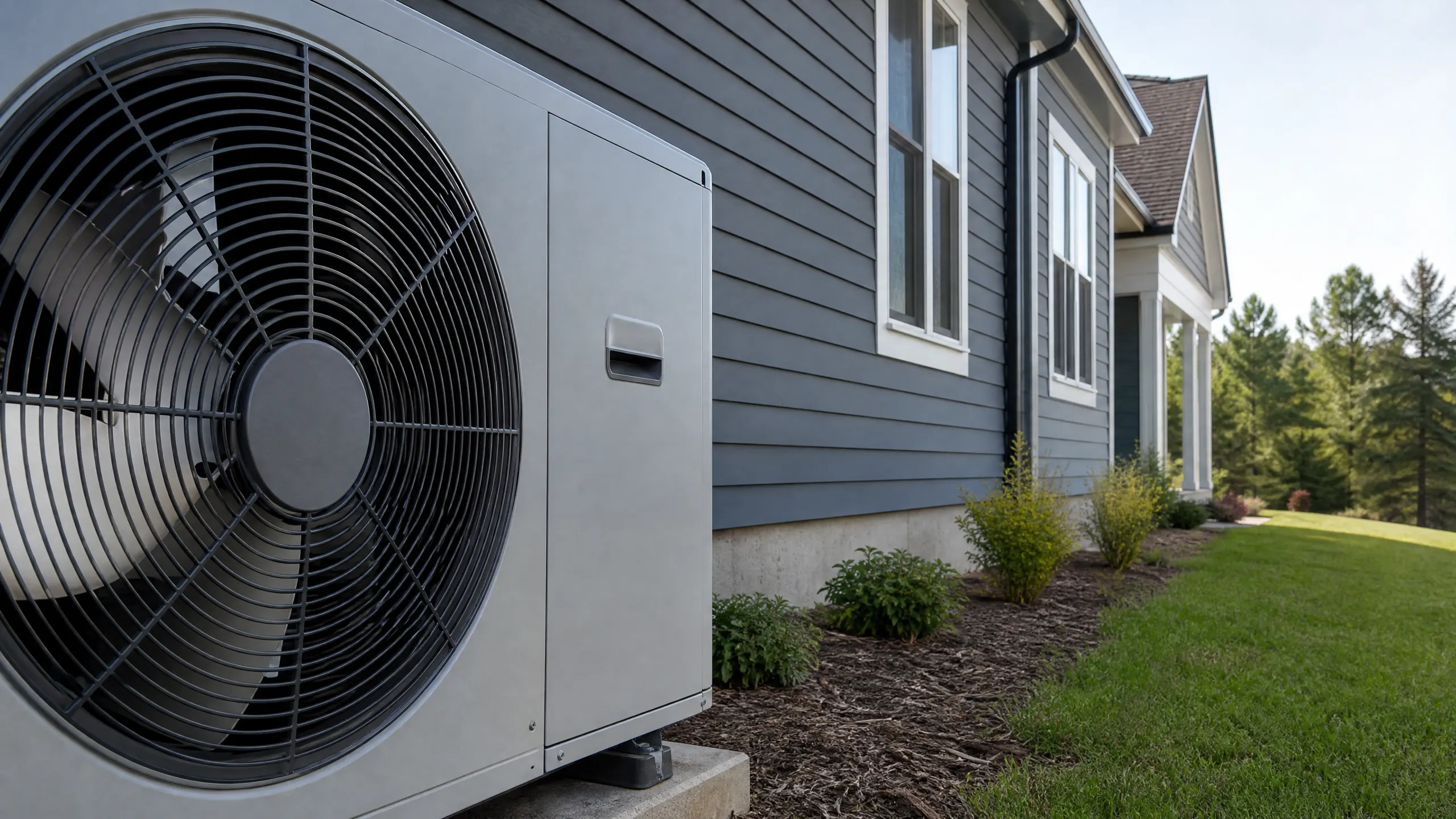






A heat pump outdoor unit mounted on a concrete pad next to the gray-sided exterior wall of a residential house.

Heat Pump Repair in Versailles, KY

Tell us about the job

Takes about a minute. No obligation.

RepairHeat PumpWoodford County, KY
Step 1 of 2

What ZIP code is the job in?

Half the homes in Woodford County were built in 1984 or later. If yours is one of them, your heat pump is probably well inside its working life, not at the end of it. A newer house also means the ductwork and electrical behind the walls were put in to code at the time, so a repair isn't fighting against something older. That's worth knowing before you decide whether a repair is worth doing.

7 months
October through April, your system heats
5 months
May through September, it cools
27°F
the average winter night it heats against
85°F
the average summer afternoon it cools against
Isometric illustration of a cutaway single-story house showing interior ductwork, an indoor air handler and simple furniture, connected by lines to an outdoor condenser unit beside the building.
Your system heats October through April and cools May through September.

NOAA nClimDiv, 1991–2020 normals

Winters here average 27°F overnight, not well below zero.

Your heat pump isn't fighting the kind of cold that wears a system out fast.

Weather here runs about average, so a heat pump problem is usually just a problem

72 severe weather events from 2015 to 2024
24% of homes statewide lost power a day or more in 2024
58 damaging wind events from 2015 to 2024
Versailles runs its heat pump seven months a yearOctober through April, with September the month to catch trouble early.

A repair tech can tell you fast whether a part is worth replacing or whether the unit itself is on its way out. Age is the first thing they check. If your house was built in the last few decades, that conversation usually ends the same way. Fix the part and keep the system running. Ask whoever comes out what year your equipment was installed, not just the house. The outdoor unit has a label inside the panel with a manufacture date, and that number matters more than the year on the deed.

A heat pump problem here is usually worth fixing, not replacing

A heat pump that isn't fighting deep cold has less reason to fail outright. When one acts up here, the problem is usually a single worn part, not a system breaking down from strain. That makes it worth having someone look at before you decide to replace anything.

Find a contractor
A white mini-split heat pump outdoor unit mounted on a concrete pad beside a gray-sided house, surrounded by gravel and green shrubs.

What to check before the call

Before anyone comes out, check the thermostat. Make sure it's set to heat and not fan only, and that the batteries aren't dead. Walk outside and look at the unit. A light frost is normal in cold weather, but if ice is covering the coil, that's worth telling the tech, don't try to chip it off yourself. Clear away anything piled against the unit, leaves, mulch, snow, so it has room to pull in air. Go inside and pull the air filter. If it's gray and matted with dust, that alone can choke the system and make it struggle to heat the house. Check the breaker panel too. A heat pump runs on a circuit for the outdoor unit and a separate one for the air handler, and either can trip without the other going with it. If the air coming out feels cool instead of warm, that can just mean the system is in a defrost cycle, but if it stays that way, something's wrong. If the unit is making a sound it doesn't usually make, note when it happens and what it sounds like. That detail helps a tech figure out what's going on before they even get there.

The signs usually show up before the system quits

A heat pump in trouble rarely just stops. It blows air that's lukewarm instead of warm, it runs long stretches without the house catching up to the thermostat, or it starts cycling between heating and cooling on its own. The outdoor fan might sound different, slower or louder than usual. Any of these is the system telling you something's wearing out before it fails outright.
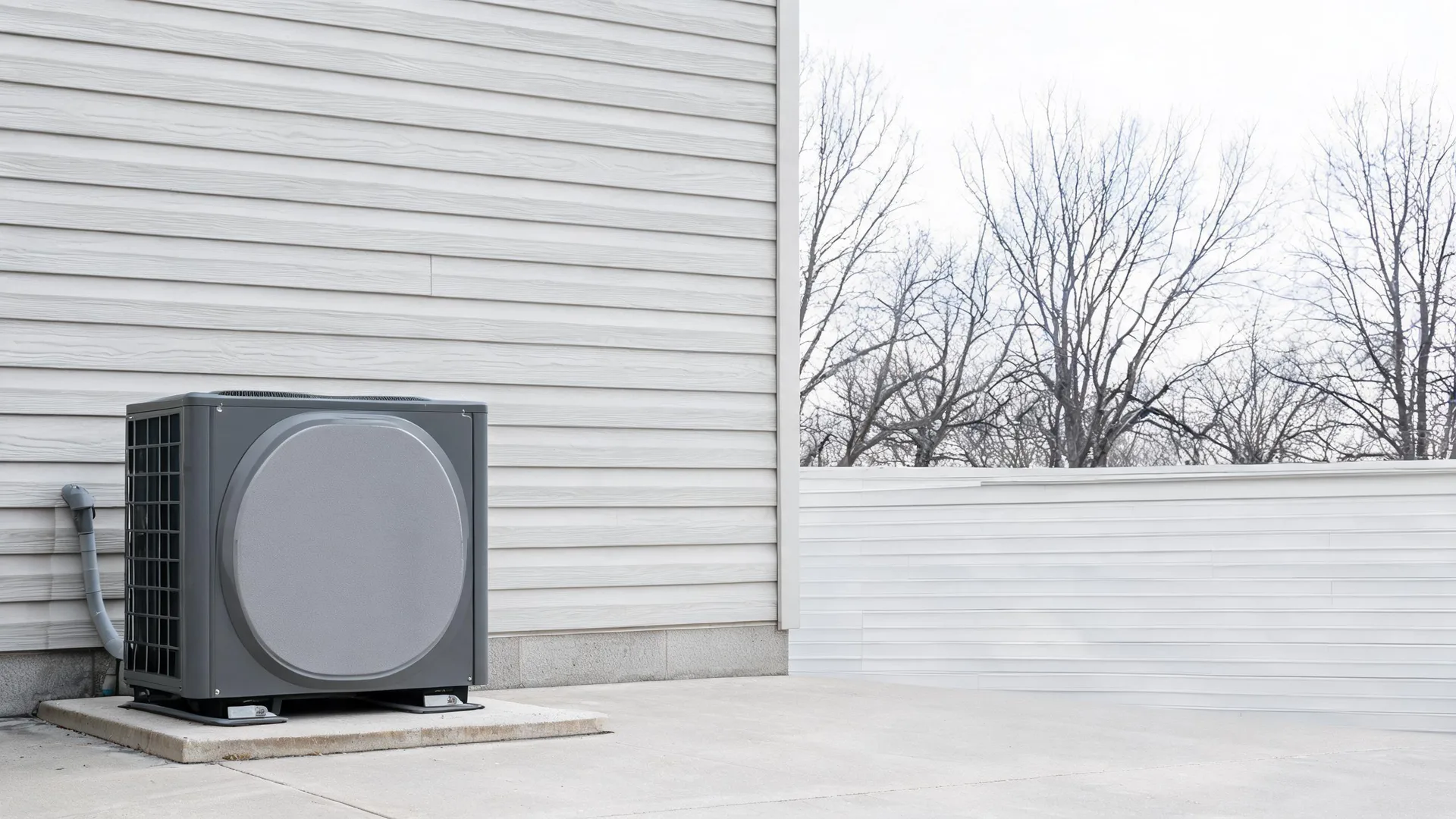
Catching it early changes what gets fixed

A heat pump that's noticed acting up early usually means a tech is replacing one part. A heat pump left to keep struggling usually means the compressor is what's on the table next. The signs are worth paying attention to for that reason. Noticing the system blowing cool air or icing up and calling before it gets worse is what keeps the repair small.

A heat pump that's struggling doesn't fix itself by staying on. If the coil is icing up, running longer just builds more ice, because the system can't get into a proper defrost cycle while it's fighting to keep up with the thermostat. A failing capacitor makes the compressor draw harder to start each time it cycles, and that extra strain is what burns a compressor out early. Low refrigerant works the same way. The compressor keeps running trying to satisfy the thermostat, but it's pulling vapor instead of liquid, and that wears it down fast. None of this is instant. It's the difference between a tech replacing one part this week and replacing the compressor or the whole outdoor unit a few weeks from now. If something seems off, the safer move is to shut the system off and let the house ride on backup heat, if you have it, until someone can look at it.

A diagnostic visit starts outside at the unit, not inside at the thermostat. The tech checks the reversing valve first, since that fails more than almost anything else in a heat pump. Then comes the capacitor and contactor, to see if the compressor and fan are starting the way they should. Gauges go on next to check refrigerant charge. A system can run low on charge for a while before it turns into a real problem, so a tech wants to catch that early. All of this gets weighed against the compressor itself. The whole point of the visit is figuring out whether one part is at fault or the compressor is wearing out.