A row of dark-painted single-story cottages with gabled shingle roofs behind a mowed lawn, a trimmed hedge in the left foreground and large leafy trees overhead under an overcast sky.

Heat Pump Repair in Georgetown, KY

Tell us about the job

Takes about a minute. No obligation.

RepairHeat PumpScott County, KY
Step 1 of 2

What ZIP code is the job in?

A mixed climate, not a brutal one

Scott County sits in zone 4A, which asks real work of a heat pump in both directions, summer and winter. Winters are not severe here. The overnight low across December, January and February averages 26°F, well short of the extreme cold that pushes a heat pump into constant backup heat and hard wear.


What that means for a repair call

A heat pump that hasn't been run into the ground by brutal cold is more often a good candidate for a fix. If yours is acting up, the cause is more likely a worn part or a skipped service than a system worked past what it can handle.

7 months
October through April, your system heats
4 months
June through September, it cools
26°F
the average winter night it heats against
85°F
the average summer afternoon it cools against
Isometric cutaway illustration of a house showing attic ductwork, an indoor air handler, furnished rooms, and an outdoor condenser unit connected by lines along the exterior wall.
Your system heats October through April and cools June through September.

NOAA nClimDiv, 1991–2020 normals

Half the homes in Scott County were built in 2000 or later.

A heat pump that came with a newer house has likely had an easier run, and that makes a repair worth doing.

Weather here is ordinary, and so is most heat pump trouble

84 severe weather events from 2015 to 2024
24% of homes statewide lost power a day or more in 2024
65 damaging wind events from 2015 to 2024

September is the month to get a heat pump looked at here. Homes switch over to heat in October, and whatever was already wearing thin tends to show itself in that first cold stretch. A worn contactor or a low charge can limp through a mild September and then fail the first night it has to run heat for hours straight. Catching it before that switchover means a scheduled repair instead of a cold morning and an emergency call.

A newer system is usually worth repairing

If your heat pump came with a newer house, it hasn't had to work as hard as an older one might have. That's a reason to get it looked at rather than replaced. Most repairs on a system like that are worth doing.

Find a contractor
A residential heat pump outdoor unit mounted on a concrete pad next to a house with gray vinyl siding.

Hours add up, but the strain doesn't

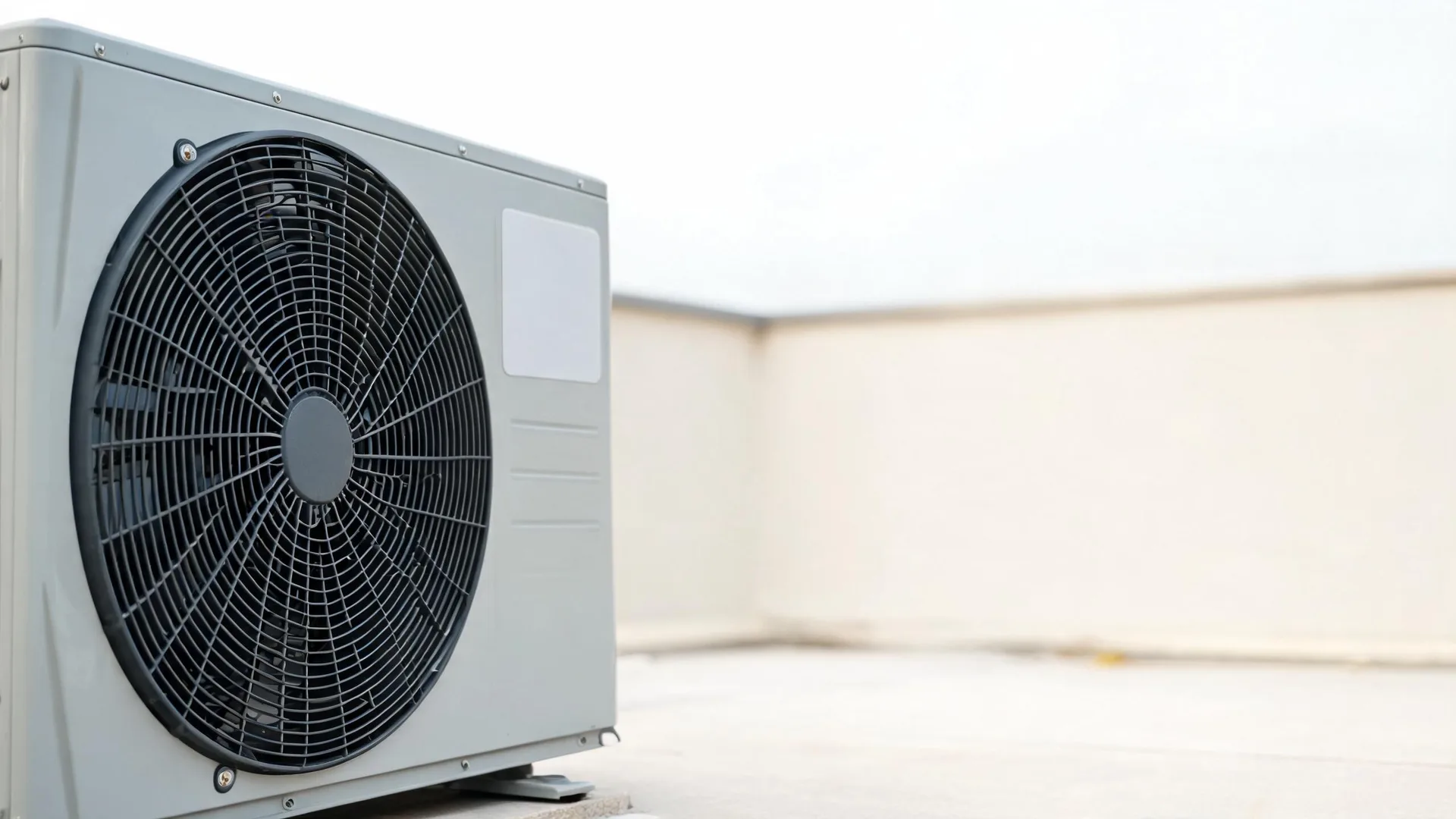
Your heat pump has logged a lot of hours running from this afternoon into tonight, but the load behind those hours has been moderate. That matters for a repair call. A part worn out by a mixed climate is a part that failed on its own schedule, not one burned out early by extreme heat or cold. Age and runtime tell you more here than the weather does, so a technician can usually point to what gave out rather than guessing at hidden stress from a brutal season that never happened.

What you'll actually notice first

One room runs warmer or colder than the rest of the house. The air coming out of the vents feels lukewarm instead of hot or cold. The outdoor unit ices over and stays that way, or it runs and runs without the house catching up. The system switches between heating and cooling on its own, or short cycles, kicking on and off every few minutes instead of running a full cycle.

What those signs are worth paying attention to

None of this fixes itself, and most of it gets worse the longer it runs that way. A unit that ices over and keeps running is pushing the compressor to work against ice instead of air. Short cycling wears the parts that start the system every time it kicks on. The sooner a technician sees it, the more likely the fix is a single part instead of a system worked past saving.

A heat pump that's short cycling or icing over still runs, so it's tempting to wait. But the compressor doesn't care why it's working harder, only that it is. Ice on the outdoor unit blocks airflow. The system pulls in less heat each cycle and runs longer to make up for it, which packs on more ice. Short cycling wears the start components the same way. Every extra start-stop is wear that a full, normal cycle wouldn't put on them. A refrigerant leak behaves the same way. Low charge makes the compressor work to move heat it doesn't have enough refrigerant to carry. Running it low for weeks does damage that a full charge never would have asked of it. None of these fail the system outright on day one. They just make sure the part that finally gives out took more punishment getting there.

A diagnostic call starts outside, not at the thermostat. A technician checks the outdoor unit first. They look at the coil, the fan, and whether refrigerant pressure matches what the system is supposed to run. From there it's gauges and a multimeter more than guesswork. Refrigerant pressure shows whether the charge is right. Amp draw on the compressor and fan motor shows whether they're pulling harder than they should. The reversing valve gets tested on its own, since that's the part that decides whether you get heat or cooling. A stuck valve explains a system doing one when you asked for the other. Only after that does the indoor side get the same treatment. A technician checks airflow across the coil, the condensate drain, and the blower motor. Most calls end with the cause narrowed to one part, not a list of maybes.