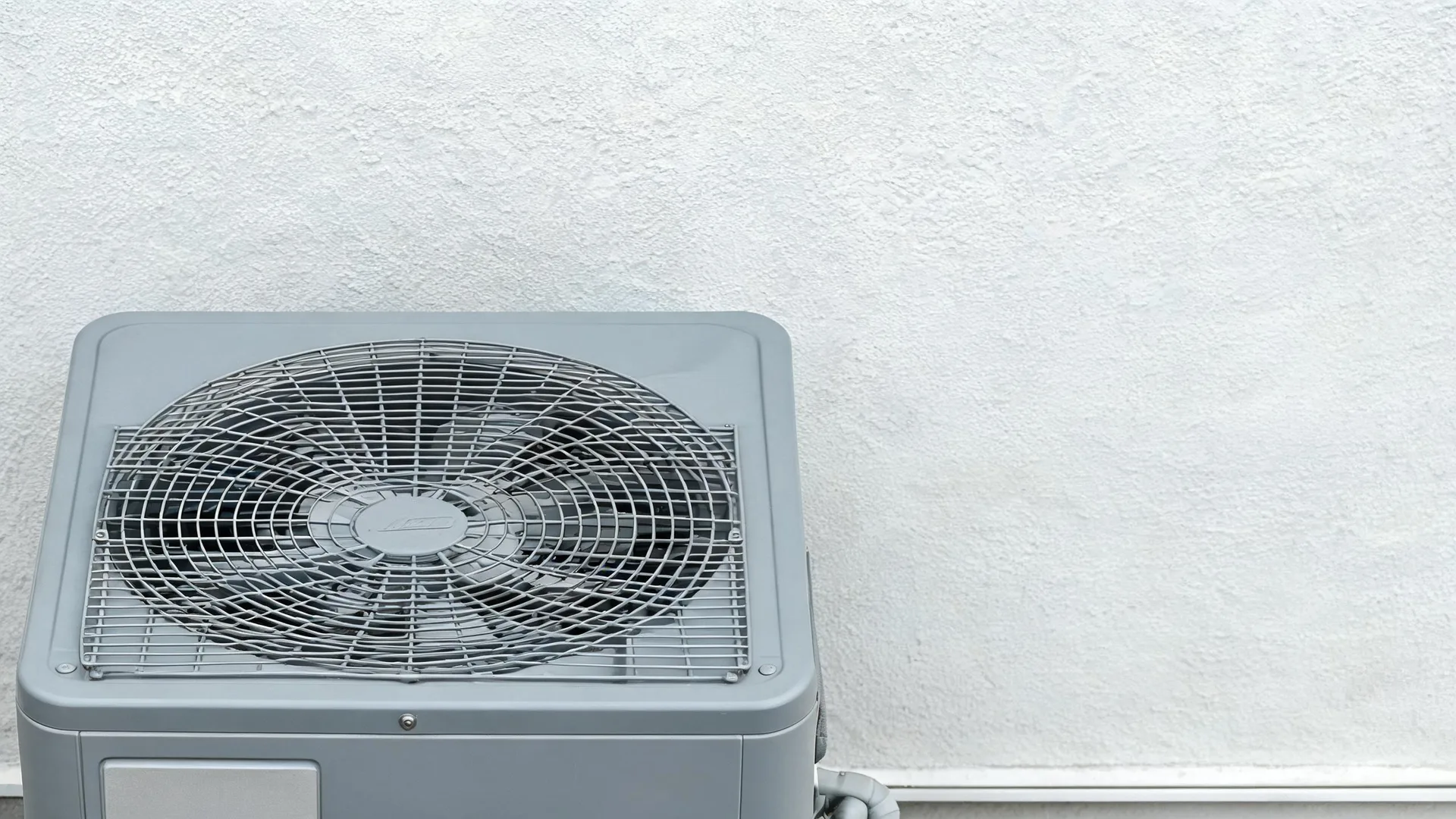
Calloway County gets hit often
160 severe weather events struck Calloway County between 2015 and 2024, including damaging wind, hail and tornadoes. A heat pump's outdoor unit sits outside through all of it.
Takes about a minute. No obligation.
160 severe weather events struck Calloway County between 2015 and 2024, including damaging wind, hail and tornadoes. A heat pump's outdoor unit sits outside through all of it.
Nearly a quarter of Kentucky households went at least 24 hours without power in 2024. A heat pump needs electricity to run, so an outage that long means no heat or cooling until it's restored.

NOAA nClimDiv, 1991–2020 normals
Half the homes in Calloway County were built in 1983 or later.
A heat pump in a house that age is usually still within its working life, and worth repairing.




If your outdoor unit sat through a hailstorm or a run of high wind this year, don't wait for it to act up before someone looks at it. Calloway County saw 31 hail events between 2015 and 2024, and the outdoor unit takes that weather directly since it sits outside year round. Hail dents the fins on the coil, and wind-blown branches or grit can do the same without leaving a mark you'd notice from the ground. A heat pump can keep running for a while with a bent coil or a damaged fan blade before it loses capacity or trips out. Worth a check after any storm that dropped hail or snapped limbs nearby, even if the system still turns on.
If your heat pump came with the house, there's a good chance it still has working life in it. Get a repair quote before you start pricing a new system.
Find a contractorA heat pump doesn't fail all at once. It starts small, a refrigerant leak, a weak run capacitor, ice building up on the outdoor coil, and the system keeps working through it because the compressor is built to push past strain rather than stop. Low refrigerant forces the compressor to run longer to move the same amount of heat, and that extra strain is what burns it out. Ice on the coil blocks airflow, so the unit pulls in less heat than it needs and runs even longer trying to catch up. A failing capacitor makes the compressor or fan motor draw more current every time it starts, which wears the windings down a little more each cycle. None of this shows up as a sudden no-heat call. It shows up as a system that runs longer than it used to, right up until the compressor seizes instead of one that could have been saved.
A heat pump that runs constantly without hitting the thermostat setting, or blows air that doesn't feel hot enough in winter or cold enough in summer, usually has a refrigerant or airflow problem. The fix gets more involved the longer it runs that way.
Clicking at startup, a hum without the fan turning, or a grinding or screeching from the outdoor unit each point to something specific wearing out. A compressor or fan motor can still run while it fails. The sound usually shows up before the system stops working.
A few things are worth checking before you pick up the phone. Look at the outdoor unit and clear away leaves, grass clippings or anything blocking the fins, since restricted airflow alone can make a heat pump struggle. Check the air filter inside and swap it if it's dirty, because a clogged filter starves the system the same way a blocked outdoor coil does. Look at the thermostat and make sure it's set to the right mode and a temperature that should actually call for heat or cooling. Check your breaker panel for a tripped breaker, since a heat pump that won't start at all sometimes just lost power. If the outdoor unit is caked in ice, that's not something to chip off yourself. It usually means the defrost cycle isn't working, and that's a job for someone who can test it.
A diagnostic visit starts at the outdoor unit, not with a guess from the thermostat. A tech checks refrigerant pressure with gauges, since that reading shows right away whether the charge is low and where the problem likely sits. The run capacitor and contactor get checked next, because those parts tend to weaken and cause trouble long before they fail outright. Airflow gets checked across both coils, indoor and outdoor, since a restriction on either side can look the same from inside the house. If the reversing valve is suspect, the tech runs the system in heating and in cooling to see whether it actually switches over. Most of this gets answered before anything is taken apart for repair.