



A nighttime street view of several illuminated two-story red brick homes with front porches, flanked by a large tree.

Heat Pump Repair in London, KY

Tell us about the job

Takes about a minute. No obligation.

RepairHeat PumpLaurel County, KY
Step 1 of 2

What ZIP code is the job in?

The age of the unit matters less than what's actually failing. A heat pump that won't hold its charge, or one where the compressor is struggling, is a different conversation than a bad capacitor or a stuck reversing valve. Those smaller parts are worth replacing almost every time. The compressor is the expensive part, and it's also the heart of the system. If that's what's going and the unit has been through a lot of winters already, a tech will likely walk you through whether to sink more money into it or put that money toward a new system instead. Ask what's actually failing before you decide anything.

7 months
October through April, your system heats
4 months
June through September, it cools
28°F
the average winter night it heats against
84°F
the average summer afternoon it cools against
Isometric line illustration of a cutaway house showing interior rooms with furniture, ceiling ductwork under a dark shingled roof, and an outdoor condenser unit connected by lines on the right.
Your system heats October through April and cools June through September.

NOAA nClimDiv, 1991–2020 normals

Winter here only averages 28°F overnight, not the deep cold some places see.

A heat pump in Laurel County isn't fighting extreme temperatures all winter, so most failures trace back to a part wearing out, not the system being overworked.

Heat pumps here run heat from October through April, about seven months straight, then switch over for cooling in June through September. September is when the switch to heat happens, and that first cold snap is when a weak part finally gives out. The reversing valve hasn't moved in months and the defrost board hasn't had to do its job since last winter. If a heat pump struggles to keep up or blows cold air when it kicks on in early fall, that's often a part that sat unused all summer, not a sign the system is failing outright. Getting it looked at before October, while it's still mild, means a stuck valve or a bad sensor gets caught before you're relying on the system every day.

It's usually worth repairing

It has an easier job here than in most places, so your heat pump is often in decent shape. Repair is usually worth it.

Find a contractor
A man seen from behind in a dark work shirt and tan pants carries a worn canvas tool bag up concrete steps toward a dark green paneled front door, with a potted shrub at left.
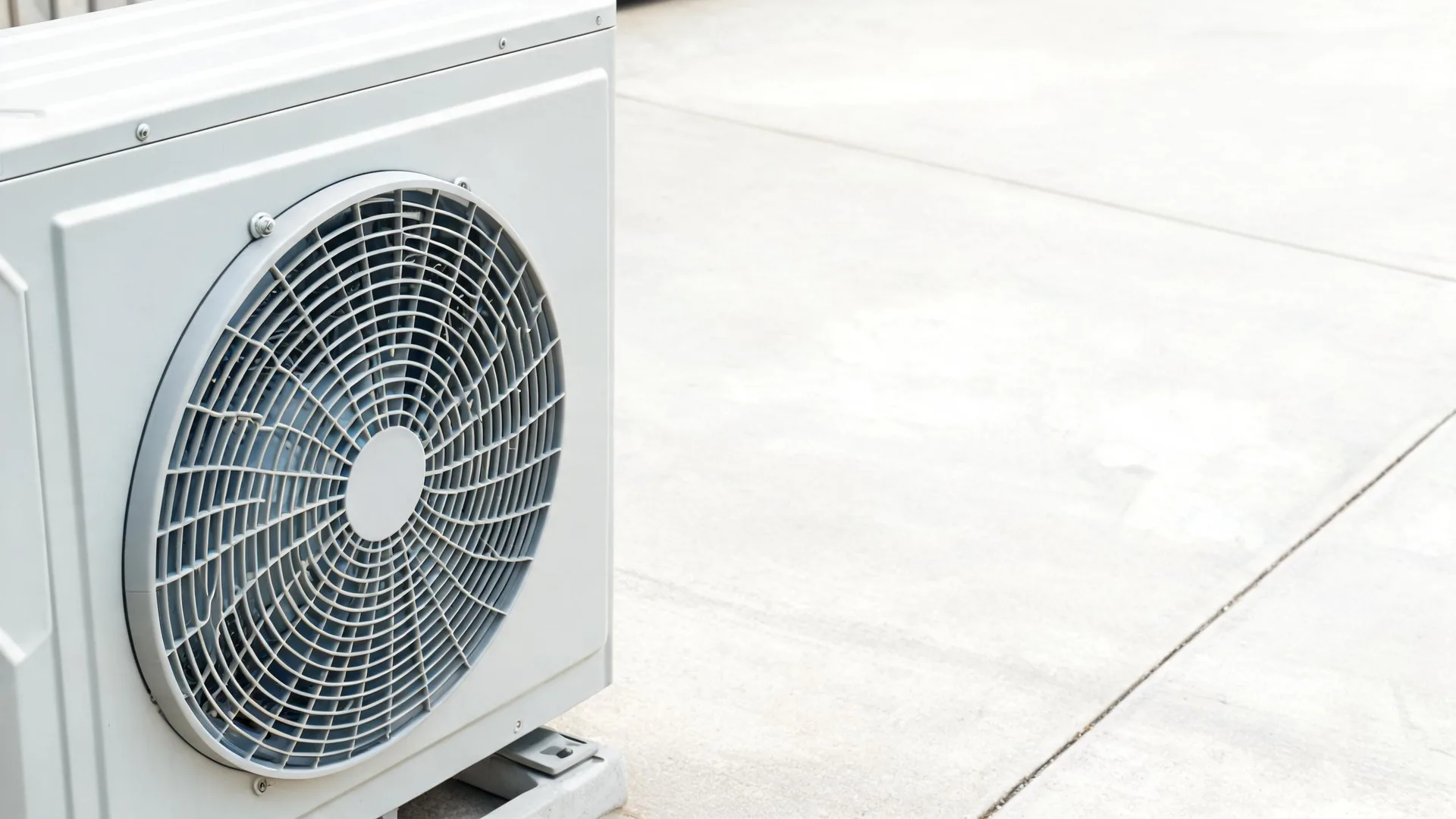
A dark gray heat pump unit mounted on a concrete pad next to a house with gray siding and a stone veneer wall.

Mild winters mean less wear on the compressor

A part that wears out from age still gets replaced. The compressor rarely has to work against deep cold here, so a heat pump that's kept up can run for years on the parts it already has. If a tech finds a weak capacitor or a stuck valve and the compressor itself checks out fine, that repair is worth doing.

A frozen coil keeps pulling in more than it can shed

Once frost builds past what a defrost cycle can clear, ice keeps the coil from absorbing heat the way it should. The system keeps running, the coil keeps icing, and airflow drops further each hour. Left alone, that ice can work its way into the compressor, turning a defrost board problem into a compressor problem.
A refrigerant leak gets worse the longer it runs

A heat pump low on charge still tries to do its full job, so the compressor works harder to move what refrigerant is left. That extra strain is what wears down a compressor that otherwise had years left in it. Shutting the system off when you notice weak heat or ice on the lines, instead of letting it keep running, is what keeps a small leak from turning into a bigger repair.

Before calling anyone, check the thermostat first. Make sure it's set to heat and the set point is actually above room temperature, since a setting bumped by accident looks exactly like a dead system. Next, go to the breaker box. A heat pump that won't turn on at all is sometimes just a tripped breaker, and it's worth resetting once before assuming the worst. Look at the outdoor unit too. If it's caked in ice beyond a thin layer of frost, or leaves and debris are packed against the coil, that's blocking airflow and worth clearing by hand. Check the air filter while you're at it. A filter clogged with dust chokes airflow and can cause problems that look like a bigger failure than they are. If the system runs but the air feels cool instead of warm, that's not something to chase yourself, but everything up to that point is fair to check before you pick up the phone.

A diagnostic visit starts with the tech asking what you've noticed, when it started, and whether it's constant or comes and goes. From there they'll check refrigerant pressure, test the capacitor and contactor, and look at the reversing valve to see if it's switching the way it should. They'll pull the cover off the outdoor unit and check the coil and the defrost board, since those are the parts most likely to cause the symptoms you're describing. Airflow gets checked too, both at the filter and at the vents, because weak airflow can look like a refrigerant problem when it isn't. By the end, a tech should be able to tell you exactly which part is failing and whether it's a quick fix or something bigger worth thinking through.